The Human Element The Unseen Backdoor of Malware, Phishing, and User Error
In the intricate ballet of cybersecurity, even the most advanced technological defenses can be rendered moot by the oldest and most persistent vulnerability: the human element. You can have the most robust VPN, military-grade encryption, and a hardened browser, but if you fall victim to a sophisticated phishing attack, download malware, or simply make a careless mistake, your privacy and security can evaporate in an instant. This isn't a flaw in the VPN itself; rather, it’s a critical reminder that technology is merely a tool, and its effectiveness is inextricably linked to the wisdom and vigilance of its user. My years in this field have shown me countless instances where individuals, lulled into a false sense of security by their VPN, dropped their guard and inadvertently opened the digital equivalent of a back door, inviting intruders directly into their supposedly protected space. It’s a sobering thought, but one that underscores the importance of cybersecurity education and perpetual caution.
Let's consider malware. Malware, short for malicious software, encompasses a vast array of threats, including viruses, worms, Trojans, ransomware, and spyware. If your device becomes infected with spyware, for example, that software can log your keystrokes, capture screenshots, access your webcam and microphone, or even steal files directly from your hard drive. It can do all of this *after* your encrypted VPN tunnel has been established and your traffic has passed through it. The VPN protects your communication *from* your device *to* the internet, but it cannot protect your device *from itself* if it's already compromised. Imagine putting a secure, armored car around your house for transport, but a thief has already snuck inside and is broadcasting everything you do from a hidden camera within your living room. The car is secure, but the internal compromise renders its security irrelevant. This scenario highlights a fundamental limitation of VPNs: they are network security tools, not endpoint security solutions. They protect the data in transit, but not the data at rest on your device or the actions performed by compromised software on that device. Therefore, a comprehensive security strategy must always include robust anti-malware protection and vigilant user behavior.
Phishing The Art of Deception
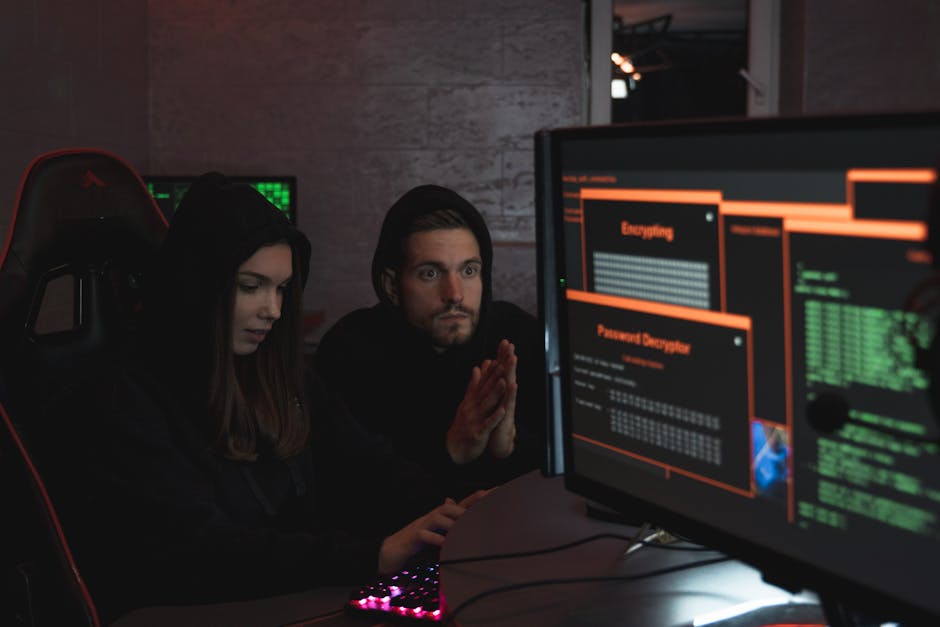
Phishing attacks are perhaps the most prevalent and insidious forms of social engineering, preying on human trust, curiosity, or fear. A phishing email, text message, or website is meticulously crafted to impersonate a legitimate entity – your bank, a popular online service, a government agency, or even a colleague. The goal is always the same: to trick you into divulging sensitive information, such as your login credentials, credit card numbers, or personal identifying information, or to coerce you into clicking a malicious link or downloading an infected attachment. Your VPN offers absolutely no protection against phishing. It doesn't analyze the content of your emails for malicious links, nor does it warn you if you're about to enter your Netflix password into a fake Netflix login page. If you receive a convincing email purporting to be from your bank, asking you to "verify your account details" by clicking a link, and you fall for it, your credentials are compromised regardless of whether your VPN is active. The VPN simply encrypts the traffic between your browser and the fake bank website; it doesn't validate the legitimacy of the website itself. This is a critical distinction that many users overlook, mistakenly believing that their VPN acts as a universal shield against all online threats.
The consequences of falling for a phishing scam can be devastating. Stolen login credentials can lead to account takeovers, identity theft, and financial fraud. Malicious attachments can unleash ransomware, locking your files until you pay a ransom, or install spyware that silently monitors your activities. I've seen cases where even tech-savvy individuals, momentarily distracted or under pressure, have clicked a link they shouldn't have. The sophistication of phishing attacks continues to evolve, with highly targeted "spear phishing" campaigns specifically tailored to individuals or organizations, making them even harder to detect. These attacks often leverage publicly available information about you to craft highly personalized and believable messages. For example, an attacker might know your company, your role, and even recent projects you've worked on, using this context to create a seemingly legitimate email from a "colleague" or "partner." The human brain is the ultimate security vulnerability, and no amount of network encryption can defend against psychological manipulation. Therefore, continuous education about phishing tactics, a healthy dose of skepticism towards unsolicited communications, and multi-factor authentication (MFA) are far more effective defenses than any VPN could ever hope to be in this particular battleground.
"The strongest VPN cannot protect a user who willingly hands over their keys to a digital con artist. Human vigilance remains the first and last line of defense." - Mark Johnson, Cyber Education Specialist.
The Everyday Pitfalls User Error and Carelessness
Beyond the realm of sophisticated attacks, simple user error and carelessness represent a significant, often overlooked, pathway to exposure. These aren't grand breaches but rather a thousand small cuts that slowly erode your privacy and security. For instance, connecting to an unsecured public Wi-Fi network *before* activating your VPN leaves a window of vulnerability during which your initial network requests and device identifiers can be exposed. Many users connect to the Wi-Fi, wait for their device to fully establish an internet connection, and *then* remember to turn on their VPN. That brief interval, however, can be enough for a savvy attacker on the same network to capture valuable metadata or even launch an attack. Similarly, using weak, reused passwords across multiple services is an open invitation for credential stuffing attacks. If one service you use suffers a data breach, and you've reused your password elsewhere, attackers can easily gain access to your other accounts, regardless of your VPN status. The VPN protects your traffic, but it doesn't magically generate strong, unique passwords for you.
Another common mistake is inadvertently revealing personal information through your online activities, even while using a VPN. Perhaps you post a photo on social media that includes identifiable landmarks from your actual location, or you mention details in a forum post that could be linked back to your real identity. Even seemingly innocuous details, when combined with other publicly available information, can be used to de-anonymize you. I've seen people use a VPN to access geo-restricted content, only to then log into their personal, non-anonymous social media accounts or email, effectively connecting their real identity to their VPN-masked activities. The VPN hides your IP, but it doesn't prevent you from voluntarily disclosing information. This underscores the critical point: a VPN is a tool for network privacy, but it doesn't absolve you of the responsibility for thoughtful, secure online behavior. It's about cultivating a privacy-first mindset that extends beyond merely clicking the "connect" button on your VPN client. This holistic approach, combining technological safeguards with personal vigilance, is the only way to truly minimize your digital footprint and protect yourself from the myriad ways you can still be exposed online.