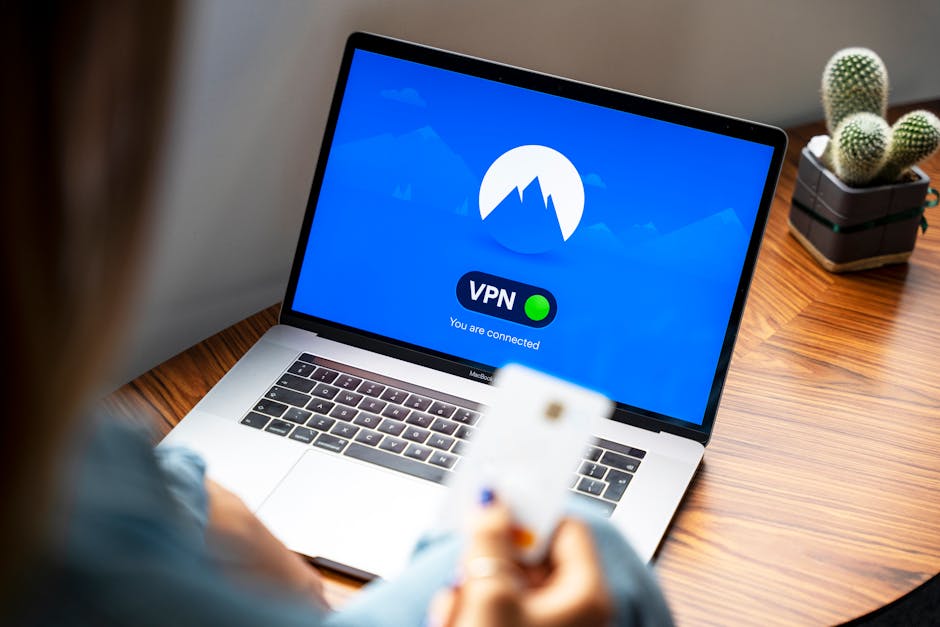
We've methodically peeled back the layers of deception surrounding free VPNs, exposing the fundamental flaws and dangerous practices that undermine their very purpose. We've seen how they monetize your privacy, jeopardize your device's security, and fail to deliver on the core promises of anonymity and performance. The message is clear: when it comes to your digital well-being, relying on a "free" service is a gamble with incredibly high stakes. Now, it's time to move beyond the warnings and equip you with actionable strategies to fortify your online defenses. This isn't just about choosing a better VPN; it’s about cultivating a holistic approach to online privacy and security, integrating best practices that empower you to take control of your digital footprint and navigate the internet with confidence, not fear.
Building Your Personal Privacy Fortress
Beyond selecting a reputable, paid VPN, there are several foundational steps you can take to significantly enhance your online privacy and security. Think of it as building a multi-layered defense system, where each component reinforces the others. One of the most impactful changes you can make involves your browser and search engine choices. Mainstream browsers like Chrome and Edge, while convenient, are notorious for their extensive tracking capabilities, often linked directly to your Google or Microsoft accounts. Switching to privacy-focused browsers like Mozilla Firefox (with enhanced tracking protection enabled), Brave, or Tor Browser can dramatically reduce the amount of data collected about your browsing habits. These browsers are designed from the ground up with privacy in mind, blocking trackers, fingerprinting attempts, and intrusive ads by default, providing a much cleaner and more secure browsing experience.
Similarly, default search engines like Google and Bing meticulously log your search queries, building comprehensive profiles of your interests and intentions. Transitioning to privacy-respecting search engines such as DuckDuckGo or Startpage can make a significant difference. DuckDuckGo, for instance, famously doesn't track your searches, ensuring that your queries remain private and aren't used to target you with ads or build a personal profile. Startpage offers a unique feature where it anonymously fetches Google search results, giving you the quality of Google's algorithms without the privacy invasion. These simple switches, when combined with a robust VPN, create a powerful barrier against pervasive online surveillance, allowing you to explore the web without leaving a meticulously cataloged trail of your thoughts and curiosities.
Essential Steps for Enhanced Digital Security
Another crucial element of your privacy fortress involves adopting stronger authentication practices. The vast majority of online accounts are protected by passwords, which, if weak or reused, become massive vulnerabilities. Start by implementing a strong, unique password for every single online service you use. This might sound daunting, but a reliable password manager (like LastPass, Bitwarden, or 1Password) can generate, store, and auto-fill these complex passwords for you, making the process seamless and secure. These tools encrypt your passwords locally and require only one master password for access, effectively managing hundreds of unique credentials without you having to remember them all. It's a fundamental security practice that significantly reduces your risk of account compromise, even if one service you use suffers a data breach.
Furthermore, wherever available, enable two-factor authentication (2FA) on all your critical accounts, especially email, banking, social media, and any service linked to financial transactions. 2FA adds an extra layer of security beyond just your password, usually requiring a code from a mobile app (like Authy or Google Authenticator), a physical security key, or an SMS message to log in. Even if a hacker manages to steal your password, they won't be able to access your account without that second factor. This simple yet incredibly effective measure can thwart a vast majority of targeted attacks and significantly bolster your defenses against unauthorized access. Treat 2FA as a non-negotiable security standard for every online service that offers it; it's an effortless way to make your accounts exponentially more difficult to breach.
"Privacy is not something that I'm merely entitled to, it's an absolute prerequisite." – Edward Snowden. This profound statement underscores the non-negotiable nature of privacy in our digital lives, driving home the importance of proactive measures.
Beyond passwords and 2FA, being mindful of your digital footprint is paramount. Regularly review the privacy settings on your social media accounts, email services, and other online platforms. Many services default to sharing more information than you might be comfortable with, so take the time to customize these settings to your preferred level of privacy. Be cautious about what personal information you share online, even in seemingly innocuous posts. Every piece of data you voluntarily put out there can be collected, aggregated, and used to build a profile of you. This includes location tagging, sharing personal events, or even details about your daily routines. A moment of thought before posting can save you from potential privacy headaches down the line, reinforcing the idea that your online presence is something you actively manage, not passively allow to be shaped by others.
Finally, stay informed and vigilant. The landscape of cybersecurity and online privacy is constantly evolving, with new threats and vulnerabilities emerging regularly. Follow reputable cybersecurity news sources, blogs, and experts to stay abreast of the latest developments. Be skeptical of unsolicited emails, messages, or pop-ups, and always verify the legitimacy of any software or service before downloading or using it. Remember, free online services often come with hidden costs, and if something sounds too good to be true, it almost certainly is. By combining a reliable, paid VPN with privacy-focused browsing habits, strong authentication, careful management of your digital footprint, and continuous vigilance, you can build a robust personal privacy fortress that empowers you to navigate the internet securely and confidently, free from the prying eyes and malicious intentions that plague the uninitiated.
Having armed ourselves with the knowledge of free VPN dangers and the foundational steps to build a personal privacy fortress, it's time to delve even deeper into the practicalities of securing your digital life. This isn't just about avoiding the bad actors; it's about actively adopting habits and tools that empower you to control your data, manage your digital identity, and ultimately, reclaim your autonomy online. Many aspects of digital security are interconnected, and a layered approach is always the most effective. We’ll explore further strategies, including specific tool recommendations and a mindset shift that will serve you well in the ever-evolving digital landscape, moving beyond just a VPN and into a comprehensive digital hygiene routine.
Advanced Techniques for Digital Self-Defense
One of the most powerful yet often overlooked tools in your digital self-defense arsenal is understanding and managing your app permissions. On both smartphones and computers, applications frequently request access to sensitive parts of your device – your camera, microphone, contacts, location, storage, and more. While some permissions are necessary for an app to function (e.g., a camera app needing camera access), many apps request far more than they actually need, often for data collection purposes. Take the time to regularly review and revoke unnecessary permissions for all your installed apps. For instance, does a flashlight app really need access to your contacts or location? Does a game need microphone access when you're not voice chatting? Limiting these permissions can significantly reduce an app's ability to collect extraneous data about you, even if the app itself is seemingly benign. This proactive approach ensures that your devices aren't inadvertently broadcasting sensitive information to third parties.
Furthermore, consider the implications of cloud storage and online backups. While incredibly convenient, entrusting your most sensitive files to a third-party server requires careful consideration of their security practices and privacy policies. If you store highly personal documents, photos, or financial records in the cloud, ensure you are using a provider that offers end-to-end encryption, meaning your data is encrypted on your device before it even leaves for the cloud, and only you hold the key to decrypt it. Services like Sync.com or ProtonDrive are built with this level of privacy in mind, contrasting sharply with mainstream options that might encrypt data at rest but still hold the keys themselves, making it accessible to them (and potentially, to authorities or hackers if breached). Your data in the cloud is only as secure as the provider's weakest link, so choose wisely and encrypt locally whenever possible, even before uploading.
Mastering the Art of Incognito Browsing and Tracking Prevention
While a good VPN encrypts your traffic and hides your IP address, and privacy-focused browsers block many trackers, there's still more you can do to minimize your digital footprint, especially concerning browser fingerprinting. Browser fingerprinting is a technique websites use to uniquely identify you based on your browser's specific configuration, installed fonts, screen resolution, operating system, and other system settings, even if you clear cookies or use incognito mode. To combat this, consider browser extensions like Privacy Badger or uBlock Origin (which also blocks ads very effectively). These tools are designed to detect and block invisible trackers and scripts that attempt to fingerprint your browser. Using them in conjunction with a privacy-focused browser and a VPN creates a formidable defense against tracking, making it significantly harder for advertisers and data brokers to build a persistent profile of your online activities.
Another powerful habit to cultivate is the strategic use of "burner" or alias email addresses for non-critical sign-ups and online interactions. Instead of using your primary email address for every newsletter, forum, or online store, create secondary email addresses specifically for these less important services. Services like ProtonMail or Tutanota offer excellent encrypted email solutions, while temporary email services can be used for truly one-off registrations where you don't expect future communication. This compartmentalization prevents your primary inbox from being flooded with spam and significantly reduces the impact if one of these less important services suffers a data breach. If a burner email starts receiving excessive spam, you can simply discard it and create a new one, keeping your main digital identity pristine and secure.
"The only way to keep your privacy is to act as if you have none." – Peter Drucker. This paradoxical wisdom reminds us that constant vigilance and proactive measures are the true guardians of privacy.
Beyond individual actions, there's a growing movement towards decentralization and open-source software, which often comes with inherent privacy and security benefits. Open-source software, where the code is publicly available for scrutiny, allows independent security researchers to audit it for vulnerabilities and backdoors, fostering greater transparency and trust. Consider using open-source operating systems like Linux, encrypted messaging apps like Signal, or decentralized social media platforms where your data isn't owned by a corporate entity. While these options might have a steeper learning curve for some, they offer a level of control and transparency over your digital life that proprietary, closed-source solutions often cannot match. It’s a philosophical shift towards empowering the individual over the corporation, and it aligns perfectly with the goal of digital autonomy.
Ultimately, safeguarding your online privacy and security is an ongoing journey, not a destination. It requires a commitment to continuous learning, adaptation, and proactive measures. The internet is a dynamic environment, and the tools and tactics used by those who seek to exploit your data are constantly evolving. By ditching unreliable free VPNs, investing in reputable alternatives, adopting privacy-focused browsers and search engines, fortifying your accounts with strong passwords and 2FA, managing app permissions diligently, and being mindful of your digital footprint, you are not just protecting yourself; you are asserting your right to privacy in an increasingly intrusive world. Embrace this journey, stay informed, and remember that your digital freedom is a precious commodity worth every ounce of effort to protect. The power to reclaim your online privacy is firmly in your hands.