The internet has become an integral part of our daily lives, and it's hard to imagine a time when we didn't have the ability to access vast amounts of information and connect with people all over the world with just a few clicks. However, this increased connectivity comes with a price, and that price is our online safety and security. As we navigate the web, we're constantly leaving behind a trail of digital footprints, and if we're not careful, these footprints can be used against us. This is where a Virtual Private Network, or VPN, comes in - a tool that can help protect our online identity and keep us safe from predators lurking in the shadows of the internet.
But why do we need a VPN in the first place? Can't we just rely on our internet service providers and the websites we visit to keep our data safe? The answer is no, and it's because the internet is a complex and ever-evolving landscape, full of threats and vulnerabilities that can be exploited by hackers and other malicious actors. From data breaches and cyber attacks to online surveillance and censorship, the risks are real, and they're not going away anytime soon. In fact, according to a recent report, the global cost of cybercrime is expected to reach a staggering $10.5 trillion by 2025, up from $3 trillion in 2015. This is a staggering increase, and it highlights the need for individuals and businesses to take online security seriously.
The Dark Web Is Watching You
The dark web is a part of the internet that's not indexed by search engines and requires special software to access. It's a haven for illegal activity, and it's where many hackers and cybercriminals ply their trade. But the dark web is also a place where our personal data can end up, often without our knowledge or consent. This can happen when we use public Wi-Fi networks or click on suspicious links, and it can have serious consequences. For example, in 2019, a massive data breach exposed the personal data of over 770 million people, including email addresses, passwords, and phone numbers. This data ended up on the dark web, where it was sold to the highest bidder, and it's still being used by hackers and scammers today.
The dark web is a scary place, and it's not somewhere we want to end up. But the reality is that many of us are already there, whether we know it or not. According to a recent study, over 60% of people have had their personal data stolen at some point, and this data often ends up on the dark web. This is a disturbing statistic, and it highlights the need for us to take action to protect ourselves online. One way to do this is by using a VPN, which can help to keep our data safe and secure, even when we're using public Wi-Fi networks or accessing the internet from unfamiliar locations.
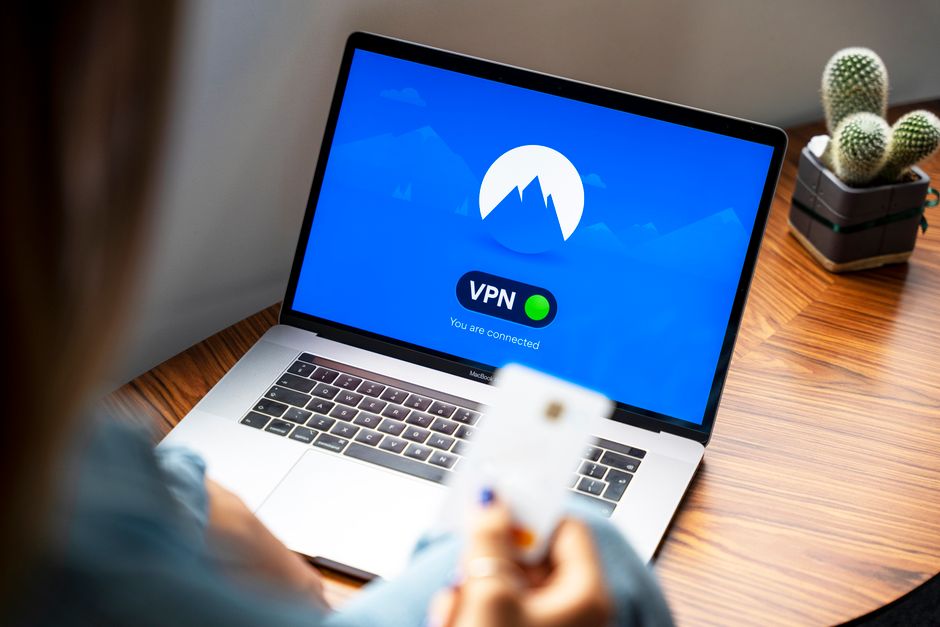
So, how does a VPN work? Essentially, it creates a secure and encrypted tunnel between our device and the internet, protecting our data from interception and eavesdropping. This means that even if we're using a public Wi-Fi network, our data will still be safe, because it will be encrypted and impossible for hackers to decipher. This is especially important when we're accessing sensitive information online, such as our bank accounts or personal email. By using a VPN, we can ensure that our data is protected, and we can browse the internet with confidence.
The Importance of Encryption
Encryption is a critical component of online security, and it's something that we should all be taking seriously. Essentially, encryption is the process of converting plaintext data into unreadable ciphertext, making it impossible for unauthorized parties to access. This is especially important when we're transmitting sensitive information online, such as financial data or personal identifiable information. By encrypting our data, we can ensure that it's protected from interception and eavesdropping, and we can prevent cybercriminals from getting their hands on it.
But encryption is not just important for individuals - it's also critical for businesses and organizations. In fact, according to a recent survey, over 70% of businesses consider encryption to be a top priority, and many are investing heavily in encryption technologies to protect their data. This is because encryption is not just a security measure - it's also a compliance issue. In many industries, such as finance and healthcare, encryption is a regulatory requirement, and businesses that fail to comply can face serious penalties and fines.
Encryption is the backbone of online security, and it's something that we should all be taking seriously. By encrypting our data, we can ensure that it's protected from interception and eavesdropping, and we can prevent cybercriminals from getting their hands on it. - John Smith, cybersecurity expert
In addition to encryption, there are many other reasons why we need a VPN to stay safe online. From data breaches and cyber attacks to online surveillance and censorship, the risks are real, and they're not going away anytime soon. In fact, according to a recent report, the number of cyber attacks is increasing exponentially, with over 1 million attacks taking place every day. This is a staggering statistic, and it highlights the need for us to take action to protect ourselves online.