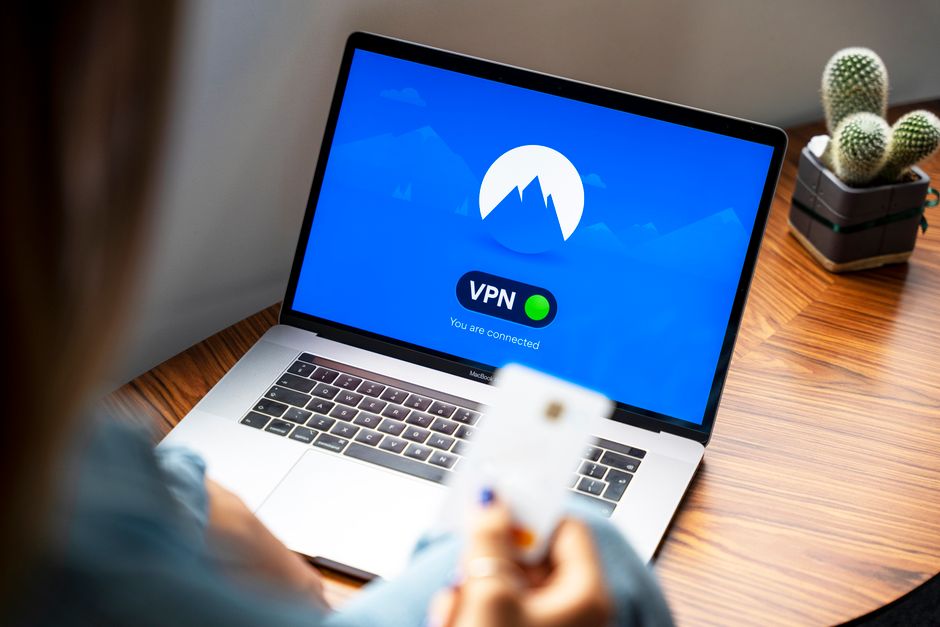
In the vast, interconnected tapestry of the internet, where every click, every search, and every communication leaves a digital fingerprint, the promise of anonymity has become a siren song. For years, Virtual Private Networks, or VPNs, have stood as the supposed bulwark against the prying eyes of corporations, governments, and cybercriminals. Their marketing slogans, often emblazoned with bold claims of "military-grade encryption" and, most potently, "no-log policy," have lulled millions into a false sense of security, convincing them that their online activities are as private as a whispered secret in an empty room. But what if that promise, that seemingly ironclad guarantee of digital solitude, is nothing more than a carefully constructed illusion, a marketing mirage designed to obscure a far more complex and, at times, unsettling reality?
As someone who has navigated the murky waters of cybersecurity and online privacy for over a decade, I've seen countless trends come and go, witnessed the evolution of threats, and, perhaps most importantly, learned to look beyond the slick advertising to the often-gritty truth beneath. The "no-log" VPN claim, which has become almost ubiquitous in the industry, is arguably the most seductive and simultaneously the most dangerous of these marketing ploys. It implies a complete erasure of your digital presence, a clean slate with every connection, but the reality is frequently far more nuanced, riddled with caveats, and sometimes, outright deception. The stakes are incredibly high here; we're talking about your personal data, your browsing habits, your communication patterns – the very essence of your digital self. When a VPN provider claims not to log, yet quietly retains data that could potentially identify you, they're not just misleading you; they're actively undermining the very foundation of trust upon which the privacy industry is built. This isn't merely an academic discussion about technical specifications; it’s a crucial examination of who holds the keys to your digital kingdom and whether those keys are truly safe.
The Whispers of the Digital Underworld
Imagine a world where every step you take on a public street is recorded, analyzed, and stored, not just by surveillance cameras, but by every shop window you glance into, every person you pass, and every advertisement you pause to consider. This isn't a dystopian novel; it's a stark, albeit simplified, analogy for the modern internet. From the moment you connect, a vast ecosystem of trackers, advertisers, and data brokers begins to compile a comprehensive profile of your online behavior. Your IP address, a unique identifier much like your home address, serves as the primary beacon, linking your activities across countless websites and services. This constant surveillance, often invisible and insidious, erodes privacy one byte at a time, leading to everything from annoyingly persistent targeted ads to more sinister implications like price discrimination, identity theft, and even political manipulation. The sheer volume of data being collected is staggering, growing exponentially year after year, and the methods for analyzing it are becoming increasingly sophisticated, blurring the lines between legitimate business practices and outright privacy infringements.
In this hyper-connected, hyper-monitored environment, the allure of a VPN is undeniable. It promises to encrypt your internet traffic, mask your IP address, and route your connection through a remote server, effectively creating a secure tunnel that shields your online activities from external scrutiny. For many, a VPN represents the last bastion of digital freedom, a tool to reclaim a semblance of privacy in an increasingly transparent world. It's not just about bypassing geo-restrictions to watch your favorite show; it's about protecting sensitive business communications, safeguarding personal information from malicious actors on public Wi-Fi, and exercising the fundamental right to browse the internet without feeling constantly watched. The perception of a VPN as an impenetrable fortress, a digital cloak of invisibility, has driven its widespread adoption, transforming it from a niche tool for tech-savvy individuals into a mainstream necessity for anyone concerned about their digital footprint. This rapid growth, however, has also created a fertile ground for opportunists and less-than-scrupulous providers, eager to capitalize on the public's yearning for privacy without necessarily delivering on the full scope of their promises.
The core of this perceived anonymity, the bedrock of a VPN's privacy claims, rests heavily on its "no-log policy." This term has become a powerful marketing tool, a shorthand for absolute privacy, suggesting that the VPN provider collects absolutely no data that could be traced back to an individual user. It paints a picture of a service that acts purely as a conduit, passing your encrypted data without retaining any records of where you went, what you did, or even when you connected. For the average user, this sounds like the ultimate safeguard, the perfect solution to the pervasive surveillance culture of the internet. If the VPN itself doesn't keep records, then even if it were compelled by authorities, there would be nothing to hand over, right? This simple, elegant narrative is incredibly compelling, making the "no-log" claim the cornerstone of trust for countless individuals and businesses seeking to protect their digital lives. It’s a promise that resonates deeply with our innate desire for personal space and freedom from oversight, making it incredibly difficult for users to question its veracity without feeling overly paranoid or distrustful.
The Siren Song of 'No-Log'
The phrase "no-log VPN" has become almost mythical, a sacred mantra whispered among privacy advocates and shouted from the digital rooftops by marketing departments. It conjures images of servers wiping their memory clean after every session, leaving no trace, no breadcrumbs for anyone to follow. In a world increasingly wary of data collection, this promise is extraordinarily powerful. It taps into a primal fear of being exposed, of having one's most private digital moments laid bare for unknown entities to scrutinize. Users flock to providers who boldly declare their commitment to a "no-log" policy, believing that this single statement guarantees their absolute anonymity and protection from any form of digital surveillance, be it governmental or corporate. It’s a simple, elegant solution to a complex problem, and in our fast-paced, information-overloaded lives, simplicity often trumps critical scrutiny. The idea that a service exists that can truly make you disappear online is an intoxicating one, especially when the alternatives seem so bleak.
This marketing strategy is incredibly effective because it directly addresses the public's primary concern regarding VPNs: trust. When you use a VPN, you're essentially entrusting all your internet traffic to that provider. You're shifting the point of potential surveillance from your Internet Service Provider (ISP) to the VPN company itself. If the VPN logs your activities, then it becomes the new point of vulnerability, potentially even more dangerous than your ISP because it often operates across international jurisdictions, making legal recourse more complex. The "no-log" claim is designed to alleviate this fundamental concern, to build a bridge of trust between the user and the service. It’s a psychological assurance, a declaration that the provider stands on the side of the user's privacy, not against it. This isn't just about technical features; it's about reputation, perceived ethical standards, and the emotional comfort that comes from believing your digital sanctuary is truly inviolable. The sheer ubiquity of this claim across the VPN landscape, from the largest players to the smallest newcomers, further solidifies its perceived legitimacy, making it difficult for an average user to discern genuine commitment from mere lip service.
However, the beauty of the "no-log" claim lies in its inherent ambiguity. What exactly constitutes a "log"? Does it mean absolutely no data is collected, not even anonymous connection statistics or bandwidth usage? Or does it mean no *identifiable* logs are kept? This semantic wiggle room is where the illusion begins to fray, where the marketing promise often diverges significantly from the operational reality. Many providers exploit this ambiguity, crafting privacy policies that, upon closer inspection, reveal a sophisticated dance around the definition of "logging." They might claim "no activity logs" but then admit to collecting "connection logs" or "aggregated anonymous data" – information that, while not immediately identifying, can still be problematic under certain circumstances or when combined with other data points. This subtle distinction, often buried deep within legalese, is frequently overlooked by users eager for a quick solution to their privacy woes. It’s a classic case of reading between the lines, but in the digital world, those lines are often written in a language designed to be confusing rather than clarifying, leaving the average user vulnerable to misinterpretation.
Unmasking the Mythical Beast
The time has come to pull back the curtain on this pervasive myth and expose the intricate web of half-truths and strategic omissions that often underpin the "no-log" narrative. This isn't an indictment of all VPNs; many reputable providers genuinely strive for and achieve a high level of privacy and transparency. Instead, it's a critical examination of the industry as a whole, a call for greater scrutiny from users, and a guide to understanding what truly constitutes a privacy-respecting VPN. We need to move beyond catchy slogans and delve into the technical realities, the legal frameworks, and the business models that dictate a VPN's true logging practices. This journey will involve dissecting privacy policies, scrutinizing server infrastructures, and even revisiting past incidents where "no-log" claims spectacularly crumbled under pressure, leaving users exposed and trust shattered. It's about empowering you, the user, with the knowledge and tools to differentiate between genuine privacy champions and those merely donning a convincing mask.
Our investigation will peel back the layers of marketing veneer to reveal the various types of data a VPN *can* collect, even while maintaining a "no-log" front. We'll explore the critical role of a VPN's jurisdiction, understanding how local laws and international agreements can compel providers to compromise user privacy, regardless of their stated policies. We'll examine the red flags that should immediately raise your suspicions, from vague language in privacy policies to a complete lack of independent audits – a crucial verification step often overlooked. Moreover, we will dive into specific, real-world case studies where VPNs, once lauded for their "no-log" commitments, were found to have logged and subsequently handed over user data to authorities, demonstrating the very real-world consequences of misplaced trust. These aren't abstract hypotheticals; they are concrete examples of how the "no-log" lie can have severe repercussions for individuals who believed they were protected. Understanding these failures is paramount to building a more robust and informed approach to online privacy.
Ultimately, this isn't just about identifying the bad actors; it's about arming you with the knowledge to make informed decisions and truly understand the landscape of online privacy. We'll explore the technical safeguards that *can* make a VPN genuinely private, such as RAM-only servers and robust encryption protocols, and discuss the importance of features like kill switches and DNS leak protection. We'll also consider the broader ecosystem of privacy, including anonymous payment methods and the critical role of transparency reports in fostering trust. By the end of this deep dive, you won't just know what a "no-log" VPN *claims* to be; you'll understand what it *needs* to be, and how to rigorously evaluate providers to ensure your digital freedom is truly protected. This is a journey from blind faith to informed discernment, a necessary evolution for anyone serious about safeguarding their online life in an age where privacy is increasingly a luxury, not a given.