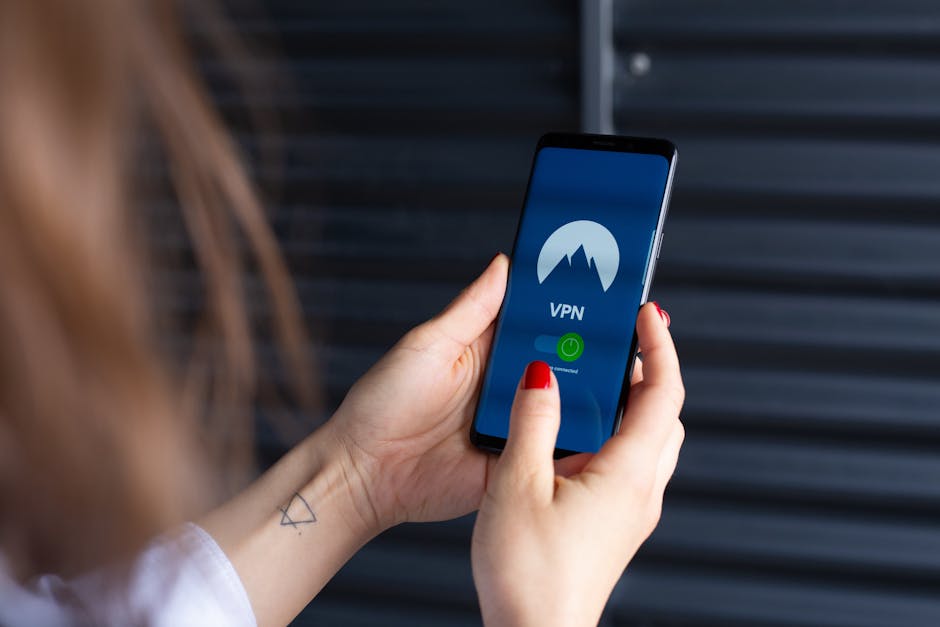
Given the rather bleak landscape we've just traversed, where 'private browsing' is a paper-thin veil and data collectors lurk around every digital corner, it’s natural to feel a sense of despair or powerlessness. But here’s where the narrative shifts from grim reality to empowered action. While the internet’s default state might be one of pervasive surveillance, there are powerful tools at our disposal that actually *do* guard your data, truly encrypt your traffic, and effectively mask your digital identity. The most prominent and effective of these tools is the Virtual Private Network, or VPN. Think of a VPN as your personal, encrypted tunnel through the internet. Instead of sending your data directly from your device to a website, where it’s exposed to your ISP and other onlookers, a VPN first routes all your internet traffic through one of its secure servers. This server then acts as an intermediary, sending your requests to the internet on your behalf. The magic happens in two key ways: first, all the data traveling between your device and the VPN server is strongly encrypted, making it unreadable to anyone who might intercept it (like your ISP). Second, when your traffic exits the VPN server, it appears to originate from the VPN server’s IP address, not your own. This effectively masks your real IP address, making it incredibly difficult for websites, advertisers, and other trackers to identify you or link your activities back to your actual location. It’s a fundamental shift from hoping for privacy to actively creating it, and it's a difference that truly matters.
However, not all VPNs are created equal, and choosing the right one is paramount. Just as there are snake oil salesmen in every industry, the VPN market is unfortunately rife with providers who make grand promises but deliver shoddy security, slow speeds, or, worst of all, compromise your privacy by logging and selling your data. This is why a discerning eye and a deep understanding of what constitutes a truly trustworthy VPN are absolutely essential. A good VPN doesn't just encrypt your data; it adheres to a strict no-logs policy, meaning it doesn't record your online activities, connection timestamps, or IP addresses. It employs robust encryption standards and secure tunneling protocols. It operates from a privacy-friendly jurisdiction, away from the watchful eyes of surveillance alliances. It includes critical features like a kill switch, which automatically disconnects your internet if the VPN connection drops, preventing accidental data leaks. It offers DNS leak protection, ensuring your DNS requests (which translate website names into IP addresses) don't bypass the VPN tunnel. In essence, a reliable VPN isn't just a service; it's a commitment to your digital freedom and security, a robust shield against the relentless data collection efforts we've discussed. It's the difference between merely wishing for privacy and actively securing it, between a false sense of security and genuine peace of mind.
The Anatomy of a Trustworthy VPN Building Your Digital Fortress
To truly understand how a VPN can guard your data, we need to delve a bit deeper into its core components and the critical features that differentiate the privacy champions from the pretenders. At its heart, a VPN works by establishing an encrypted connection, often called a "tunnel," between your device and a VPN server. When you connect to the internet through a VPN, all your data travels through this secure tunnel. This encryption is the first and arguably most crucial layer of defense. Most reputable VPNs use AES-256 encryption, often referred to as "military-grade" encryption, which is virtually uncrackable with current technology. Imagine sending a letter through a transparent tube versus sending it through an opaque, steel pipe that's been welded shut and locked with an unbreakable cipher. Your ISP, government agencies, or anyone else monitoring your network traffic will only see scrambled, unreadable data passing through their systems. They can't decipher the contents of your communications, nor can they see the specific websites you're visiting, only that you're connected to a VPN server. This alone is a monumental step up from the unprotected, wide-open browsing experience that 'private browsing' mode leaves you vulnerable to. It transforms your digital communication from an open postcard into a sealed, impenetrable message, safeguarding the content of your online interactions from prying eyes.
Beyond encryption, the choice of VPN protocol plays a significant role in both security and performance. Historically, protocols like PPTP were common but are now considered insecure. L2TP/IPsec offers better security but can be slower. The industry standard for robust security has long been OpenVPN, an open-source protocol known for its strong encryption, versatility, and auditability. Its open-source nature means experts worldwide can scrutinize its code for vulnerabilities, fostering a higher degree of trust. More recently, WireGuard has emerged as a game-changer, offering significantly faster speeds and a much leaner codebase while maintaining excellent security. Its simplicity makes it easier to audit and potentially less prone to hidden vulnerabilities. A premium VPN will offer a selection of these secure protocols, allowing users to choose the best balance of speed and security for their needs. Furthermore, a crucial element is the VPN server network itself. A provider with a vast global network of servers offers more options for bypassing geo-restrictions, finding faster connections, and enhancing anonymity by allowing you to choose an IP address from a different country. The sheer scale and distribution of these servers contribute significantly to the overall utility and effectiveness of the VPN, enabling users to truly navigate the internet without geographical or surveillance constraints. It’s about having options and flexibility, all while maintaining an ironclad layer of protection.
The Non-Negotiables No-Logs Policy, Kill Switches, and Privacy Jurisdictions
When evaluating VPNs, certain features are non-negotiable for anyone serious about privacy. Chief among these is a stringent no-logs policy. A VPN can encrypt your traffic and hide your IP address, but if the provider itself is logging your online activities, connection times, bandwidth usage, or actual IP address, then they become a single point of failure. If compelled by authorities or compromised by hackers, those logs could expose your entire digital life. Therefore, a truly privacy-focused VPN will explicitly state that it keeps no logs of user activity and, ideally, will have had its no-logs policy independently audited by a reputable third-party security firm. These audits provide verifiable proof that the VPN provider lives up to its privacy claims, offering a layer of accountability that self-proclaimed promises simply cannot match. Always be wary of "free" VPNs, as their business model often relies on collecting and selling user data, turning you into the product rather than the customer. A transparent, audited no-logs policy is the bedrock upon which genuine VPN privacy is built; without it, all other security features are merely window dressing, offering a false sense of security.
"A VPN without an independently audited no-logs policy is like a bank vault with a transparent door. You might think your valuables are secure, but everyone can see what's inside. Transparency and verified claims are paramount." - Cybersecurity Journalist, Alex Thorne.
Another absolutely critical feature is the kill switch. Imagine your VPN connection suddenly drops due to a network glitch or server issue. Without a kill switch, your device would immediately revert to its unprotected, direct internet connection, momentarily exposing your real IP address and unencrypted traffic to your ISP and any websites you're currently visiting. A kill switch acts as a failsafe, automatically cutting off your internet access the moment the VPN connection is lost, thereby preventing any accidental data leaks. This is especially important for torrenting, accessing sensitive information, or for those living under repressive regimes where exposure carries significant risks. Coupled with the kill switch is DNS leak protection. DNS (Domain Name System) requests translate human-readable website names (like google.com) into numerical IP addresses. If your VPN isn't configured correctly, these DNS requests can sometimes bypass the encrypted tunnel and be handled by your ISP's DNS servers, revealing the websites you're trying to access. A good VPN ensures all DNS requests are routed securely through its own encrypted servers, preventing this common form of data leakage. These features might seem technical, but they are vital safeguards that transform a good VPN into an indispensable privacy tool, ensuring that even in moments of instability, your digital fortress remains unbreached.
Finally, the jurisdiction of the VPN provider matters immensely. Different countries have different laws regarding data retention, surveillance, and government access to company data. Ideally, a VPN provider should be based in a privacy-friendly country with strong data protection laws and no mandatory data retention requirements. Countries outside of the "Five Eyes," "Nine Eyes," and "Fourteen Eyes" intelligence-sharing alliances are generally preferred, as these alliances have agreements to share surveillance data. For instance, countries like Panama, the British Virgin Islands, and Switzerland are often cited as favorable jurisdictions due to their robust privacy laws and legal independence. A VPN based in a country with weak privacy laws or one that is part of a major intelligence alliance might be compelled by legal order to log user data or hand over existing logs, even if they claim a no-logs policy. While a truly audited no-logs VPN might have nothing to hand over, the legal environment still influences the risk profile. Understanding the interplay between a VPN's technical features, its operational policies, and its legal jurisdiction is crucial for making an informed decision about which provider can genuinely offer the robust privacy and security you need in a world where your 'private' browsing is anything but.