The Phantom Thief Your Identity's Past Life
One of the most immediate and financially devastating ways your old data can be used against you is through identity theft and subsequent financial ruin. This isn't just about someone getting your credit card number; it's about a complete usurpation of your digital and often real-world persona. Think about every account you’ve ever opened, every loan application you’ve filled out, every online purchase you’ve made. Each of these interactions requires a trove of personal identifiers: your full name, date of birth, social security number, previous addresses, phone numbers, and even answers to security questions like your mother's maiden name or the street you grew up on. These pieces of information, often scattered across multiple platforms and databases – many of which have been compromised in data breaches over the years – become the building blocks for a skilled identity thief. They don't need to hack you directly today; they just need to find the data that was leaked yesterday, five years ago, or even a decade ago.
The insidious nature of this threat lies in its longevity. A data breach from 2015, perhaps involving a retail chain you frequented, might have exposed your name, address, email, and purchasing history. Fast forward to today, and if that information is combined with a more recent breach from a financial institution that exposed your partial Social Security number or date of birth, a sophisticated attacker has nearly everything they need. They can open new lines of credit in your name, file fraudulent tax returns, apply for government benefits, or even obtain medical services. The impact is staggering, often leading to years of financial clean-up, ruined credit scores, and immense emotional distress. The Federal Trade Commission (FTC) consistently reports millions of identity theft cases annually, with imposters using old, forgotten data to wreak havoc. It's a constant battle, and the older the data, the less likely you are to remember where it came from, making it harder to trace the source of the compromise.
Consider the classic example of security questions. Many online services still rely on knowledge-based authentication (KBA), asking you "What was your first pet's name?" or "What high school did you attend?" While seemingly innocuous, these answers are often easily discoverable from old social media posts, forum discussions, or even public records. If you mentioned your beloved childhood dog "Fido" in a Facebook post from 2010, and that post is still publicly accessible or was scraped by data brokers, an attacker can use that information to reset your password on an entirely different service. This isn't theoretical; it's a common tactic. I’ve seen countless cases where individuals were locked out of their accounts because a hacker, using publicly available old data, successfully answered security questions that were supposed to protect them. The digital footprint you leave behind is a treasure map for those seeking to unlock your digital vault, and every forgotten detail is a potential key.
Whispers from the Archives Crafting Your Perfect Phishing Trap
Beyond direct identity theft, your old data provides an incredibly fertile ground for hyper-targeted phishing and social engineering attacks. Gone are the days of generic "Nigerian Prince" scams that are easily spotted by anyone with a modicum of digital literacy. Today's attackers are far more sophisticated, leveraging your digital ghost to craft highly personalized, believable, and ultimately devastating lures. They don't just know your name; they know your interests, your past employers, your family members, your travel history, and even your political affiliations, all gleaned from years of your online activity, much of it long forgotten by you.
Imagine receiving an email that appears to be from an old university colleague, referencing a specific project you worked on together a decade ago, or perhaps an email from a seemingly legitimate charity you once donated to, mentioning a specific campaign from years past. These details, pulled from an old LinkedIn profile, a university alumni forum, or a leaked donor list, lend an air of authenticity that can disarm even the most cautious individual. The email might then contain a malicious link or an attachment designed to install malware, or it might prompt you to reveal sensitive information under the guise of an urgent update. The success rate of these spear-phishing attacks is dramatically higher than their generic counterparts precisely because they exploit your personal history, tapping into your trust and familiarity with past connections or interests.
A particularly chilling example involves attackers using old data to impersonate someone you know and trust. If a hacker has access to your old email contacts, perhaps from a breach of an old email provider, they can craft an email that looks like it's from a friend or family member, using their actual name and even mimicking their writing style based on past communications. The email might claim to be an urgent request for help, perhaps stranded abroad, and ask for money or personal details. The emotional connection, combined with the specificity of the sender's identity, makes these attacks incredibly potent. I remember a case where an individual almost wired a significant sum of money after receiving an email from what appeared to be their estranged sibling, referencing a very specific family event from years ago. It was only a last-minute phone call that exposed the scam, revealing that the details had been pulled from an old, public blog post written by the sibling years prior.
"The human element remains the weakest link in cybersecurity, and old data provides the perfect ammunition for exploiting that vulnerability. It's about building a narrative that resonates with the target's past, making them drop their guard." – Cybersecurity Expert Commentary.
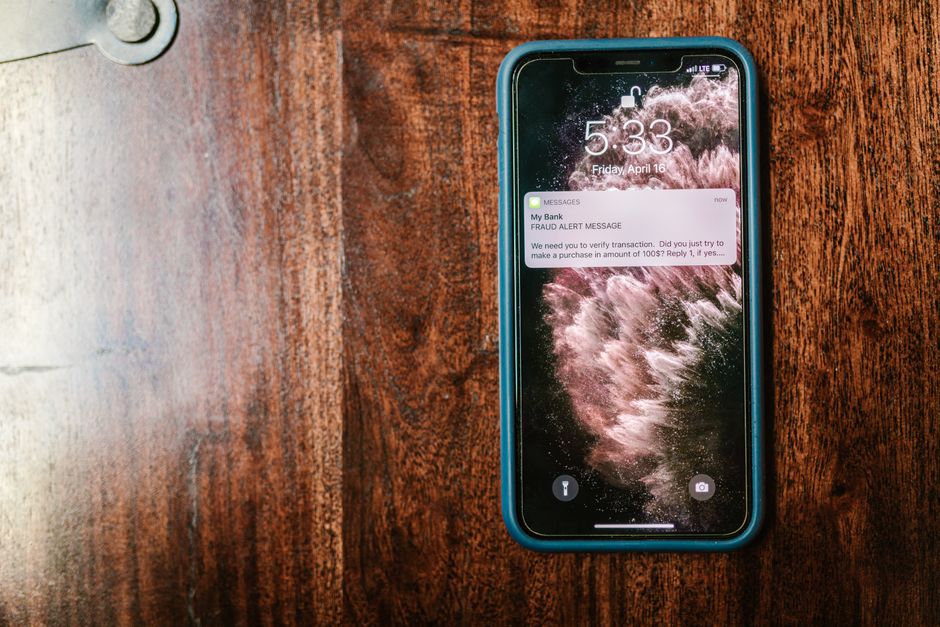
The power of old data in social engineering extends beyond email. It can be used in vishing (voice phishing) or smishing (SMS phishing) attacks. An attacker might call you, pretending to be from your old bank or utility provider, referencing a specific account number or a service issue you had years ago, details obtained from a past data breach. They might then try to "verify" your identity by asking for your current password or other sensitive information. The fact that they have some accurate, albeit old, information makes them seem credible, leading you to believe you are speaking with a legitimate representative. This blend of current urgency and historical accuracy is a potent cocktail for deception. The data you thought was irrelevant, stored in some forgotten corner of the internet, is actively being mined and deployed to trick you into compromising your current security. It’s a constant reminder that our digital past is not just history; it’s an active ingredient in the threats of today.
Moreover, the sheer volume of old data available allows attackers to conduct extensive reconnaissance, known as OSINT (Open Source Intelligence), to build highly detailed profiles. Before launching a targeted attack, they might spend weeks or months piecing together your digital ghost: what hobbies you had in college, the names of your former colleagues, the places you used to frequent, even your political leanings from old comments on news articles. This depth of knowledge allows them to craft messages that are not just personalized, but emotionally resonant, hitting on your specific interests, fears, or aspirations. They might craft a fake job offer from a company you admired in your youth, or a compelling investment opportunity tailored to your past financial interests. The more they know about your history, the easier it is for them to manipulate your present, turning your own digital legacy into a weapon against you. The internet never truly forgets, and neither do the malicious actors who relentlessly scour its archives.