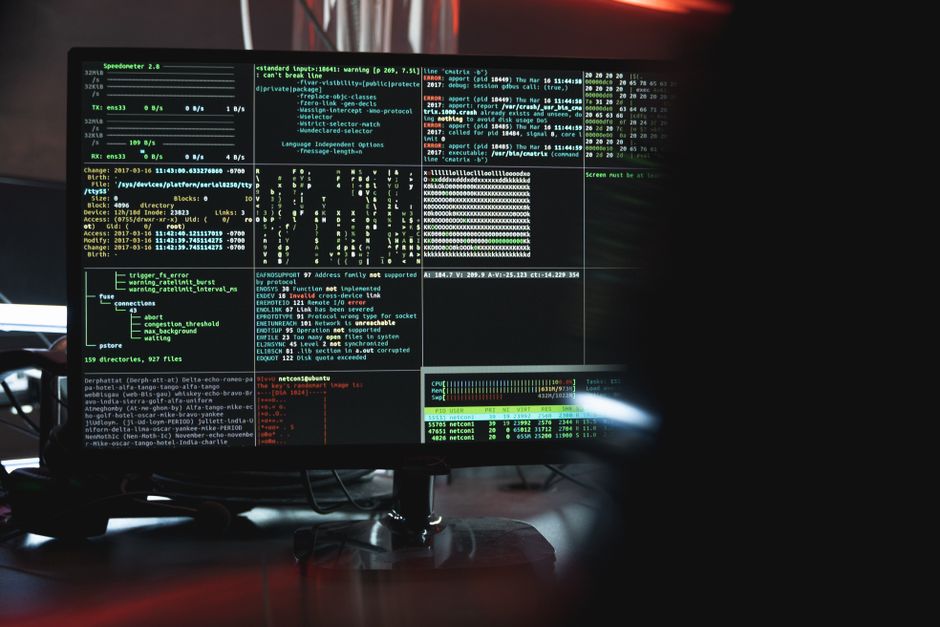
The Silent Invaders Malware, Spyware, and Information Stealers
While phishing relies on tricking you into voluntarily giving up information, another equally potent method cybercriminals employ to build your digital ghost involves the silent, surreptitious infiltration of your devices through malware and spyware. These insidious programs don’t ask for your permission; they simply embed themselves within your system, often without any noticeable symptoms, and begin siphoning off a continuous stream of data directly from your digital life. Think of them as tiny, invisible spies living inside your computer, phone, or tablet, constantly observing your every move, recording your keystrokes, capturing your screens, and uploading your most sensitive files to a remote server controlled by criminals. This method bypasses human error in many cases, directly attacking the integrity of your devices and the privacy of your data, providing a direct conduit for criminals to build an incredibly intimate and real-time profile of your digital existence.
The variety of malware used for profiling is vast and constantly evolving. Keyloggers, for instance, record every single keystroke you make, capturing passwords, credit card numbers, personal messages, and search queries as you type them. Remote Access Trojans (RATs) give attackers complete control over your device, allowing them to turn on your webcam, listen through your microphone, access your files, and even manipulate your system settings. Information stealers are specifically designed to scour your device for sensitive data, such as saved passwords in browsers, cryptocurrency wallet keys, banking details, and personal documents, then exfiltrate them. Clipboard hijackers silently replace legitimate copied text (like a cryptocurrency address) with a malicious one, tricking you into sending funds to a criminal. These tools are often deployed through deceptive means like malvertising (malicious ads), infected email attachments disguised as legitimate files, drive-by downloads from compromised websites, or even bundled with seemingly legitimate software downloads. The stealthy nature of these threats means you might be under constant surveillance without ever realizing it, contributing to your digital ghost with every interaction.
The impact of these silent invaders is profound. Consider the case of Emotet, a sophisticated banking Trojan that evolved into a modular botnet, capable of delivering a variety of payloads, including other infamous malware like TrickBot and Ryuk ransomware. Emotet would often spread through highly convincing phishing emails, sometimes even hijacking existing email threads to appear legitimate. Once inside a network, it would not only steal banking credentials but also harvest contact lists and email content, using this information to propagate itself further and enrich the profiles of its victims. Another chilling example is Pegasus spyware, developed by the NSO Group, which has been implicated in targeting journalists, human rights activists, and political dissidents. This highly advanced spyware can remotely infect phones, turning them into comprehensive surveillance devices capable of accessing messages, calls, photos, and even activating the camera and microphone without the user's knowledge. While Pegasus is often associated with state actors, the underlying technology and its capability to build a complete digital profile from a compromised device illustrate the extreme end of what information stealers can achieve, making your digital ghost a living, breathing entity for those who control the malware.
The Continuous Feed of Your Digital Life
What makes malware and spyware particularly effective for profile building is the continuous, real-time feed of information they provide. Unlike a data breach which is a snapshot in time, or OSINT which relies on publicly available information, malware offers a dynamic, evolving picture of your digital life. As you browse the internet, log into accounts, send messages, and interact with applications, the malware is constantly collecting this fresh data. This allows cybercriminals to not only build an initial profile but to continuously update it, understanding your current habits, financial movements, and communications. If you change a password, the keylogger captures the new one. If you visit a new banking site, the information stealer notes it. This constant stream of fresh data ensures that the digital ghost they are building is always current and highly accurate, making it an invaluable asset for ongoing exploitation.
The data collected through malware can be incredibly granular, far more so than what's available through other means. It can include not just your login credentials but also your browsing history, your search queries, your private messages, the contents of your documents, and even screenshots of your desktop. This level of detail allows criminals to understand your interests, your vulnerabilities, your financial health, and even your personal relationships with an alarming degree of intimacy. This isn't just about stealing money; it’s about gaining a comprehensive understanding of your entire digital persona, which can then be used for identity theft, blackmail, targeted harassment, or even corporate espionage. The silent operation of these invaders means that the damage is often done long before it's discovered, and by then, your digital ghost has been fully formed, ready to be unleashed in whatever malicious way the criminals deem fit. It's a stark reminder that device security is paramount in protecting your privacy and preventing the construction of such an intimate and dangerous profile.
"Malware is the ultimate digital spy. It doesn't just collect data; it lives your digital life alongside you, observing, recording, and transmitting every private moment. Your digital ghost isn't just a reflection; it's a real-time feed." - Dr. David Chen, Head of Threat Intelligence.
The sophistication of these tools means that even users with a good understanding of cybersecurity can fall victim. The deployment methods are constantly evolving, from zero-day exploits that leverage unknown vulnerabilities to highly convincing social engineering tactics that trick users into installing the malware themselves. Once installed, many advanced strains are designed to evade detection by antivirus software, making them incredibly persistent. The sheer volume of data they can exfiltrate means that a single successful infection can provide a cybercriminal with enough information to create a devastatingly complete profile of an individual's digital life. It underscores the critical need for robust endpoint security, regular software updates, and an unwavering skepticism towards unsolicited links and attachments, because the digital ghost built by these silent invaders is perhaps the most comprehensive and dangerous of all.