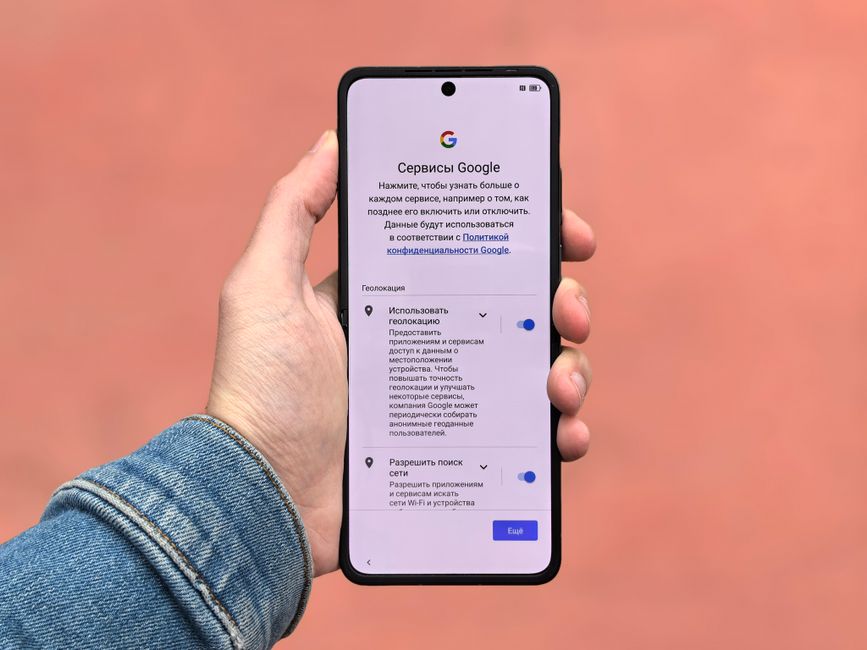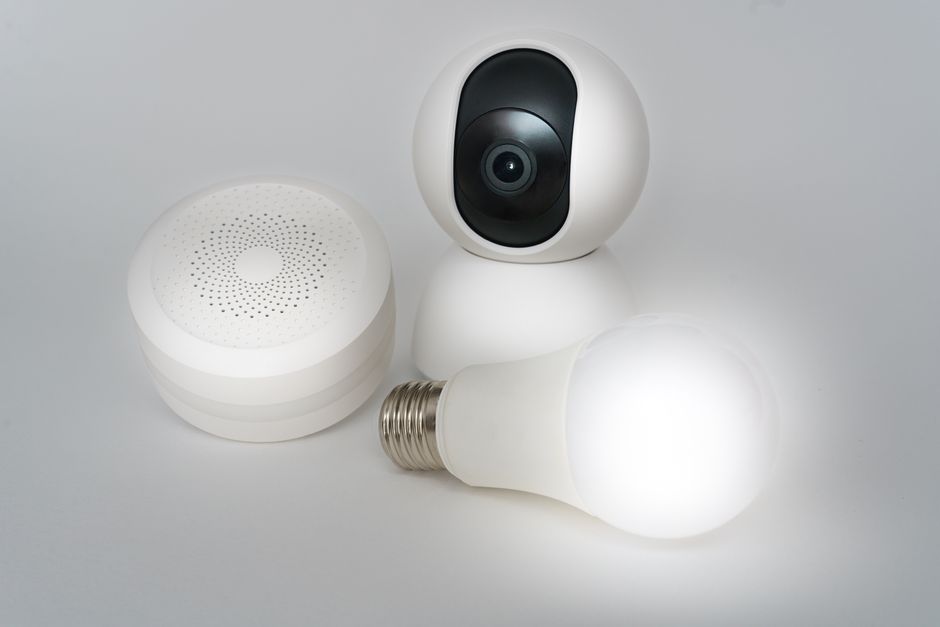
There’s a peculiar, almost unsettling sensation many of us have experienced: a hushed conversation with a friend about a niche product, a fleeting mention of a travel destination, or even just a casual thought whispered aloud, only to have an advertisement for that exact thing pop up on our phones minutes or hours later. It’s a moment that sends a shiver down the spine, a quiet confirmation of a suspicion many of us harbor: our phones are listening. Not just when we explicitly ask them to, like calling out to Siri or Google Assistant, but seemingly all the time, an invisible, ever-present ear in our pockets, cataloging our desires, fears, and even our most private thoughts. This isn’t a conspiracy theory relegated to the darker corners of the internet; it’s a pervasive reality woven into the fabric of our hyper-connected lives, a byproduct of convenience and the insatiable appetite for data that fuels the modern tech economy.
For years, the idea of devices actively eavesdropping felt like something out of a dystopian novel, a fantastical scenario painted by science fiction writers. Yet, as our smartphones have evolved from simple communication tools into indispensable extensions of ourselves, their capabilities have expanded exponentially, often without a full grasp from the average user regarding the implications. These devices, brimming with sophisticated sensors and powerful processors, are designed to collect data, and that includes audio. What begins as a seemingly innocuous permission granted to an app – access to your microphone – can quickly morph into a passive, continuous stream of information flowing from your personal space directly into the digital ether, analyzed, categorized, and monetized by unseen entities. Understanding the mechanics of this always-on surveillance, and more importantly, how to reclaim a semblance of privacy, has become an essential skill in the digital age, a critical defense against the creeping encroachment on our personal autonomy.
That Chilling Feeling When Your Phone Knows Too Much
The anecdotal evidence is overwhelming, and it’s often what first alerts people to the unsettling reality of phone eavesdropping. Picture this: you’re discussing a new brand of pet food with your partner in your living room, the phone innocently sitting on the coffee table. Later that day, while scrolling through your social media feed, an ad for that exact pet food company appears. Coincidence? Perhaps, once or twice. But when it becomes a recurring pattern, when the whispers of your private life begin to manifest as targeted advertisements, the feeling of being watched, or rather, listened to, becomes undeniable. It’s a subtle yet profound violation, making us question the very sanctity of our personal spaces and the trust we place in the technology we’ve invited into every corner of our lives, from the bedroom to the bathroom, from intimate conversations to mundane daily routines.
This feeling isn't mere paranoia; it's a legitimate response to the increasingly sophisticated methods employed by app developers and advertisers to gather user data. While tech giants often vehemently deny actively "listening" to private conversations for advertising purposes, the mechanisms are undeniably in place for audio capture, and the lines between what’s permissible and what’s ethical often blur. The sheer volume of data points collected about each individual user is staggering, ranging from location data and browsing history to app usage patterns and, yes, even audio inputs. When all these pieces of information are aggregated and analyzed by powerful AI algorithms, they create an incredibly detailed profile of you, predicting your needs, desires, and even your next purchase with unnerving accuracy, making that "coincidence" feel less like chance and more like calculated surveillance.
The psychological toll of this constant, passive monitoring is also worth considering. It fosters a subtle sense of unease, a feeling that one is never truly alone, never truly off the grid. This can lead to self-censorship, where individuals become hesitant to speak freely around their devices, altering their behavior and conversations out of a subconscious fear of being recorded or having their words used against them. This erosion of privacy isn't just about ads; it's about the fundamental right to a private life, to a space where thoughts and discussions can occur without the looming shadow of algorithmic scrutiny. Reclaiming this space requires not just technical adjustments but also a deeper understanding of the digital ecosystem and a commitment to safeguarding one's digital footprint.
Beyond the Microphone: How Apps Eavesdrop Without You Realizing
While the microphone is the most obvious culprit, the reality of app eavesdropping extends far beyond direct audio recording. Modern smartphones are veritable Swiss Army knives of sensors, each capable of collecting a different type of data that, when combined, paints an incredibly detailed picture of your life. Think about it: your phone has a gyroscope, accelerometer, magnetometer, GPS, camera, and proximity sensor, all working in concert. While these sensors might not capture your voice, the information they gather can be just as revealing, if not more so, allowing apps to infer your activities, location, and even your emotional state, contributing to the comprehensive data profile that guides targeted advertising and content delivery. It’s a sophisticated web of data collection that often operates beneath the surface of our conscious awareness.
For instance, an app might not be recording your voice, but it could be tracking your precise location throughout the day, logging every store you visit, every restaurant you dine at, and even how long you spend there. This location data, often collected in the background with a seemingly innocent "allow location access for weather updates" permission, can be incredibly valuable for advertisers looking to understand your purchasing habits and daily routines. Combine this with data from your accelerometer, which can tell if you’re walking, running, or driving, and the gyroscope, which detects phone orientation, and apps can even infer physical activities or if you’re in a vehicle. These data points, while not audio, contribute significantly to the predictive power of algorithms, making that "coincidence" of targeted ads feel increasingly less coincidental.
Furthermore, even without explicit microphone access, some apps can leverage other seemingly benign permissions to gather ambient information. For example, some apps have been found to use ultrasonic beacons embedded in advertisements or store displays. These beacons emit high-frequency sounds imperceptible to the human ear but detectable by your phone’s microphone, even if it’s only granted "nearby device" or "Bluetooth" permissions. These signals can then link your device to specific physical locations or even other devices in the vicinity, creating a mesh network of data points that further refines your profile, all without ever "listening" to your actual conversations in the traditional sense. It’s a testament to the ingenuity, and perhaps unscrupulousness, of some data collection practices that exploit the very architecture of our ubiquitous mobile technology.
The Data Gold Rush: Why Your Voice is a Valuable Commodity
In the vast, interconnected landscape of the digital economy, data is the new oil, and your voice, along with every other scrap of personal information, is a highly coveted commodity. Companies, from tech giants to niche app developers, are engaged in a relentless data gold rush, understanding that the more they know about you, the more effectively they can tailor products, services, and most importantly, advertisements, to your specific profile. The ability to predict consumer behavior with high accuracy translates directly into massive profits, making the collection and analysis of personal data, including audio, an incredibly lucrative endeavor, often overshadowing concerns about privacy or ethical boundaries in the pursuit of greater market share and revenue streams.
Consider the sheer scale of the advertising industry. Billions of dollars are spent annually on reaching the right audience at the right time. Generic ads are inefficient; targeted ads, however, are a goldmine. If an algorithm knows you’re planning a vacation, discussing a new car, or even just expressing a fleeting interest in a hobby, it can present you with highly relevant ads that have a much higher chance of conversion. Your voice, in this context, becomes a rich source of intent signals, revealing your immediate needs and future aspirations in a way that mere browsing history or location data might not. This makes microphone access, whether always-on for voice assistants or intermittently activated by other apps, a prime target for data collection, providing a direct pipeline into your spontaneous thoughts and desires.
Beyond advertising, voice data is also invaluable for training artificial intelligence and machine learning models. Voice recognition systems, natural language processing, and personalized assistant technologies all rely on vast datasets of human speech to improve their accuracy and functionality. While companies often claim this data is anonymized or used solely for product improvement, the sheer volume and granularity of what's collected raise significant privacy questions. The potential for misuse, re-identification, or aggregation with other data points to create an even more complete profile remains a constant concern, transforming your unique vocal patterns and conversational nuances into a valuable asset for corporate endeavors, often without your explicit and fully informed consent. It's a complex ethical tightrope walk, balancing innovation with individual privacy rights in a rapidly evolving technological landscape.