Fortifying Your Digital Foundations: Cloud Storage and Data Sync Settings
In our increasingly interconnected digital lives, cloud storage has become the invisible backbone for many of our smart devices, seamlessly syncing photos, documents, backups, and even the configurations of our smart homes across multiple platforms. While the convenience of accessing your files from anywhere, on any device, is undeniable, this reliance on cloud services introduces a new layer of privacy considerations. Every photo you snap with your phone, every document you create on your tablet, every health metric recorded by your wearable, and even the intricate settings of your smart home system are often automatically uploaded and stored in a remote server farm, managed by a third-party provider. The perceived security and privacy of these cloud services can be a false comfort, as the data is no longer solely under your direct physical control. It resides in a vast digital repository, subject to the provider's terms of service, government requests, potential security vulnerabilities, and the inherent risks of any large-scale data storage operation. Understanding how your data is handled in the cloud, and crucially, who has access to it, is paramount to maintaining your digital privacy in the age of omnipresent syncing.
The privacy implications of cloud storage extend far beyond simple data breaches. Consider the terms of service for many popular cloud providers, which often grant them broad rights to scan, analyze, and even share your data with third parties for various purposes, including "improving services," "personalization," or even "legal compliance." While reputable providers employ robust encryption both in transit and at rest, the key question often revolves around who holds the encryption keys. If the provider holds the keys, they theoretically have the ability to access your data, even if they promise not to. This is particularly relevant for sensitive data like medical records, financial documents, or private communications. Furthermore, accidental sharing settings, where a folder or file is inadvertently made public, can expose highly personal information to the entire internet. The sheer volume of data we entrust to the cloud, combined with the complex and often opaque nature of cloud privacy policies, creates a significant challenge for users seeking to maintain control over their digital footprint. Our smart devices, by constantly feeding data into these cloud ecosystems, act as conduits for this continuous stream of personal information, making cloud privacy an inseparable component of overall smart device privacy.
Taking Ownership of Your Digital Vaults
The first critical step in securing your cloud-synced data is to meticulously review the privacy and sharing settings of every cloud service you use, whether it's Google Drive, iCloud, Dropbox, OneDrive, or a specialized smart home cloud platform. Navigate to your account settings within each service and look for options related to data sharing, third-party app access, and public link creation. Ensure that automatic sharing for folders or files is disabled unless absolutely necessary for specific collaborative projects. For sensitive documents, consider using end-to-end encrypted cloud services or encrypting the files yourself before uploading them, ensuring that even if the cloud provider is compelled to hand over data, it remains unreadable without your private key. Many services also offer granular control over which devices can access your synced data; regularly review and revoke access for old or unused devices. This proactive approach ensures that your default cloud settings are privacy-centric, rather than convenience-driven, minimizing the risk of accidental exposure or unauthorized access to your most personal digital assets.
"Handing over your data to the cloud without understanding its privacy settings is like dropping your diary in a public square. Take the time to lock it down." – Marcus Thorne, Cloud Security Architect.
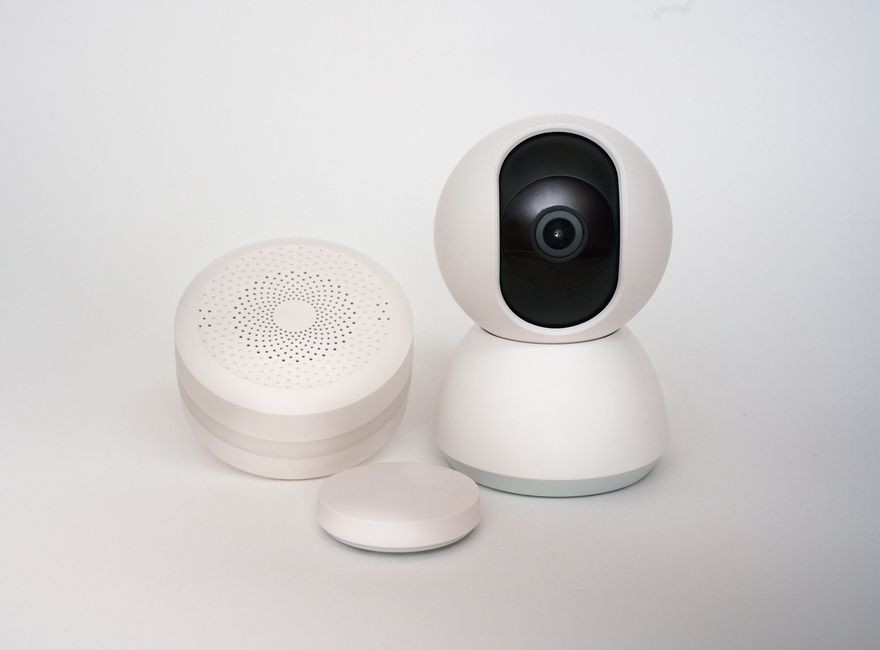
Next, pay close attention to the data retention policies of your cloud providers and the specific smart devices that sync with them. Many services retain deleted files for a certain period, and some smart device backups might linger in the cloud long after you've stopped using the device. Understand how long your data is kept and whether you have the option to permanently delete it. For smart home ecosystems, review how device configurations, sensor data, and video recordings are stored in the cloud. Some smart camera services, for example, default to cloud storage for all recordings, often with a limited retention period. If local storage is an option, prioritize it for sensitive video feeds. Consider setting up automatic deletion policies for older data where available. Furthermore, enable two-factor authentication (2FA) on all your cloud accounts; this is a non-negotiable security measure that adds a critical layer of protection against unauthorized access, even if your password is compromised. Strong, unique passwords for each cloud service are also paramount. These combined efforts create a robust defense, ensuring that your cloud-stored data is not only secure but also truly under your command.
Practical Steps to Fortify Your Digital Walls Today
Navigating the complex world of smart device privacy can feel overwhelming, but empowering yourself with knowledge and taking deliberate action is the most effective defense. Here are actionable insights to implement today, transforming your digital environment from a potential vulnerability into a fortress of privacy:
-
Reclaim Your Voice from Digital Attendants:
- Audit Voice History: For Amazon Alexa, open the Alexa app, go to "Settings" > "Alexa Privacy" > "Manage Your Alexa Data." Review and delete voice recordings.
- Automate Deletion: Within "Manage Your Alexa Data," set automatic deletion for recordings (every 3 or 18 months, or never save). Opt out of "Use voice recordings to improve Amazon services and develop new features."
- Google Assistant Control: Visit myactivity.google.com, then "Web & App Activity," and ensure "Voice & Audio Activity" is paused or set to auto-delete.
- Siri History Purge: On iOS, navigate to "Settings" > "Siri & Search" > "Siri History" and tap "Delete Siri & Dictation History." Turn off "Improve Siri & Dictation."
- Physical Mute: Make it a habit to use the physical microphone mute button on your smart speakers when not actively using them or during private conversations.
-
Mapping Your Movements, Guarding Your Ground:
- App-Specific Location Permissions: On your smartphone, go to "Settings" > "Privacy & Security" (iOS) or "Location" (Android). Review every app's location access. Change "Always" to "While Using the App" or "Ask Next Time" for most apps, and "Never" for those that don't need it.
- Disable System Location History: For Android, pause "Location History" in your Google Account activity controls. For iOS, go to "Settings" > "Privacy & Security" > "Location Services" > "System Services" > "Significant Locations" and turn it off, then clear history.
- Smart Home Geofencing: In companion apps for smart thermostats, cameras, etc., review and limit location-based triggers (geofencing) to only essential functions. Prioritize Wi-Fi-based presence detection over GPS if available.
-
The Digital Keys to Your Private Life:
- Comprehensive App Permissions Audit: On your phone, go to "Settings" > "Apps" (Android) or "Privacy & Security" (iOS). Review permissions for every installed app, focusing on Microphone, Camera, Contacts, and Storage. Revoke unnecessary access.
- Least Privilege Principle: Only grant the absolute minimum permissions an app needs to function. If a flashlight app wants contacts, delete it.
- Regular Re-evaluation: Periodically revisit app permissions, especially after updates or for apps you haven't used in a while. Uninstall unused apps.
- Pay Attention to Indicators: Notice the green/orange dots on iOS or microphone/camera icons on Android status bars, indicating active sensor use. Investigate if an app is using them unexpectedly.
-
Escaping the Echo Chamber of Targeted Ads:
- Reset Advertising ID: On iOS, "Settings" > "Privacy & Security" > "Tracking" (turn off "Allow Apps to Request to Track" or deny per app) and "Apple Advertising" (turn off "Personalized Ads"). On Android, "Settings" > "Google" > "Ads" > "Reset advertising ID" and enable "Opt out of Ads Personalization." Do this regularly.
- Voice Assistant Ad Settings: In Alexa/Google Assistant apps, look for options to "Opt out of interest-based ads" or "Don't use voice recordings for product improvement and ad personalization."
- Browser & Network Ad Blocking: Use privacy-focused browsers (Brave, Firefox with enhanced tracking) and browser extensions (uBlock Origin, Privacy Badger). Consider a DNS-level ad blocker like Pi-hole for network-wide protection.
-
Your Living Room's Secret Observer:
- Disable Smart TV ACR: Dive into your smart TV's "Settings" menu (look under "Privacy," "Terms & Policies," "Smart Features," or "About This TV") and disable features like "Viewing Information Services," "Smart Interactivity," "Samba Interactive TV," or "LivePlus."
- Remote Microphone Management: If your smart TV remote has a microphone, use it sparingly. If your TV has an always-on microphone, find the physical mute switch or software setting to disable it.
- Streaming Device Privacy: Review privacy settings on Roku, Fire TV, Apple TV, etc., for options to disable personalized ads or limit data collection.
-
The IoT's Whispers:
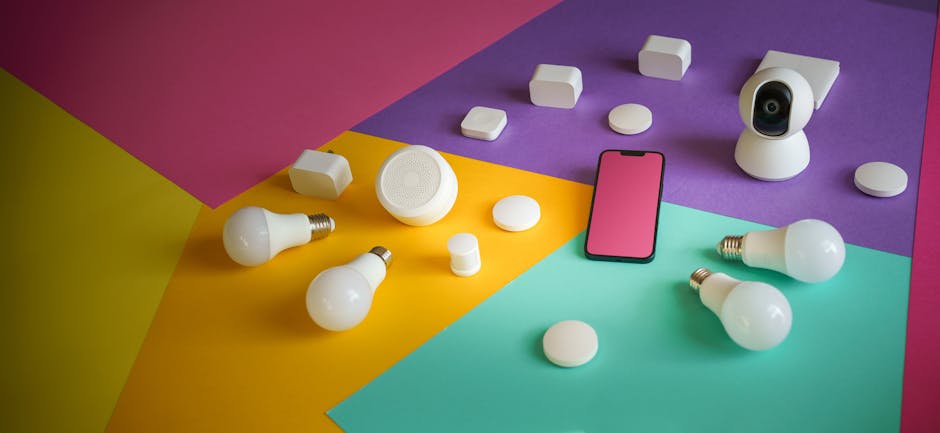
- Device-Specific App Audits: For every smart home device (thermostat, camera, lights, vacuum), review its companion app's privacy settings. Opt out of data sharing, personalized experiences, or "product improvement" where possible.
- Local Storage Priority: For smart cameras, prioritize local storage (SD card, NVR) over cloud storage for sensitive recordings.
- Network Isolation: Create a separate "guest" Wi-Fi network or VLAN for your IoT devices to isolate them from your main network.
- Strong Security Basics: Change default passwords immediately, use strong unique passwords, and enable 2FA wherever offered for IoT accounts. Keep firmware updated.
-
Fortifying Your Digital Foundations (Cloud Storage):
- Cloud Service Privacy Settings: Review privacy and sharing settings for Google Drive, iCloud, Dropbox, OneDrive, and any smart home cloud platforms. Ensure automatic sharing is off and public links are not inadvertently created.
- Encryption for Sensitive Data: For highly sensitive files, consider encrypting them yourself before uploading to the cloud, or use end-to-end encrypted cloud services.
- Data Retention Policies: Understand how long your data is kept by cloud providers and smart device backup services. Set up auto-deletion where available.
- Two-Factor Authentication (2FA): Enable 2FA on ALL your cloud accounts. Use strong, unique passwords for each service.
The digital world demands constant vigilance, but by taking these concrete steps, you can significantly reduce your smart devices' ability to listen, track, and profile you. It's an ongoing process, not a one-time fix, but the effort is a vital investment in your personal privacy and digital autonomy. Remember, your data is your digital identity; protect it fiercely.