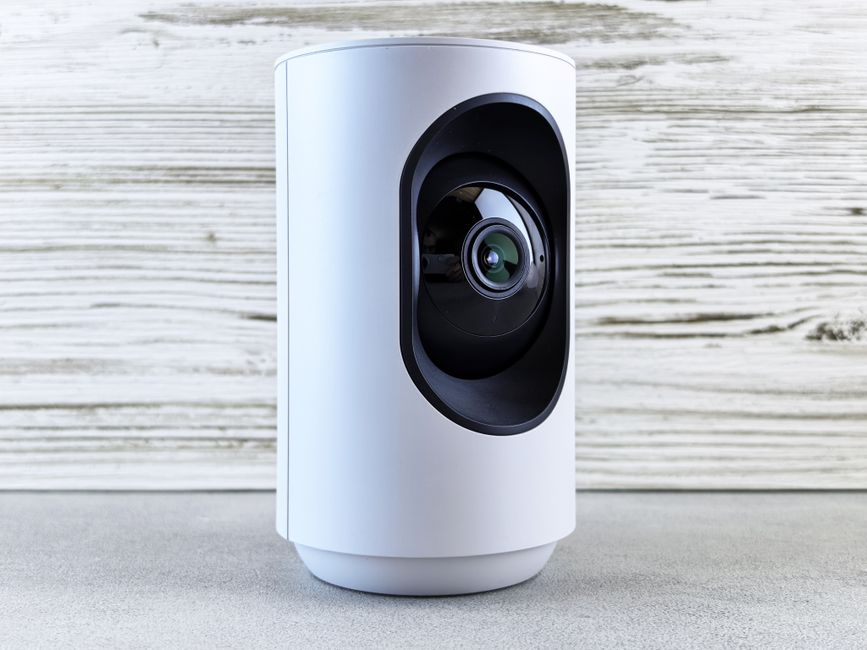
Remember that fleeting moment of unease when your smart speaker suddenly chimed in, unprompted, or when an advertisement for that obscure product you only *thought* about popped up on your feed? It’s not paranoia, my friends; it’s the quiet hum of your digital life being meticulously observed, analyzed, and often, monetized. We’ve welcomed these sleek, intelligent gadgets into our homes with open arms, seduced by their convenience, their seamless integration into our busy lives, and the promise of a smarter, more connected existence. From the thermostats that learn our preferred temperatures to the smart TVs that suggest what to watch next, the security cameras that guard our doorways, and even the refrigerators that track our groceries, these devices have become integral parts of our daily routines. They are, in essence, the silent sentinels of our homes, always on, always connected, and often, always listening or watching, building a comprehensive profile of who we are, what we do, and even what we say behind closed doors. The sheer volume of data they collect is staggering, a veritable goldmine for advertisers, data brokers, and, disturbingly, even less scrupulous entities.
This isn't some dystopian sci-fi plot playing out on a screen; this is the very real, very present reality of living in the age of the Internet of Things (IoT). Our smart devices, designed to simplify our lives, have simultaneously introduced an unprecedented level of surveillance into our most private spaces. They gather everything from our browsing habits and viewing preferences to our physical movements within our homes, our conversations, and even biometric data. This information, often collected without explicit, transparent consent, is then transmitted, stored, and analyzed, forming an intricate mosaic of our private lives. The chilling part is that many of us remain blissfully unaware of the extent of this data collection, or perhaps, we’ve become so accustomed to trading privacy for convenience that we've stopped questioning the trade-off. But the consequences of this pervasive digital eavesdropping are far-reaching, impacting not just our personal privacy but also our security, financial well-being, and even our autonomy in an increasingly data-driven world. It's time to pull back the curtain and understand the mechanisms at play, because knowledge, in this digital age, is truly power.
The Unseen Data Stream: How Your Gadgets Became Informants
The concept of smart devices "spying" on us might sound dramatic, but it's a stark reality rooted in the business models of many tech companies. These devices are often sold at razor-thin margins, or sometimes even at a loss, with the real profit coming from the data they collect. Think about it: a "free" app or a surprisingly affordable smart speaker isn't truly free. You're paying with your personal information, which is then aggregated, anonymized (or supposedly anonymized), and sold to third parties for targeted advertising, market research, and even predictive analytics. This data stream isn't just about what you explicitly tell your voice assistant; it encompasses metadata, usage patterns, device interactions, and environmental data. For instance, a smart thermostat doesn't just know your preferred temperature; it might log when you're home, when you're away, and how often you adjust the settings, providing insights into your daily routine. A smart TV tracks every show you watch, every app you open, and even potentially your viewing posture if it has a camera, creating a detailed profile of your entertainment habits that's far more valuable than the initial sale price of the television itself. This unseen flow of information is the lifeblood of the modern digital economy, and unfortunately, we, the users, are often unknowingly contributing to it.
The methods of data collection are sophisticated and constantly evolving. Microphones in smart speakers are always listening for their wake word, but research has shown instances where they might inadvertently record and transmit snippets of conversation even without the wake word being uttered. Smart cameras, beyond their security function, often employ facial recognition and object detection, cataloging who enters your home, when, and what they carry. Location data, pulled from your smartphone that's connected to these devices, can map your entire day, revealing patterns of movement, visits to specific locations, and even your health habits if integrated with fitness trackers. Even seemingly innocuous devices, like smart light bulbs, can collect data on your presence and activity within a room. The sheer scale and granularity of this data collection are what make it so powerful and, simultaneously, so concerning. It's not just about one piece of information; it's about connecting countless dots to form an incredibly detailed, dynamic picture of your life, a picture that you very rarely get to see or control. This intricate web of data points paints a surprisingly accurate portrait of your habits, preferences, and even your personality, making you a highly desirable target for various commercial and, sometimes, even malicious interests.
Moreover, the security implications of this vast data collection are profound. Every smart device connected to your network represents a potential entry point for hackers. A vulnerability in a smart light bulb or a poorly secured smart refrigerator could be exploited to gain access to your entire home network, compromising more sensitive devices like your computer or even financial data. We've seen numerous high-profile data breaches where personal information collected by IoT devices was exposed, leading to identity theft, targeted scams, and a pervasive feeling of vulnerability. From the infamous VTech breach that exposed children's data to the Ring camera hacks that allowed strangers to speak to families in their homes, the risks are not hypothetical; they are very real and have tangible consequences. The convenience these devices offer often comes at the cost of robust security, with many manufacturers prioritizing speed to market over comprehensive privacy and security measures. This leaves consumers in a precarious position, often unknowingly exposing themselves and their families to significant digital risks. Understanding these underlying vulnerabilities is the first critical step toward reclaiming control and fortifying our digital perimeters against the relentless tide of surveillance and potential exploitation.
The Pervasive Reach of the Internet of Things
The Internet of Things, or IoT, is no longer a futuristic concept; it's deeply embedded in our present. From your morning alarm clock that's synced with your coffee maker to your car that updates its software over the air, and even your pet's smart feeder, the number of connected devices is exploding. Analysts predict tens of billions of IoT devices will be active globally within the next few years, far outnumbering the human population. This proliferation means that almost every facet of our physical environment is becoming digitized and connected, creating an invisible layer of data exchange that most of us are barely aware of. Our homes, once sanctuaries of privacy, are now bustling hubs of data transmission, with each smart gadget acting as a tiny, specialized sensor, constantly gathering information about its surroundings and its users. This pervasive reach means that the concept of "offline" is rapidly becoming an anachronism for many aspects of our lives, making it increasingly challenging to escape the watchful gaze of these interconnected technologies.
The convenience offered by this interconnected ecosystem is undeniable. Imagine your smart home adjusting lighting and temperature as you approach, or your refrigerator automatically adding milk to your grocery list. These are the promises that have driven the adoption of IoT devices, simplifying tasks and automating routines. However, this convenience is a double-edged sword. The seamless flow of data required for these automations also creates opportunities for extensive surveillance. Every interaction, every command, every piece of environmental data contributes to a larger profile that can be used for purposes far beyond enhancing your user experience. This includes behavioral advertising, insurance risk assessments, and even law enforcement investigations, often without your explicit knowledge or consent. The very architecture designed for convenience simultaneously facilitates an unprecedented level of data collection, blurring the lines between helpful functionality and intrusive monitoring. It's a trade-off that many consumers accept without fully comprehending the long-term implications for their digital autonomy and personal privacy.
"The data collected by smart devices isn't just about what you say or do; it's about creating a predictive model of your future behavior, making you a target for manipulation." - Bruce Schneier, Cybersecurity Expert
Furthermore, the rapid pace of innovation in the IoT space often outstrips the development of robust security and privacy standards. Many manufacturers, especially those producing lower-cost devices, prioritize functionality and market entry over comprehensive security audits and privacy-by-design principles. This means that countless devices are shipped with default passwords, unpatched vulnerabilities, or opaque privacy policies that make it nearly impossible for the average user to understand what data is being collected and how it's being used. The result is a fragmented and often insecure IoT landscape where users are left to navigate complex settings and obscure terms of service, often without the technical expertise to truly protect themselves. This lack of standardization and oversight creates a fertile ground for privacy breaches and security compromises, turning our convenient smart gadgets into potential liabilities. It's a wild west scenario where the pioneers are often the consumers, unwittingly exposing their most private moments to potential scrutiny.