There's a quiet hum in the background of our lives, a symphony of invisible signals emanating from the devices we've invited into our most intimate spaces. We've embraced the future with open arms, transforming our houses into 'smart homes' where convenience reigns supreme, where a simple voice command can dim the lights, play our favorite music, or even preheat the oven. The allure is undeniable: a life made simpler, more efficient, seemingly more connected. Yet, beneath this glossy veneer of technological marvel lies a more unsettling truth, one that whispers of unseen eyes and unheard ears, diligently collecting fragments of our existence, compiling dossiers on our habits, preferences, and even our most private conversations. This isn't the stuff of dystopian fiction; it's the stark reality of modern living, where the very gadgets designed to serve us often double as passive, persistent observers. The question isn't whether your smart home could be listening, but rather, what exactly it's hearing, how that information is being used, and what chilling implications that holds for your fundamental right to privacy. The comfort of our sanctuary is being subtly eroded, replaced by a pervasive sense of being perpetually monitored, a feeling that, for many, remains just below the surface of conscious thought, until a targeted ad pops up referencing a conversation they swear was private, or a news story breaks about yet another data breach involving a supposedly secure device. It's time to pull back the curtain and confront the truth about the digital eavesdroppers nestled within our walls.
For over a decade, my work in cybersecurity, online privacy, and network security has peeled back the layers of digital deception, exposing the hidden mechanisms that govern our online and, increasingly, our offline lives. The smart home revolution, while promising unparalleled convenience, has simultaneously ushered in an era of unprecedented data collection, often without our explicit, informed consent. We tap 'agree' on endless terms and conditions, blissfully unaware of the profound permissions we're granting, allowing companies to essentially set up shop inside our homes, observing and analyzing every digital ripple we create. This isn't merely about marketing; it's about control, about power, and about the fundamental shift in the relationship between individuals and the corporations that now mediate so much of our daily experience. The convenience factor, so often touted as the primary benefit, often overshadows the critical privacy trade-offs, making it easy to overlook the subtle ways our personal spaces are being transformed into data mines. The very fabric of our domestic tranquility is being rewoven with threads of surveillance, and it's imperative that we understand the implications before the pattern becomes irreversible, before the lines between public and private blur beyond recognition, leaving us exposed in ways we never anticipated.
The Pervasive Surveillance Creep in Our Digital Dwellings
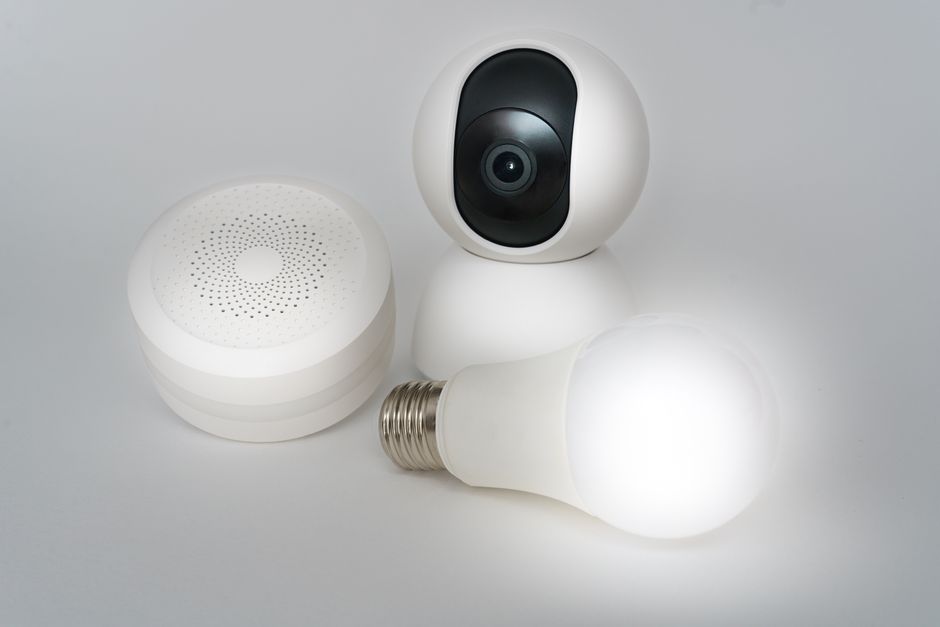
The concept of a 'smart home' has evolved rapidly from a futuristic pipe dream into an everyday reality for millions. What began with simple remote-controlled lights and thermostats has blossomed into a sprawling ecosystem of interconnected devices, all designed to make our lives easier, more comfortable, and ostensibly, more secure. From refrigerators that order groceries to doorbells that show you who’s knocking, the promise is one of seamless integration and effortless living. However, this intricate web of connectivity also creates an equally intricate web of data points, each one a potential vulnerability, each one a piece of your personal puzzle being fed into vast, opaque databases. The sheer volume and granularity of the information collected by these devices – your routines, your conversations, your viewing habits, even the very sounds and sights within your home – paint an incredibly detailed picture of who you are, a digital avatar far more comprehensive than anything you might consciously create. This data, once collected, rarely stays static; it's analyzed, aggregated, shared, and often monetized in ways that are far from transparent, creating a lucrative industry built on the intimate details of our private lives, details we often unwittingly surrender in exchange for a modicum of convenience.
The scale of this data collection is truly staggering, yet it often goes unnoticed because it's baked into the very functionality of these devices. It's not a bug; it's a feature. Consider the average smart home user, who might have a voice assistant in the living room, a smart TV in the bedroom, and a video doorbell at the front door. Each of these devices, independently, collects a wealth of data. When combined, this information creates a holistic profile that can be incredibly insightful, not just for targeted advertising, but for far more insidious purposes. Law enforcement agencies have, on multiple occasions, sought access to smart home device data in criminal investigations, raising profound questions about Fourth Amendment rights in the digital age. Insurance companies could potentially use this data to assess risk or even deny claims. Malicious actors, through data breaches or direct hacking, could gain access to incredibly sensitive information, leading to identity theft, blackmail, or even physical security risks. The convenience we crave often comes at an invisible cost, a slow erosion of privacy that, once lost, is incredibly difficult to reclaim, leaving us vulnerable to exploitation by entities both known and unknown, legitimate and nefarious.
The problem is compounded by a lack of robust regulation and consumer awareness. Many users simply don't understand the extent to which their devices are collecting data, nor do they fully grasp the implications of that collection. The terms of service agreements, often presented in dense legal jargon, are rarely read and even less frequently understood. Manufacturers, driven by profit motives and competitive pressures, prioritize features and market share over user privacy and security, often cutting corners or implementing practices that are, at best, ethically dubious. The rapid pace of technological innovation further exacerbates the issue; new devices with new data collection capabilities are constantly flooding the market, making it nearly impossible for consumers to keep up, let alone make truly informed decisions. This creates a power imbalance, where multinational corporations hold vast amounts of personal data, while individuals possess limited control or understanding over its use. It's a digital wild west, where the sheriffs are few, and the outlaws of data exploitation roam freely, leaving a trail of compromised privacy in their wake, fundamentally altering the landscape of what it means to have a truly private life.
The Silent Trade-Off Convenience Versus Confidentiality
The core of the smart home dilemma lies in the implicit trade-off we make: convenience for confidentiality. We desire the ease of voice commands, the peace of mind from remote monitoring, the seamless integration of our digital lives into our physical spaces. Manufacturers leverage this desire, packaging complex data collection mechanisms as essential components of the user experience. What they don't always articulate clearly, however, is the full extent of the data being gathered, who it's shared with, and how it might be used beyond improving the immediate service. For instance, that smart thermostat learning your preferred temperature schedule isn't just making your home more comfortable; it's also logging your presence and absence, building a detailed timeline of when you're home and when you're not. That smart lighting system that adjusts based on natural light isn't just saving energy; it's tracking your daily movements within your home. These individual data points, seemingly innocuous on their own, collectively paint a remarkably precise picture of your daily habits, a goldmine for advertisers, data brokers, and potentially, less scrupulous entities. It's a subtle form of digital profiling, built on the very infrastructure of our comfort, turning our private spaces into public data streams without our full comprehension or consent.
This trade-off is often presented as unavoidable, an inherent cost of progress. "If you want the convenience, you have to accept the data collection," is a common refrain, both explicit and implicit, from tech companies. But this narrative sidesteps the crucial ethical questions surrounding consent, transparency, and data stewardship. Is it truly necessary for a smart speaker to retain recordings of every interaction, or for a smart TV to monitor every show you watch, in order to provide its core functionality? Often, the answer is no. Many of these data collection practices extend far beyond what is strictly necessary for the device to operate, venturing into realms of data mining that primarily serve corporate interests. The collection of granular user data allows companies to develop more sophisticated algorithms, refine targeted advertising, and even create new revenue streams by selling anonymized (or sometimes, not-so-anonymized) data to third parties. This economic model, where your personal information becomes a valuable commodity, fundamentally shifts the power dynamic, placing the user at a disadvantage, often unknowingly contributing to a system that profits from their privacy. It's a Faustian bargain, where the immediate gratification of convenience obscures the long-term erosion of personal autonomy and control over one's own digital footprint, a footprint that is increasingly leaving tracks within the very walls of our homes.
"The smart home isn't just about automation; it's about information. Every connected device, from your doorbell to your light switch, is a potential data tap, turning your sanctuary into a surveillance hub, often without your explicit knowledge or meaningful consent." – Dr. Evelyn Reed, Cybersecurity Ethicist.
The insidious nature of this trade-off is that it normalizes surveillance. When we become accustomed to our devices listening and watching, we lower our guard, we adjust our behavior, and the very concept of privacy begins to erode. Children growing up in smart homes, constantly interacting with voice assistants and always-on cameras, may develop a fundamentally different understanding of privacy than previous generations, perhaps viewing constant monitoring as a natural and unavoidable part of life. This normalization has profound societal implications, potentially leading to a future where individual autonomy is significantly diminished and corporate or governmental oversight becomes pervasive. It's a slippery slope, where the initial benefits of convenience gradually give way to a landscape where personal boundaries are routinely crossed, and the expectation of privacy within one's own home becomes an antiquated notion. Understanding this silent trade-off is the first critical step towards reclaiming control and making informed decisions about the technology we allow into our most personal spaces, before the walls themselves become extensions of a global data collection network, listening and reporting on our every move, our every word, our every habit, turning our homes into unwitting participants in an unprecedented surveillance economy.