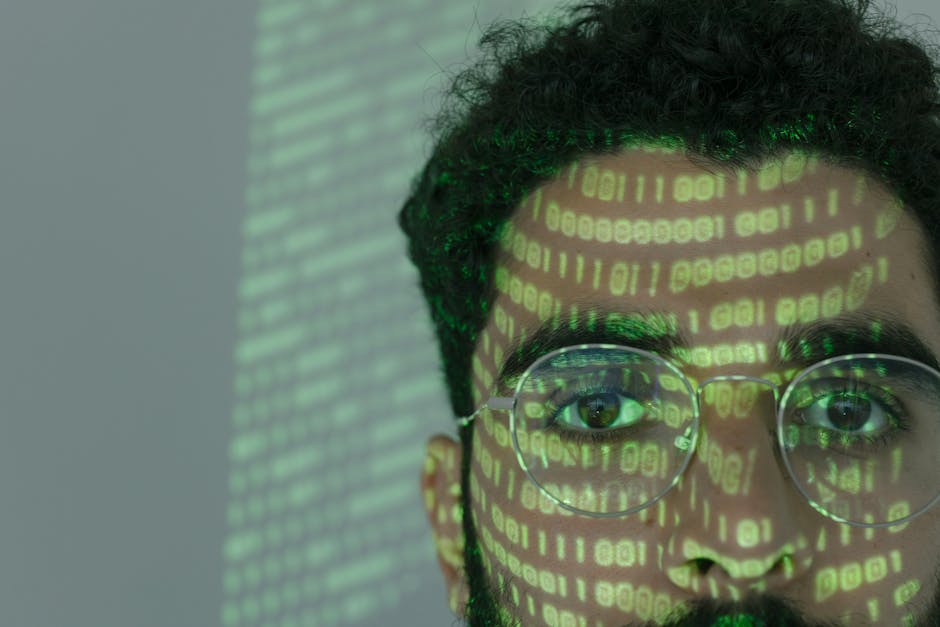
Ever felt that chilling sensation when an ad for something you *just* thought about, or mentioned in passing, pops up in your social media feed? It’s not paranoia, friend, it’s the meticulously crafted, multi-billion-dollar machinery of data mining at work. We scroll, we like, we share, we comment, and with every tap and swipe, we’re not just connecting with friends or consuming content; we’re feeding an insatiable beast that thrives on our personal information. This isn't just about creepy ads anymore; it's about the very fabric of our digital identities being dissected, analyzed, and leveraged in ways most of us can barely comprehend. The illusion of a free social playground has slowly given way to the stark reality of a vast surveillance network, where our most intimate details are the currency, and our privacy is the price of admission. It’s a sobering thought, isn't it?
For too long, many of us have operated under the misguided notion that our social media interactions are relatively benign, confined within the digital walls of our chosen platforms. We trusted the 'privacy policies' that scrolled by unread, clicked 'accept' on terms and conditions that would make a lawyer's head spin, and blithely assumed that our digital footprints were, for the most part, harmless. But the truth, as revelations from Cambridge Analytica to countless data breaches have starkly illustrated, is far more insidious. Our social media accounts are not just personal diaries; they are rich, fertile ground for sophisticated data miners – not just the platforms themselves, but a sprawling ecosystem of advertisers, data brokers, political campaigns, and even malicious actors. They are meticulously constructing incredibly detailed profiles of who we are, what we believe, what we buy, and even how we feel, often without our explicit consent or even our awareness.
The Invisible Harvest How Social Media Platforms Profit from Your Life
Let's be brutally honest: the business model of virtually every major social media platform hinges entirely on your data. Facebook, Instagram, X (formerly Twitter), TikTok – they are all, at their core, data collection agencies disguised as social networks. They offer you a "free" service, an alluring platform to connect, share, and entertain, but the payment isn't in dollars; it's in the granular details of your life. Every post you make, every photo you upload, every friend you add, every group you join, every link you click, every video you watch – it all becomes a data point. This isn't just about the content you explicitly share; it's also about the metadata, the timing of your activity, the devices you use, your location history, and even the nuances of your typing patterns. This colossal stream of information is then fed into complex algorithms, which tirelessly work to categorize you, predict your behavior, and ultimately, influence your decisions.
The sheer scale of this data collection is staggering. Imagine a digital dossier so comprehensive it knows your political leanings, your health concerns, your relationship status, your purchasing habits, your travel aspirations, and your deepest fears. Now imagine that dossier being constantly updated, refined, and then sold or licensed to thousands of third parties. This isn't science fiction; it's the daily reality for billions of social media users. The platforms argue that this data is anonymized or aggregated, but numerous studies and real-world incidents have shown how easily seemingly anonymous data can be de-anonymized, especially when combined with other publicly available information. The value of this data is immense, driving targeted advertising that can be incredibly effective, but also opening doors to manipulation, discrimination, and a profound erosion of personal autonomy. It's a gold rush, and your life story is the ore.
This relentless data harvest isn't just about showing you ads for shoes you just looked at. It delves much deeper. Data brokers, often operating in the shadows, aggregate information from numerous sources – your social media, public records, purchase histories, loyalty programs, even your browsing habits across the wider internet. They create incredibly rich profiles, which they then sell to advertisers, insurers, lenders, employers, and even political campaigns. This means that the information you casually share on Instagram could, indirectly, influence your insurance premiums, your eligibility for a loan, or even the job offers you receive. The consequences of this invisible economy are far-reaching, shaping opportunities and outcomes in ways we rarely connect back to our seemingly innocuous online activities. It's a powerful, often unregulated, ecosystem that thrives on the crumbs of our digital lives.
The Alarming Truth About Your Digital Shadow
Your digital shadow is not just a reflection; it's a dynamic, ever-expanding entity built from every interaction you have online. It's the sum total of your likes, your comments, your shares, your check-ins, your private messages (yes, even those are often scanned for keywords and sentiment), and the vast network of people and content you engage with. This shadow is then used to infer everything from your personality traits to your vulnerabilities. For instance, research has shown that algorithms can predict your sexual orientation, political affiliation, and even your likelihood of experiencing depression with surprising accuracy, based solely on your Facebook likes. This predictive power is what makes your data so valuable, and so potentially dangerous.
Consider the implications of this predictive power. If an algorithm can accurately assess your emotional state, imagine how that information could be used by predatory advertisers or political campaigns looking to exploit your anxieties. If your health data, even inferred from your online activity, falls into the wrong hands, it could lead to discriminatory practices in healthcare or employment. The "digital shadow" isn't just a passive record; it's an active, influential force that can shape your real-world experiences. We've seen instances where social media data has been used in court cases, for background checks, and even to deny services. The line between our online personas and our offline realities has become dangerously blurred, and the information we willingly, or unknowingly, expose online has tangible, often irreversible, consequences.
"Privacy is not something that you can give away and then take back. It is fundamental to human dignity and autonomy." - Shoshana Zuboff, author of 'The Age of Surveillance Capitalism'
This isn't about fostering paranoia; it's about cultivating a healthy sense of digital literacy and proactive self-preservation. While the "5-minute privacy checklist" might sound like a quick fix, it's really the crucial first step in a much larger, ongoing journey towards digital autonomy. The goal isn't necessarily to become a digital hermit and abandon social media entirely – for many, that's simply not feasible or desirable in today's interconnected world. Instead, the aim is to empower you with the knowledge and tools to regain control, to understand the mechanisms at play, and to make informed decisions about what you share, how you share it, and who ultimately benefits from your digital presence. It's about turning the tables, even if just a little, and ensuring that your social media experience serves you, rather than the other way around. Let's embark on this essential quest together, starting with those immediate, impactful changes that can begin to lock down your digital life today.