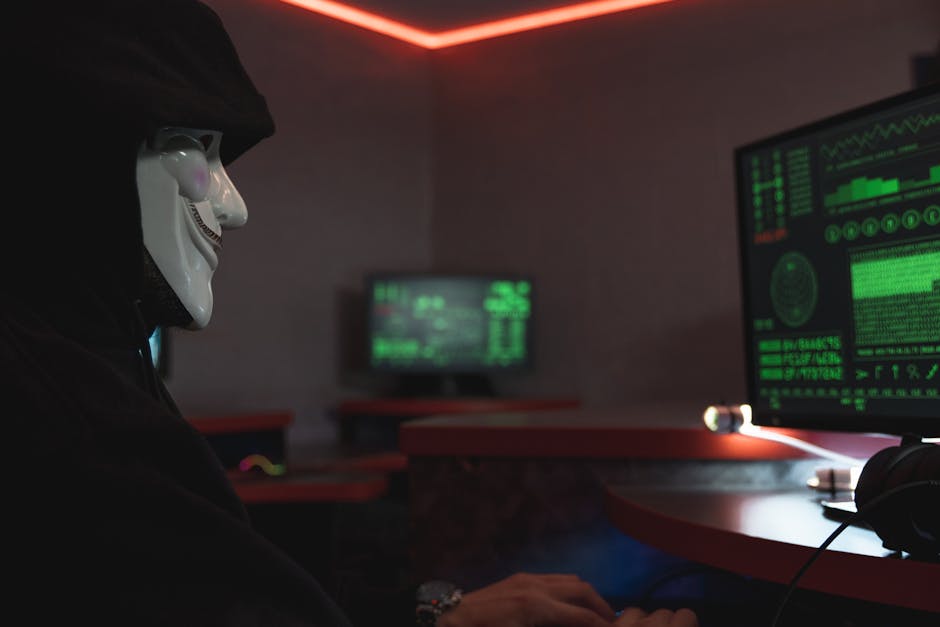
The Scammer's New Playbook Weaponizing Trust and Emotion
For decades, scammers have relied on a relatively consistent set of psychological manipulation tactics: urgency, fear, greed, and the exploitation of trust. They craft elaborate narratives, impersonate authority figures, or appeal to our altruistic nature. But these tactics have always been somewhat limited by the fidelity of their impersonations. A poorly written email from a "prince" or a robotic voice claiming to be the IRS often contains enough red flags to trigger skepticism. Deepfakes, however, obliterate these limitations. They provide scammers with an unprecedented ability to create hyper-realistic, emotionally resonant deceptions that bypass our logical defenses and directly target our most vulnerable points of trust and empathy.
Imagine the perfect phishing attack. It doesn't come from a suspicious email address, nor does it contain grammatical errors. It arrives as a video message from your CEO, looking directly at you, detailing an urgent, confidential project that requires an immediate, discreet funds transfer. Or it's a panicked phone call from your child, their voice cracking with fear, begging for money after a fabricated accident. These aren't just clever tricks; they are precision-engineered emotional weapons, designed to short-circuit critical thinking and compel immediate action. The new scammer's playbook isn't just about technical prowess; it's about the psychological mastery of deception, amplified to an almost irresistible degree by AI.
The "Grandparent Scam" on Steroids Voice Cloning for Emergency Fraud
The classic grandparent scam preys on the love and concern elderly individuals have for their grandchildren. A scammer calls, pretending to be a grandchild in distress – perhaps arrested, in an accident, or stranded – and urgently needs money wired. The emotional appeal is powerful, but often, the scammer's voice might not sound exactly like the grandchild, or their story might have inconsistencies. Deepfake voice cloning removes these vulnerabilities, making this scam infinitely more potent and devastating.
Consider this scenario: an elderly person receives a call. The caller ID even looks legitimate, spoofed to display their grandchild's number. The voice on the other end is *identical* to their grandchild's – the same youthful tone, the familiar accent, the specific way they say certain words. The synthesized voice conveys panic, fear, or desperation with chilling accuracy, recounting a believable, yet fabricated, emergency. "Grandma, I'm in so much trouble! I hit someone's car, and they want cash right now, or I'm going to jail. Please, don't tell mom and dad, they'll be so mad. Can you wire money to this account immediately? I'm so scared." The emotional weight of hearing their beloved grandchild's voice, in distress, coupled with the urgency and a plea for secrecy, creates an almost insurmountable pressure to act without question. The victim, convinced by the auditory evidence, bypasses all logical checks, making the transfer before the deepfake reveals its true, malicious nature. This isn't just about manipulating; it's about perfectly impersonating a loved one at their most vulnerable, turning affection into a weapon.
Boardroom Impersonation Deepfake Video Calls for Corporate Espionage and Fraud
Beyond individual scams, deepfakes are poised to revolutionize corporate fraud, elevating the stakes from individual financial loss to multi-million dollar corporate heists and intellectual property theft. The battlefield here is the virtual boardroom, the video conference call, and the secure communication channel. While voice deepfakes are dangerous, video deepfakes add another layer of authenticity that makes them incredibly difficult to defend against in a corporate setting.
Imagine a senior executive receiving an urgent video call from what appears to be the CEO, or a key vendor, or even a government regulator. The deepfake CEO is perfectly rendered, complete with their unique mannerisms, facial expressions, and even subtle tics. They might discuss a highly sensitive acquisition, a sudden change in payment instructions for a large vendor, or an urgent, confidential transfer to secure a critical deal. The deepfake CEO might even engage in a brief, seemingly natural conversation, referencing recent company events or personal details to build credibility, all gleaned from publicly available information or prior social engineering. The request, often framed as time-sensitive and highly confidential, bypasses established protocols because the visual evidence of the "CEO" overrides any internal skepticism. We’ve already seen precursor attacks like the 2019 incident where a German firm was defrauded of $243,000 after its CEO received a voice call from a deepfake of the head of its parent company. Now, imagine that call accompanied by a convincing video feed. This new era of corporate deepfake fraud isn't just about breaching systems; it's about breaching human trust at the highest levels of an organization, leveraging the very tools meant to foster collaboration and communication against themselves.
Social Engineering Amplified The Hyper-Real Phishing Expedition
Social engineering has always been the soft underbelly of cybersecurity. No firewall, no antivirus, no encryption can fully protect against a human being convinced to give away information or access. Deepfakes act as a turbocharger for social engineering, making traditional phishing and vishing (voice phishing) attempts incredibly more effective. The "phishing" email transforms into a "phishing" video or audio message so realistic that it becomes almost impossible to distinguish from genuine communication.
Consider a targeted attack on an IT administrator. Instead of a generic email asking for password resets, they receive a video message from a deepfake of their head of IT security, explaining a critical system vulnerability and requesting immediate, elevated access to troubleshoot. The deepfake might even provide specific, believable technical details to enhance credibility, all delivered with the familiar tone and authority of their actual boss. This level of personalized, hyper-realistic social engineering nullifies many of the traditional defenses we've built. Employees are trained to look for inconsistencies, odd grammar, or unusual requests. But when the request comes from a perfect digital clone of a trusted colleague, superior, or even a friend, those red flags simply vanish. The emotional and cognitive load required to doubt such a convincing display is immense, making the victim highly susceptible to manipulation. Deepfakes don't just mimic reality; they create a compelling, weaponized alternative reality designed to extract information, money, or access, turning every digital interaction into a potential minefield of deception.