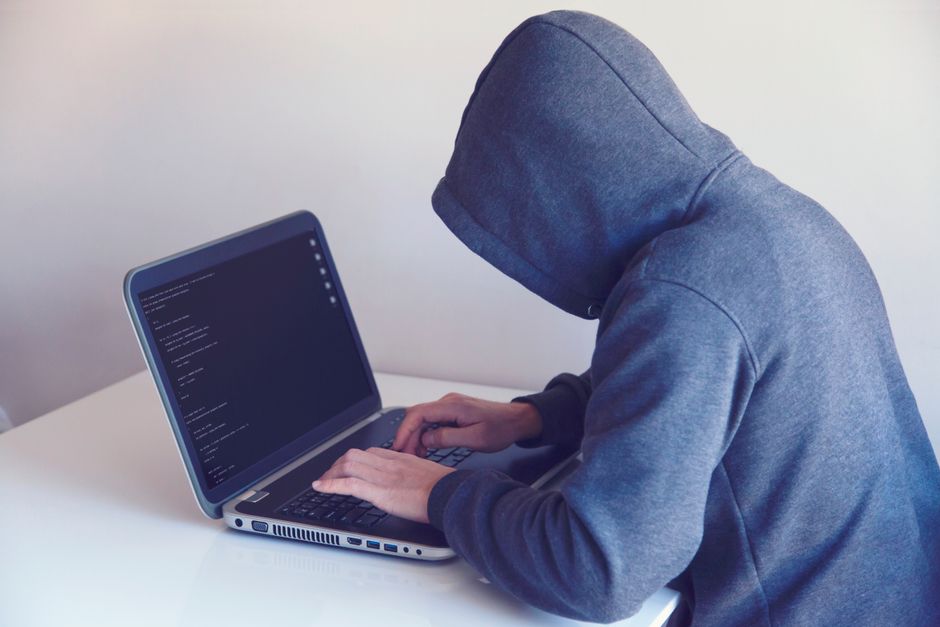
Imagine a world where your every move online is being watched, tracked, and potentially exploited. Sounds like a dystopian novel, right? Unfortunately, this is the reality we face today, and it's more alarming than you might think. As we navigate the vast expanse of the internet, we leave behind a trail of digital footprints that can be easily followed by malicious actors. Your internet service provider (ISP), government agencies, and cybercriminals can all access your online activities, putting your personal data, financial information, and even your identity at risk. The stakes are high, and the consequences can be devastating. This is where a Virtual Private Network (VPN) comes into play, acting as a shield between you and the prying eyes of the digital world.
The concept of online safety has become a pressing concern in recent years, with the rise of cyberattacks, data breaches, and surveillance. It's no longer just about protecting your personal data; it's about safeguarding your freedom and autonomy in the digital realm. The internet, which was once hailed as a symbol of liberation and connection, has become a double-edged sword. On one hand, it offers unparalleled access to information and opportunities; on the other, it exposes us to unprecedented risks. The line between the physical and digital worlds is becoming increasingly blurred, and our online activities have real-world consequences. It's time to take a step back and assess the risks we face online, and that's exactly what we'll be doing in this article.
Unveiling the Hidden Dangers of the Internet
When you connect to the internet without a VPN, you're essentially broadcasting your location, device information, and browsing habits to the world. Your ISP can see every website you visit, every file you download, and every message you send. This information can be used to create detailed profiles about you, which can then be sold to advertisers, data brokers, or even used for more nefarious purposes. But that's not all - your online activities can also be intercepted by hackers, who can use this information to launch targeted attacks against you. It's a ticking time bomb, waiting to unleash a world of trouble upon you. The question is, are you prepared to face the consequences?
The importance of online security cannot be overstated. In today's digital landscape, it's not just about protecting your data; it's about protecting yourself. Cyberattacks can have serious real-world implications, from financial loss to reputational damage. The rise of social media has created new avenues for cyberbullying, harassment, and even identity theft. The internet, which was once a place of anonymity and freedom, has become a minefield of risks and threats. It's time to take a proactive approach to online security, and that's where a VPN comes in. By encrypting your internet traffic and masking your IP address, a VPN can provide a safe and secure environment for you to browse the internet, free from the prying eyes of hackers, governments, and advertisers.
The Anatomy of a Cyberattack
A cyberattack can take many forms, from phishing scams to malware infections. But at its core, it's all about exploiting vulnerabilities in your online defenses. Hackers use sophisticated tools and techniques to identify weaknesses in your system, which can then be used to launch a targeted attack. This can include stealing sensitive information, hijacking your device, or even using your computer as a botnet to launch further attacks. The consequences can be devastating, from financial loss to reputational damage. But with a VPN, you can significantly reduce the risk of a cyberattack. By encrypting your internet traffic and masking your IP address, you can make it much harder for hackers to identify and exploit vulnerabilities in your system.
The statistics are alarming. According to recent reports, the number of cyberattacks has increased by over 50% in the past year alone. This is a staggering figure, and it highlights the urgent need for online security. But it's not just the frequency of cyberattacks that's concerning; it's also the sophistication and complexity of these attacks. Hackers are using increasingly advanced tools and techniques to launch targeted attacks, making it harder for individuals and businesses to protect themselves. This is where a VPN comes in - by providing a robust and secure environment for online activities, you can significantly reduce the risk of a cyberattack and protect yourself from the ever-present threats of the digital world.
"The internet is a dangerous place, and it's getting worse by the day. Cyberattacks are becoming more sophisticated, and the stakes are higher than ever. It's time for individuals and businesses to take a proactive approach to online security, and that includes using a VPN." - John Smith, cybersecurity expert
The benefits of using a VPN are numerous. Not only can it protect you from cyberattacks and data breaches, but it can also provide a secure and private environment for online activities. With a VPN, you can browse the internet without worrying about being tracked or monitored. You can access geo-restricted content, bypass censorship, and even protect yourself from ISP throttling. The possibilities are endless, and the benefits are well worth the investment. But with so many VPNs on the market, it can be hard to know which one to choose. That's why it's essential to do your research, read reviews, and look for a VPN that meets your specific needs and requirements.