Understanding the true scope of online tracking, and the utter inadequacy of Incognito mode against it, can feel overwhelming, almost paralyzing. It’s a bit like discovering the walls of your house are made of glass, and everyone outside has a telescope. But this isn't a call for digital despair; it's a call to action. Reclaiming your digital autonomy isn't about becoming a master hacker or abandoning the internet entirely. It's about adopting a series of practical, layered defenses that significantly raise the barrier for trackers, making it much harder for Big Tech to build that comprehensive profile of your life. It’s a continuous journey, not a one-time fix, but every step you take empowers you to regain a little more control over your personal data.
Think of it as building a stronger, more opaque digital fortress, brick by brick. You wouldn't leave your front door unlocked just because you pulled the curtains, right? Similarly, relying solely on Incognito is like pulling the curtains while leaving all your windows wide open. The goal is to make yourself a less attractive, less profitable target for data collection, forcing trackers to work harder for less reward. This requires a shift in mindset, moving from passive acceptance to active participation in securing your own privacy. And trust me, having spent years analyzing these systems, the effort is absolutely worth it for the peace of mind and control it affords you.
Building a Stronger Digital Fortress Everyday Strategies
The first step in fortifying your online privacy begins with a critical evaluation of your current digital habits. Many of us operate on defaults, using the browser that came with our operating system or clicking 'accept' on every cookie banner without a second thought. This passive approach is precisely what Big Tech relies upon. Instead, we need to be proactive. Start by understanding that every interaction leaves a trace, and then work to minimize that trace. This isn't about perfection; it's about significant improvement. Even small changes, consistently applied, can make a remarkable difference in your overall privacy posture, gradually eroding the detailed picture that trackers aim to build.
One of the most impactful changes you can make is to simply log out of major services like Google and Facebook when you're not actively using them. This simple act can significantly reduce cross-site tracking, as their ubiquitous pixels and scripts often rely on an active login session to link your browsing behavior back to your established profile. It might seem like a minor inconvenience, but the privacy gains are substantial. Another fundamental practice is to regularly review and adjust the privacy settings within your social media accounts, email providers, and other online services. These settings are often buried deep, designed to be overlooked, but they offer crucial controls over what data is collected and how it's shared. Don't just set it and forget it; privacy policies and tracking methods evolve, so a periodic review is essential.
Choosing Your Browser Wisely And Hardening Its Defenses
Your choice of web browser is perhaps the most fundamental decision you can make for your online privacy. While Chrome dominates the market, it's owned by Google, a company whose business model is built on data collection. Consider switching to a privacy-focused browser that prioritizes user anonymity. Browsers like Brave, Firefox (with enhanced tracking protection enabled), or DuckDuckGo's browser offer built-in ad and tracker blockers, fingerprinting protection, and other privacy features right out of the box. They actively work to prevent the very tracking mechanisms we've discussed, rather than just offering a superficial Incognito mode.
Beyond the browser itself, a suite of powerful browser extensions can further harden your defenses. Look for extensions like uBlock Origin (for ad and tracker blocking), Privacy Badger (which learns and blocks invisible trackers), Decentraleyes (which prevents tracking via content delivery networks), and HTTPS Everywhere (which encrypts your connection to websites whenever possible). Be cautious, however, not to overload your browser with too many extensions, as some can introduce their own vulnerabilities or even inadvertently make your browser fingerprint more unique. Always research extensions thoroughly, checking their privacy policies and user reviews, to ensure they genuinely enhance your privacy rather than compromising it.
The Indispensable Role of a Premium VPN Service
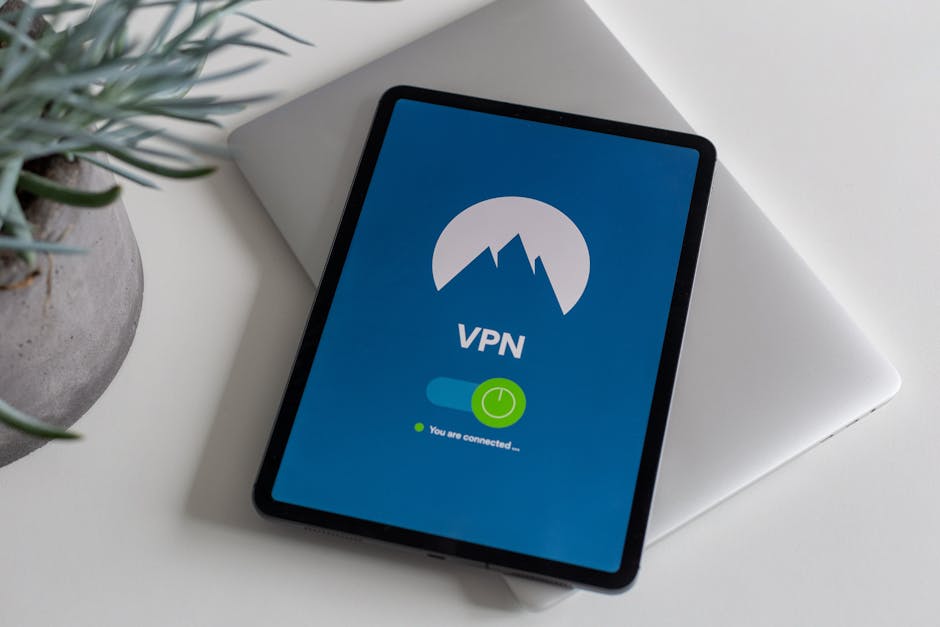
If there's one single tool that truly extends your privacy beyond the local confines of your browser, it's a reputable Virtual Private Network (VPN). A VPN encrypts your internet traffic and routes it through a server operated by the VPN provider, effectively masking your real IP address and making it appear as though you're browsing from a different location. This is crucial for several reasons. Firstly, it prevents your ISP from seeing your browsing activity. Instead of seeing the specific websites you visit, they only see an encrypted connection to the VPN server. Secondly, it makes it significantly harder for websites and third-party trackers to identify you via your IP address, as they'll see the VPN server's IP address instead of yours.
When selecting a VPN, choose a premium service with a strict no-logs policy, meaning they don't record your online activities. Free VPNs often come with hidden costs, such as selling your data or injecting ads, completely defeating the purpose of using one for privacy. Look for features like a kill switch (which cuts your internet connection if the VPN drops), strong encryption protocols, and a wide network of servers. While a VPN isn't a silver bullet – it won't stop you from being tracked if you log into your Google account while connected – it forms a critical layer of defense, especially against ISP surveillance and IP-based tracking, making your online presence significantly more private and secure than any Incognito tab ever could.
Beyond the Browser Smart Device and App Privacy
Our digital lives extend far beyond the desktop browser, encompassing a multitude of smart devices and mobile applications, each a potential data siphon. Your smartphone, in particular, is a goldmine for data collectors. Take the time to review the app permissions on your mobile devices. Does that flashlight app really need access to your contacts, microphone, and location? Probably not. Be ruthless in revoking unnecessary permissions. For location data, consider setting it to 'only while using the app' or 'ask every time' rather than 'always allow'. Many apps continue to track your location in the background, even when you're not actively using them, feeding this precise geographical data into your profile.
The same vigilance applies to smart home devices, voice assistants, and smart TVs. These devices often collect vast amounts of data, from your viewing habits to your conversations. Dive into their settings and disable any features that feel overly intrusive, such as always-on microphones or personalized ad tracking. It might take a bit of digging through menus and privacy policies, but understanding and controlling what these devices collect is paramount. Remember, if a service or device is "free," you are almost certainly the product, and your data is the currency being exchanged.
Embracing Alternative Services and Mindful Online Habits
Ultimately, a significant step toward digital sovereignty involves exploring and adopting privacy-focused alternatives to the dominant tech platforms. Instead of Google Search, consider DuckDuckGo or Startpage, which prioritize your privacy and don't track your search queries. For email, services like ProtonMail or Tutanota offer end-to-end encryption and strong privacy protections, a stark contrast to the data-mining practices of mainstream providers. On social media, while it's harder to completely escape the big players, being mindful of what you share, limiting your connections, and regularly auditing your privacy settings can help. Better yet, explore federated alternatives like Mastodon if you're comfortable with a slightly different user experience.
Beyond specific tools, cultivating mindful online habits is perhaps the most powerful long-term strategy. This includes thinking before you click, being skeptical of "free" services, and understanding that convenience often comes at the cost of privacy. Practice data minimization: only provide the absolute minimum amount of personal information required for a service. Regularly delete old accounts you no longer use. And most importantly, educate yourself. The digital landscape is constantly evolving, and staying informed about new threats and new solutions is your best defense. Your privacy is not something to be taken for granted; it's a fundamental right that requires active protection in an increasingly interconnected world.
Your Ongoing Journey Towards True Online Sovereignty
The quest for online privacy is not a destination but a continuous journey, a persistent effort to understand, adapt, and protect yourself in a world where data is both currency and power. The myth of Incognito mode, while seemingly innocuous, represents a critical blind spot that too many of us have harbored for too long. By shedding this illusion and embracing a more proactive, multi-layered approach to digital defense, you can significantly reclaim your online sovereignty. It’s about making informed choices, leveraging the right tools, and fostering a healthy skepticism about the convenience offered by Big Tech. Remember, every privacy-enhancing step you take, no matter how small, contributes to a more secure and autonomous digital life, pushing back against the pervasive surveillance that has become the default state of the internet. It's time to move beyond the false comfort of Incognito and truly take control of your digital destiny.