As we delve deeper into the intricacies of our online privacy score, it becomes increasingly clear that the threat to our personal information isn't confined to the obvious arenas of social media or web browsing. A new frontier of data collection, often overlooked by the average consumer, has emerged with the proliferation of smart devices and the Internet of Things (IoT). These seemingly innocuous gadgets, designed to make our lives more convenient, are in fact sophisticated data collection points, constantly listening, watching, and transmitting information about our most private spaces and habits. From smart speakers in our living rooms to connected cars in our driveways, these devices are weaving an ever-tighter web of surveillance, often without our full understanding or consent, adding crucial layers to the already expansive digital portrait of our lives.
The promise of the smart home, where every appliance and gadget communicates seamlessly, offering unparalleled convenience and efficiency, has captivated millions. Yet, beneath this shiny veneer of technological advancement lies a significant privacy conundrum. These devices, embedded with sensors, microphones, and cameras, are designed to gather data about our environment and our interactions with it. While this data is often framed as necessary for improving functionality or providing personalized experiences, it also represents a continuous stream of highly intimate information flowing back to manufacturers and, potentially, to third parties. The question isn't just what data they collect, but who has access to it, how it's stored, and what safeguards are in place to protect it from misuse or breaches. For many, the convenience often outweighs the perceived privacy risk, leading to a widespread adoption of technologies that fundamentally alter the privacy landscape of our homes.
The Eavesdropping Appliances in Your Home
Smart speakers, such as Amazon Echo or Google Home, are perhaps the most prominent examples of IoT devices that raise significant privacy concerns. Designed to respond to voice commands, these devices are equipped with always-on microphones, constantly listening for their "wake word." While manufacturers assure us that recordings are only sent to the cloud after the wake word is detected, numerous incidents have revealed that these devices can and do record conversations unintentionally, sometimes even sending them to human reviewers for "quality control" purposes. Imagine intimate family discussions, private medical conversations, or even sensitive business calls being inadvertently captured and potentially analyzed by unknown entities. The sheer presence of an always-listening device in the most private spaces of our homes fundamentally shifts the dynamics of personal privacy, turning our living rooms into potential surveillance zones.
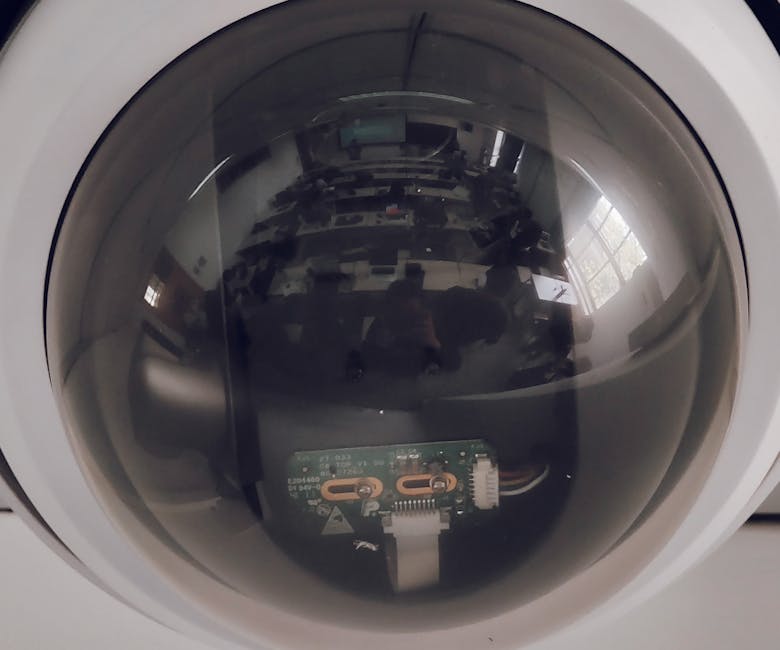
Beyond smart speakers, the ecosystem of connected devices in a modern home is vast and growing. Smart TVs often come equipped with microphones and cameras, capable of tracking viewing habits, listening to conversations, and even identifying individuals in the room. Smart thermostats learn your daily routines and preferences, revealing when you're home or away. Smart security cameras, while offering peace of mind, also provide a continuous visual feed of your home and its surroundings, potentially vulnerable to hacking. Even smart light bulbs and smart plugs can track usage patterns, revealing when you're awake, asleep, or out of the house. Each of these devices, individually, might seem minor, but collectively, they paint an incredibly detailed picture of your daily life, your habits, and your presence within your own home, further enriching the data profiles held by strangers.
The data collected by these devices is not always stored securely, nor is its usage always transparent. Many manufacturers embed tracking technologies that send data back to third-party advertisers or data brokers. A smart vacuum cleaner, for instance, might map the layout of your home, and that map data could theoretically be shared or sold. A smart toothbrush could track your brushing habits and infer oral health issues. The lack of robust regulation and industry standards means that consumers are often left in the dark about the true extent of data collection and sharing. This creates a significant vulnerability, as a single compromised smart device could potentially expose an entire household's worth of private information, providing a stranger with an unprecedented level of insight into your personal life, often without any direct interaction from your side.
Connected Cars A New Frontier of Mobile Surveillance
The privacy implications extend far beyond the confines of our homes, reaching into our vehicles as well. Modern cars are increasingly becoming rolling computers, equipped with dozens of sensors, cameras, microphones, and connectivity features. These "connected cars" collect an astonishing amount of data: your driving habits (speed, braking patterns, routes taken), your location history, your infotainment system usage (what music you listen to, who you call), and even diagnostic information about the car's performance. This data is often transmitted back to manufacturers, telematics providers, and potentially, insurance companies, all with the stated goal of improving services, enhancing safety, or offering personalized experiences.
"Your car is a giant computer on wheels, and it's collecting more data about you than your smartphone. The road isn't just a path anymore; it's a data superhighway." - John Davisson, Senior Counsel at Electronic Privacy Information Center (EPIC).
The sheer volume and sensitivity of data collected by connected cars present a significant privacy challenge. Your car knows where you live, where you work, where you shop, where you socialize, and even the frequency of your visits to specific locations like doctor's offices or places of worship. This location data, when aggregated over time, can reveal incredibly intimate details about your daily routines and personal life. Furthermore, features like built-in microphones for voice commands or in-car cameras for driver monitoring could potentially record conversations or visual information within the vehicle, raising concerns about surveillance within what was once considered a private space. The potential for this data to be misused, hacked, or sold to third parties, such as law enforcement, advertisers, or even divorce lawyers, is a tangible and growing threat.
The lack of transparency regarding data collection practices in connected cars is particularly alarming. Consumers often have little to no control over what data is collected, how it's used, or who it's shared with. The terms of service are typically buried in lengthy agreements that few drivers read, effectively granting manufacturers broad rights to collect and monetize their driving data. This means that your "privacy score" is not just being calculated based on your online activities, but also on your physical movements and behaviors, captured by the very devices designed to transport you. The rapid expansion of IoT devices and connected vehicles underscores the urgent need for greater consumer awareness, robust privacy regulations, and stronger security measures to protect our personal information from being continuously harvested by the myriad of smart devices that have become an integral part of our daily lives.