As we near the culmination of our journey into online anonymity, it becomes clear that deleting your digital footprint isn't a single event but a continuous commitment. The digital landscape is ever-evolving, and maintaining a private life in a world that thrives on data collection requires a shift in mindset – a move from passive acceptance to active vigilance. This final section isn't about grand conclusions; it's about providing you with a sustainable framework for living a private life online, equipping you with the ongoing strategies, nuanced considerations, and a philosophical approach to navigating the internet with greater control and confidence. It’s about understanding that anonymity is a spectrum, and every conscious choice contributes to a more secure and private digital existence.
Here, we will move beyond the initial purge and delve into the habits, tools, and deeper insights that will allow you to sustain your anonymity journey. We’ll discuss the art of conscious sharing, the often-overlooked intersections of physical and digital privacy, and how to stay informed about the latest threats and privacy-enhancing technologies. My goal is to empower you not just with a checklist of actions, but with a renewed sense of agency over your personal data, transforming you into a proactive guardian of your digital self. This is about building a resilient privacy posture, one that adapts to new challenges and continuously reinforces your personal boundaries in an increasingly interconnected world.
A New Approach to Online Identity Crafting Your Digital Personas
One of the most powerful long-term strategies for managing your digital footprint and enhancing anonymity is to fundamentally rethink your approach to online identity. Instead of operating with a single, monolithic digital self that links all your activities, consider creating separate, compartmentalized digital personas for different aspects of your online life. This isn't about deception, but about strategic separation and risk mitigation. Just as you might have different outfits for work, social events, and relaxing at home, your online presence can benefit from distinct identities that prevent cross-referencing and limit the amount of data that can be aggregated about your core self. This approach helps to fragment your data trail, making it much harder for data brokers and trackers to build a comprehensive profile of you.
For instance, you might maintain a "professional" persona for LinkedIn, work-related emails, and industry forums, ensuring that this identity is strictly curated and devoid of personal details not relevant to your career. Simultaneously, you could cultivate a "personal" persona for close friends and family on a private social media platform, using a different email address and pseudonym where appropriate. For more anonymous activities, such as commenting on news articles, participating in niche forums, or exploring sensitive topics, a completely separate, highly anonymous persona, perhaps using a Tor browser and a ProtonMail account, would be ideal. The key is to avoid linking these personas through shared email addresses, phone numbers, unique usernames, or even similar posting styles. Each persona acts as a silo, containing its own set of data and preventing information bleed across different contexts.
This strategic compartmentalization extends to your physical world interactions as well. When signing up for loyalty programs, online contests, or services that demand personal information, consider using temporary email addresses (like those provided by SimpleLogin or AnonAddy), virtual phone numbers, or even carefully chosen pseudonyms where legally permissible and appropriate. The goal is to avoid giving out your real, persistent identifiers unless absolutely necessary. This mindful approach to identity management requires a conscious effort and a slight shift in habits, but the payoff in terms of reduced data leakage and enhanced privacy is substantial. It empowers you to participate in the digital world on your own terms, revealing only what you choose, to whom you choose, and when you choose, rather than having your entire digital life laid bare for anyone to piece together.
The Art of Conscious Sharing Thinking Before You Post
Beyond the technical tools and strategic identity management, a fundamental shift in your personal habits is crucial for sustaining your anonymity journey. This is "the art of conscious sharing" – a mindful approach to every piece of information you put out into the digital ether. In an age of instant gratification and constant connectivity, it's easy to thoughtlessly share details that can later contribute to your digital footprint in unforeseen ways. Every photo, every comment, every check-in, every reaction contributes to the mosaic of your online identity, and once it's out there, truly retracting it can be nearly impossible. Therefore, cultivating a habit of pausing and reflecting before you hit "post" is one of the most powerful privacy tools you possess, costing nothing but a moment of deliberation.
Consider the permanence of online content. What seems like a harmless joke or a casual photo today could be misinterpreted or used against you years down the line by a potential employer, a nosy acquaintance, or even a malicious actor. Think about the metadata embedded in your photos – geographical location, device type, date, and time – which can reveal more than the image itself. Be judicious about sharing your location, travel plans, or personal routines, as this information can be exploited by criminals. Furthermore, be mindful of what others share about you. Politely ask friends and family to refrain from tagging you in photos or mentioning sensitive details about your life online without your explicit permission. Educating your inner circle about the importance of digital privacy can create a protective buffer around your personal information, extending your privacy efforts beyond your own immediate actions.
Conscious sharing also involves understanding the privacy settings of every platform you use and regularly reviewing them, as these settings frequently change with updates. Default settings are almost always designed for maximum sharing, not maximum privacy. Take the time to understand who can see your posts, who can contact you, and what information is visible to the public. Embrace the concept of "least privilege" for your personal data: share the absolute minimum necessary information to achieve your goal, and only with the audience you intend. This isn't about becoming a digital hermit; it's about being intentional and strategic with your disclosures, exercising control over your personal narrative, and preventing the inadvertent leakage of information that could compromise your privacy or security. The power to control your digital footprint often begins with the simple act of thinking before you speak, or rather, before you post.
Physical World Privacy Intersections Safeguarding Your Offline Data
While our focus has largely been on online anonymity, it's crucial to recognize that our digital and physical lives are increasingly intertwined, with data flowing seamlessly between the two. Your efforts to delete your digital footprint online can be undermined by vulnerabilities in your physical world interactions. From smart home devices listening in on your conversations to public Wi-Fi networks tracking your movements, and even the biometric data collected by your own devices, the boundaries of privacy are constantly being tested. Understanding these intersections and taking proactive steps to protect your offline data is an essential, often overlooked, component of a comprehensive anonymity strategy.
Consider the proliferation of smart home devices: voice assistants like Amazon Echo or Google Home, smart doorbells, security cameras, and connected appliances. While offering convenience, these devices are essentially always-on microphones and cameras, constantly collecting data about your environment, habits, and conversations. Review their privacy settings meticulously, disable voice recordings where possible, and understand how their data is stored and used. For public Wi-Fi networks, always assume they are insecure and potentially monitored. Never conduct sensitive transactions or access private accounts on public Wi-Fi without a robust VPN activated. Even then, exercise caution, as "free Wi-Fi" often comes with hidden costs in the form of data collection and tracking, as network providers can monitor your browsing habits even if your data payload is encrypted.
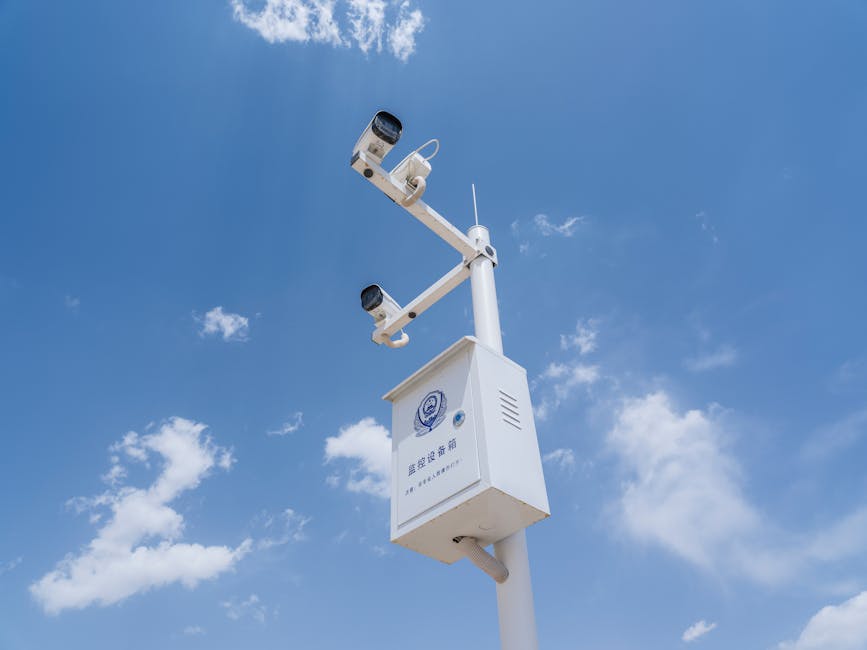
Furthermore, be aware of the biometric data collected by your own devices. Fingerprint scanners, facial recognition, and even heart rate monitors on smartwatches are generating unique identifiers that can be linked to your identity. Understand how this data is stored and secured on your device, and whether it’s shared with cloud services. The omnipresence of CCTV cameras in public spaces, license plate readers, and even digital signage that tracks foot traffic all contribute to a physical world data trail that can be correlated with your digital activities. While you can't control every camera, you can be mindful of your online sharing habits in relation to your physical whereabouts. This holistic approach, recognizing that privacy is a continuum extending from your deepest online interactions to your everyday movements, is vital for truly fortifying your personal boundaries and maintaining a meaningful level of anonymity in the modern world.
The Ongoing Battle for Privacy Advocacy and Awareness Sustaining Your Anonymity Journey
Achieving and sustaining online anonymity is not a destination but an ongoing journey, a continuous arms race against ever-evolving surveillance technologies and data collection practices. As individuals, our efforts to delete our digital footprints are powerful, but they are amplified when we also engage with the broader movement for digital rights and privacy advocacy. Staying informed about new legislation, supporting organizations dedicated to privacy, and educating others about the importance of digital self-defense are crucial elements of a long-term strategy for a more private future. It’s about recognizing that while personal action is vital, systemic change is often required to truly shift the balance of power back towards the individual.
Regularly update your knowledge about the latest privacy threats, data breaches, and technological advancements that impact your digital footprint. Follow reputable cybersecurity news outlets, privacy-focused blogs, and organizations like the Electronic Frontier Foundation (EFF) or Privacy International. Understand new consumer privacy laws in your region and globally, as these often grant you new rights to access, correct, or delete your personal data. These laws are your most powerful legal tools in the fight against pervasive data collection, enabling you to make demands of data brokers and tech giants that they are legally obligated to fulfill. Your knowledge empowers your action, making your efforts more effective and targeted.
Finally, embrace the mindset that anonymity is a continuous process requiring vigilance and adaptation. New apps, services, and devices emerge constantly, each with its own privacy implications. Regularly audit your digital presence, review your privacy settings, and reassess your use of online services. Don't be afraid to experiment with new privacy-enhancing tools or to make changes to your digital habits as new information comes to light. By staying informed, advocating for stronger privacy protections, and continually refining your personal strategies, you not only protect yourself but also contribute to a larger movement for a more private and secure internet for everyone. Your journey toward online anonymity is a powerful statement, a reclaiming of personal sovereignty in an increasingly data-driven world, and it's a journey worth embarking on with determination and an unwavering commitment to your digital self.