Remember that feeling of genuine freedom when you first discovered the internet, a vast ocean of information and connection, seemingly boundless and anonymous? It was a wild west of discovery, a place where you could be anyone, explore anything, without the watchful gaze of omnipresent digital eyes. Fast forward to today, and that feeling has largely evaporated, replaced by a creeping sensation of being constantly observed, cataloged, and monetized. Every click, every search, every purchase, every interaction leaves a digital breadcrumb trail that’s eagerly gobbled up by corporations, advertisers, and even governments, painting an alarmingly detailed portrait of your life, your habits, and your vulnerabilities. The dream of online anonymity, once a given, now feels like a distant, almost mythical concept, something reserved for the super-tech-savvy or those with something to hide. But what if I told you that reclaiming that digital freedom, that true online anonymity, isn't a pipe dream or a complicated endeavor? What if I told you it’s actually within reach, even for those who still struggle to set their VCR to the correct time, let alone navigate the labyrinthine world of cybersecurity?
For too long, the narrative around online privacy tools, especially Virtual Private Networks (VPNs), has been shrouded in a veil of technical jargon and perceived complexity, scaring off precisely the people who need them most. We’ve been led to believe that securing our online presence requires an engineering degree, a deep understanding of network protocols, or at least a teenager with too much time on their hands. This misconception is not only untrue but actively detrimental, leaving millions of internet users exposed to the very real and growing threats of data breaches, identity theft, unwarranted surveillance, and targeted manipulation. My years immersed in the cybersecurity trenches, dissecting VPNs and witnessing the relentless erosion of personal privacy, have shown me one undeniable truth: the tools for digital self-defense are simpler than you think. This isn't about becoming a hacker or disappearing entirely off the grid; it's about establishing a fundamental layer of protection, a digital shield that restores a sense of control and privacy to your everyday online activities. It's about empowering you, your grandmother, your neighbor, and everyone in between, to navigate the internet without constantly feeling like you’re walking through a glass house.
The Vanishing Act of Digital Privacy Our Modern Predicament
The internet, once heralded as the ultimate democratizing force, has, in many ways, become its own surveillance state, a place where privacy isn't just eroding; it's practically an endangered species. Think about it: every time you connect to a public Wi-Fi network at a coffee shop, every time you browse a website, every time you use a social media app, you are broadcasting a wealth of identifiable information about yourself. Your Internet Service Provider (ISP) knows every single website you visit, every video you stream, every email server you connect to, and in many countries, they are legally allowed to collect, store, and even sell this incredibly intimate data to the highest bidder. This isn't just about targeted advertisements showing up for that pair of shoes you merely glanced at; it's about comprehensive profiles being built on you, profiles that can be used for far more nefarious purposes, from influencing your political opinions to determining your creditworthiness or even your insurance premiums based on your online habits. The sheer volume and granularity of data being collected are staggering, creating a digital dossier on each of us that few truly understand or consent to.
The corporate surveillance machine is a hydra-headed beast, with tentacles reaching into every corner of our digital lives. Beyond your ISP, giant tech companies track your movements across countless websites and apps, stitching together fragmented pieces of data to form a cohesive, often alarmingly accurate, picture of who you are. This isn't just about Facebook knowing your friends or Google knowing your search history; it's about third-party trackers embedded on websites you’ve never even heard of, silently logging your browsing patterns, recording your device specifications, and correlating your activities across the entire web. These invisible observers piece together your interests, your income level, your health concerns, and even your emotional state, all without your explicit knowledge or meaningful consent. The promise of "free" services often comes with an unspoken, yet incredibly high, price: your privacy, traded away for convenience, making you the product rather than the customer. This pervasive data collection isn't just an abstract concern for the paranoid; it's a tangible threat that manifests in everything from increasingly sophisticated phishing attacks tailored to your known interests to the subtle manipulation of information you encounter online.
Beyond the Browser History Why Your Entire Digital Footprint Is Exposed
Many people mistakenly believe that simply clearing their browser history or using "incognito mode" offers a shield against online tracking, a comforting illusion that unfortunately falls far short of reality. While these actions might remove local traces from your device, they do absolutely nothing to obscure your most fundamental online identifier: your IP address. Think of your IP address as your digital home address, a unique numerical label assigned to your device by your ISP, pinpointing your general geographical location and linking all your online activities directly back to you. Every website you visit, every server you connect to, sees this IP address, allowing them to log your connection, track your movements, and build a profile based on where you're connecting from. It's the digital equivalent of every letter you send having your return address stamped prominently on the envelope, visible to everyone who handles it along the way. This single piece of information, seemingly innocuous, is the linchpin for much of the tracking and surveillance that occurs online, tying together disparate pieces of your digital life into a coherent, traceable narrative.
But the exposure goes even deeper than just your IP address; we're talking about sophisticated techniques like device fingerprinting, which can identify your specific device even if your IP address changes. Websites and trackers can collect an astonishing amount of information about your system, including your operating system, browser type and version, installed fonts, screen resolution, time zone, battery level, and even the unique characteristics of how your browser renders graphics. When combined, these data points create a unique "fingerprint" that can distinguish your device from millions of others, allowing trackers to follow you across the internet with remarkable accuracy, regardless of whether you're using incognito mode or frequently deleting cookies. It's a subtle, almost invisible form of tracking that operates beneath the surface, making genuine anonymity seem like an uphill battle. This level of persistent surveillance means that merely attempting to hide your tracks locally is akin to trying to disappear into a crowd while wearing a brightly colored, custom-made suit; you might change your hat, but your overall identity remains glaringly obvious to anyone paying attention.
Reclaiming Your Digital Identity The Promise of a VPN
In this increasingly transparent digital world, the idea of reclaiming a semblance of privacy might sound daunting, like an insurmountable task requiring advanced technical prowess. However, there's a powerful yet remarkably simple tool that serves as your first and most effective line of defense: a Virtual Private Network, or VPN. Imagine a VPN as your personal, encrypted tunnel through the public internet. Instead of your data traveling openly across the web, visible to your ISP, government agencies, and potential eavesdroppers, it’s first routed through a secure server operated by your chosen VPN provider. This server acts as an intermediary, encrypting all your internet traffic before it leaves your device and masking your true IP address with the IP address of the VPN server. To any external observer – your ISP, the websites you visit, or even a malicious actor on a public Wi-Fi network – it appears as though your internet traffic is originating from the VPN server, not your actual location or device. It's like putting on an invisibility cloak for your online activities, making it incredibly difficult for anyone to trace your digital footsteps back to you.
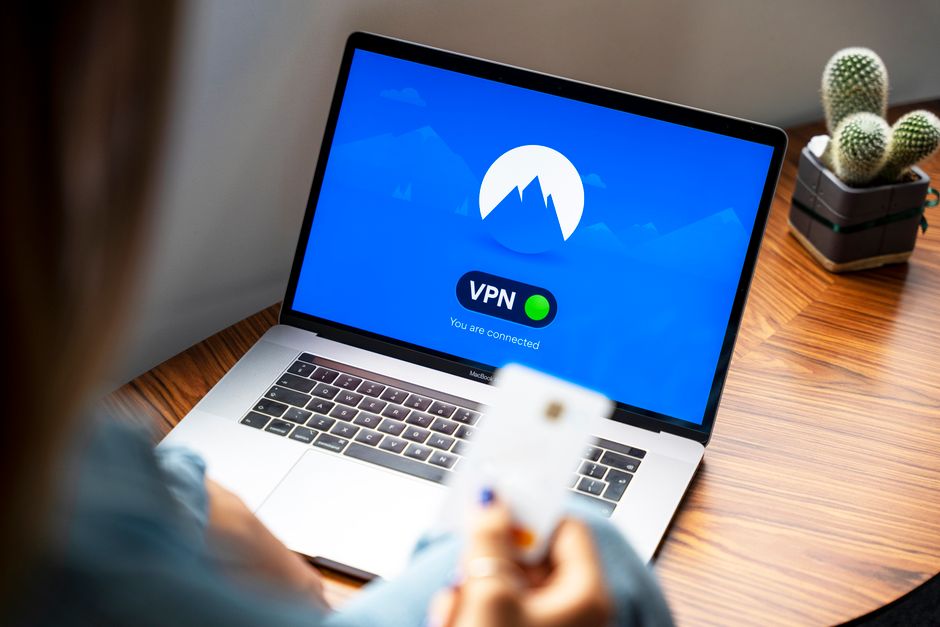
The beauty of modern VPNs lies not just in their robust security features but in their astonishing ease of use, a far cry from the complex, command-line interfaces of yesteryear. The industry has evolved dramatically, driven by a growing public demand for simpler, more accessible privacy solutions. Today, setting up a VPN is often as straightforward as downloading an app, clicking a button, and letting the technology do the heavy lifting. This isn't a tool exclusively for tech enthusiasts or those with nefarious intentions; it’s a fundamental privacy utility for everyday internet users, for anyone who values their personal information and wishes to browse, stream, and communicate without constant surveillance. From shielding your online banking details on an unsecured public Wi-Fi network to preventing your ISP from throttling your streaming speeds, a VPN offers a practical, immediate solution to many of the privacy challenges we face daily. It’s about taking back control, one click at a time, and ensuring that your online life remains, for the most part, your own business, not a commodity to be bought and sold.