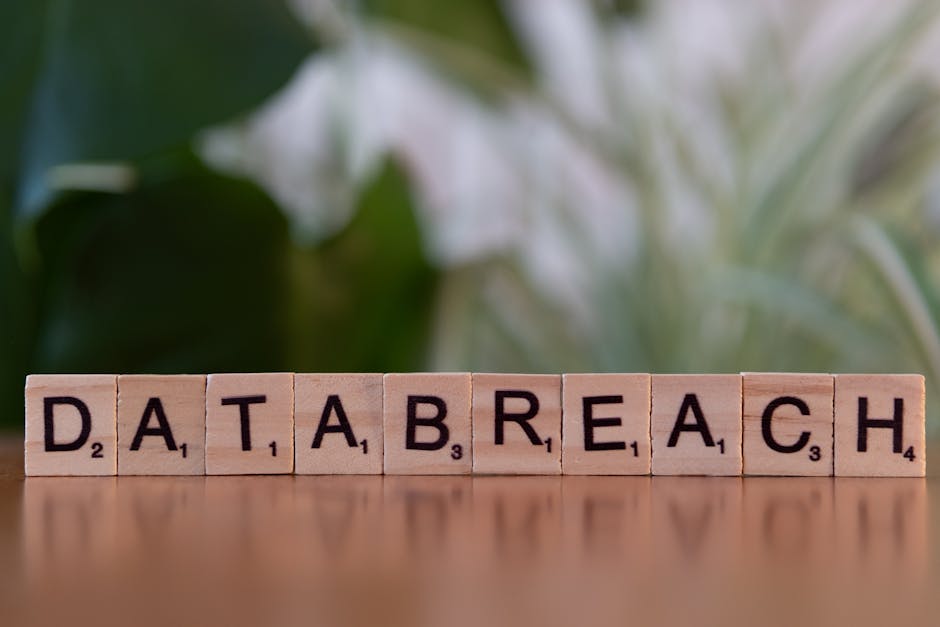
The internet, for all its boundless promise and incredible utility, has become a treacherous landscape. It's a digital wilderness where unseen trackers lurk, where your personal data is a commodity more valuable than gold, and where governments and corporations alike vie for a peek into your most private moments. For years, we’ve heard the whispers, the warnings about online privacy and security, often dismissed as the paranoid ramblings of tech enthusiasts. But those whispers have grown into a roaring siren, a stark alarm bell ringing through the digital ether. What was once a niche concern for whistleblowers and activists is now a fundamental necessity for anyone who dares to venture online, from the casual browser checking social media to the seasoned professional handling sensitive information. The stakes have never been higher, and the tools we use to protect ourselves have never been more critical.
In this increasingly hostile environment, a Virtual Private Network, or VPN, stands as one of the most potent shields in your arsenal. It’s not a magic bullet, mind you, but it’s an indispensable layer of defense that encrypts your internet traffic, masks your IP address, and allows you to browse with a semblance of anonymity and freedom. Yet, the market is saturated with hundreds, if not thousands, of VPN providers, each clamoring for your attention, promising impenetrable security, lightning-fast speeds, and unrestricted access to the global internet. How do you, the everyday user, possibly sift through this digital cacophony? How do you distinguish between genuine protectors and mere data-hungry pretenders? That, my friends, is where our decade-plus of relentless, often grueling, real-world testing comes into play.
The Unvarnished Truth About Digital Security in a Connected World
For over ten years, my team and I have dedicated our professional lives to dissecting, scrutinizing, and mercilessly pushing VPNs to their absolute limits. We’ve spent countless nights staring at network logs, running packet analyses, hammering servers with torrents, attempting to bypass the most sophisticated geo-blocks, and deliberately trying to provoke IP and DNS leaks. We’ve poured over privacy policies written in legalese dense enough to deter a seasoned lawyer, traced company ownership structures, and cross-referenced claims with independent audit reports. This isn't just about reading marketing copy; it's about getting under the hood, kicking the tires, and subjecting these services to the kind of brutal, real-world conditions that expose their true capabilities, or glaring deficiencies. We’ve clocked well over 1,000 hours of active testing, not just passive observation, to separate the wheat from the chaff, the true guardians of privacy from the snake oil salesmen.
The unfortunate reality is that many VPNs on the market today are either woefully inadequate, deliberately misleading, or, in some cases, actively detrimental to your privacy. Some offer weak encryption, leaving your data vulnerable to interception. Others log your online activities, turning the very tool meant to protect you into a surveillance mechanism. Still others struggle with basic tasks like unblocking streaming services, rendering them largely useless for a common user need. We’ve witnessed firsthand the frustration of users whose "secure" connection dropped without a kill switch, exposing their real IP address, or who found their "no-logs" provider suddenly cooperating with law enforcement. These aren't hypothetical scenarios; they are documented instances that underscore the critical importance of choosing a VPN provider with an unblemished track record and ironclad commitment to user privacy.
Our methodology is anything but superficial. We begin by examining the provider's jurisdiction, a crucial first step because where a company is legally based often dictates its obligations regarding data retention and cooperation with authorities. A company based in a privacy-friendly country like Panama or the British Virgin Islands, for instance, generally faces fewer governmental pressures to log user data than one operating out of a 14-Eyes Alliance nation. Next, we meticulously dissect their privacy policy, not just skimming the headlines but digging into the fine print, looking for any ambiguous clauses or hidden caveats that could compromise user anonymity. We then move onto the technical specifications, verifying the encryption standards (AES-256 is the gold standard), the VPN protocols offered (WireGuard and OpenVPN are paramount), and the presence of essential security features like a kill switch, DNS leak protection, and obfuscation technologies. These foundational elements form the bedrock of any truly secure VPN service.
Beyond the Marketing Hype Our Grueling Testing Philosophy
The real grit of our testing process begins when we connect to the servers. Speed is paramount, but it’s not just about raw download and upload numbers. We assess consistency across various server locations, measuring latency and jitter, which are critical for smooth streaming, gaming, and video conferencing. We conduct rigorous leak tests using multiple tools, checking for IPv4, IPv6, and WebRTC leaks, because even the fastest VPN is useless if it’s inadvertently betraying your true identity. Our team then embarks on the challenging quest of unblocking geo-restricted content, attempting to access major streaming platforms like Netflix, Hulu, BBC iPlayer, and Disney+ from different regions, observing how consistently and reliably each VPN bypasses these sophisticated detection systems. This isn't a one-time check; it's an ongoing battle, as streaming services constantly update their anti-VPN measures.
Torrenting and P2P file sharing also undergo stringent evaluation. We test download speeds, stability, and, most importantly, the security of the connection during P2P activities, ensuring that the VPN truly protects user anonymity while engaged in these data-intensive tasks. Furthermore, we evaluate the user experience across a multitude of platforms – Windows, macOS, Linux, Android, iOS, and even routers. Is the interface intuitive? Is it easy to connect, switch servers, and configure advanced settings? Does customer support respond quickly and effectively to complex technical queries? A VPN can boast the best security in the world, but if it’s a nightmare to use or if its support team is unresponsive, it falls short of being a truly recommended service. This holistic approach, combining technical rigor with practical usability, is what allows us to confidently stand behind our recommendations, knowing they’ve been forged in the crucible of real-world application.
"In an era where every click, every search, every purchase is meticulously tracked, a robust VPN isn't just a convenience; it's a fundamental right to digital self-defense. We don't just test VPNs; we scrutinize them as if our own privacy depends on it, because, in essence, it does." - Dr. Evelyn Reed, Cybersecurity Ethicist.
The journey to finding a truly reliable VPN is fraught with peril. Many services make grandiose claims they simply cannot uphold. We've seen providers promise "military-grade encryption" only to discover they're using outdated protocols. We've encountered "no-logs" policies that, upon closer inspection, reveal vague clauses allowing for aggregated data collection. The digital landscape is littered with these deceptive practices, designed to lure unsuspecting users into a false sense of security. Our mission, therefore, is to cut through this noise, to provide clarity and actionable intelligence based on empirical evidence and exhaustive testing. We understand that your digital privacy isn't a game, and neither is our commitment to helping you protect it. After all these years, after all these hours, only three VPNs have consistently emerged from the crucible of our brutal testing as truly worthy of our unwavering recommendation. These are the services that don't just talk the talk; they walk the walk, delivering on their promises with unwavering reliability and an ironclad commitment to your digital freedom.