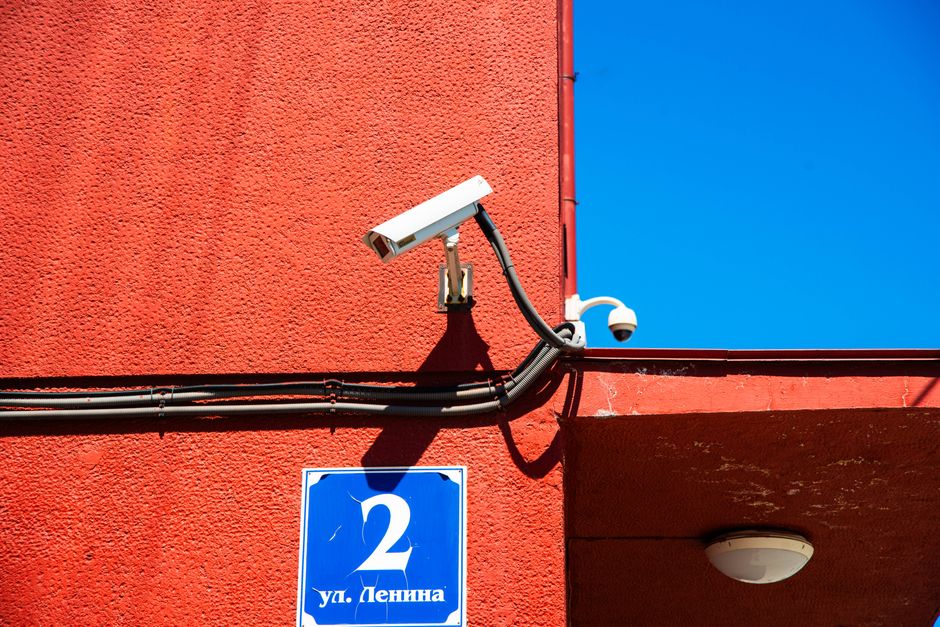
Having journeyed through the intricate landscape of digital surveillance, unmasked the pervasive data octopus, dissected the true capabilities and limitations of VPNs, and explored the legal and ethical nuances of online anonymity, we now arrive at the most crucial juncture: the actionable steps. This isn't about theoretical knowledge anymore; it's about rolling up your sleeves and implementing a robust strategy to truly disappear online. The goal isn't necessarily to become a phantom that leaves no trace, a feat that is incredibly difficult and often impractical for the average user, but rather to significantly reduce your digital footprint, obscure your identity from mass surveillance, and reclaim substantial control over your personal data. Think of it as constructing a multi-layered shield, each layer addressing a different vector of attack, moving you from being an open book to a well-guarded secret. This final blueprint consolidates all the knowledge we've gathered into a practical, step-by-step guide, designed to empower you to take back your online privacy in 2024 and beyond.
Remember, achieving genuine online anonymity is a continuous process, not a one-time setup. The digital world is constantly evolving, with new tracking methods emerging and privacy tools adapting in response. Therefore, the advice here should be seen as a living document, a foundation upon which you build and refine your personal privacy strategy over time. It requires vigilance, a willingness to adapt, and a commitment to digital hygiene. Don't feel overwhelmed by the sheer number of steps; even implementing a few of these changes can make a profound difference. Start with what feels manageable, and gradually integrate more advanced practices as you become more comfortable and knowledgeable. The most effective approach is often the one you can consistently maintain. Your journey to disappear online begins now, not with a single click, but with a series of deliberate, informed choices that collectively reshape your digital presence. Let's begin building your impenetrable digital fortress, brick by carefully considered brick.
Your Blueprint for Digital Vanishing Activating True Online Privacy
The very first step in any effective privacy strategy is to understand your current exposure. Before you can disappear, you need to know where you currently are. Begin by conducting a thorough audit of your existing digital footprint. Search for your name, email addresses, and phone number on Google and other search engines. Check social media platforms for old profiles you might have forgotten about. Use tools like Have I Been Pwned to see if your email addresses have been compromised in data breaches. Review the privacy settings on all your major accounts – Google, Facebook, Amazon, Apple, Microsoft, etc. – and tighten them as much as possible, opting out of personalized ads and data sharing where options exist. Delete old, unused accounts. This initial assessment will give you a clear picture of how much information about you is publicly available and how widely your data has been spread. It's often an eye-opening exercise, revealing just how much of our lives are out there for the taking, and it provides a clear starting point for remediation.
Once you have a handle on your current digital landscape, the next critical step is to choose and meticulously configure your Virtual Private Network. Revisit the criteria discussed earlier: audited no-logs policy, privacy-friendly jurisdiction, strong encryption (AES-256), robust protocols (OpenVPN, WireGuard), and essential features like a Kill Switch and DNS leak protection. Sign up for a reputable paid VPN service – remember, free VPNs are a trap. Install the VPN client on all your devices: desktop, laptop, smartphone, and even configure it on your router if your device supports it, to protect all devices on your home network. Always ensure the Kill Switch is enabled. Select a server location strategically; for general privacy, a country with strong privacy laws is a good choice. For bypassing geo-restrictions, pick a server in the desired region. Make connecting to your VPN a default habit; it should be the first thing you do when you go online, ensuring that your IP address is masked and your traffic encrypted from the moment you hit the internet. This fundamental layer of protection must be consistently applied.
Your browser is the primary window to the internet, and therefore, a major source of data leakage. To mitigate this, adjust your browser settings to prioritize privacy. Disable third-party cookies by default in your browser’s settings; this significantly reduces cross-site tracking. Enable "Do Not Track" requests, though be aware that many websites ignore this. More effectively, switch to a privacy-focused browser like Brave, Firefox (hardened with extensions), or LibreWolf. Install essential browser extensions such as uBlock Origin to block ads and trackers, Privacy Badger to detect and block invisible trackers, and Decentraleyes to prevent tracking via CDNs. Regularly clear your browser’s cache and cookies, or configure your browser to do so automatically upon exit. For truly sensitive activities, consider using the Tor Browser, always ensuring your VPN is connected first (Tor over VPN). These steps collectively create a much more private browsing environment, actively preventing the collection of your behavioral data at the point of interaction, and denying trackers the very crumbs they seek to follow.
Cultivating a Privacy-First Digital Lifestyle Essential Shifts
Beyond technical configurations, cultivating a privacy-first digital lifestyle involves making conscious choices about the services you use. Migrate your email communications to secure, end-to-end encrypted providers like ProtonMail or Tutanota. These services ensure that your messages are private and unreadable to anyone but the intended recipient. Similarly, switch your instant messaging from data-hungry platforms like WhatsApp to privacy-focused alternatives like Signal, which offers robust end-to-end encryption for all communications. For search, abandon Google and adopt privacy-respecting search engines such as DuckDuckGo or Startpage, which do not log your search queries or build user profiles. These shifts are not just about using different tools; they are about actively opting out of the surveillance economy and choosing services that align with your privacy values, thereby reducing the amount of data you passively contribute to the vast digital ecosystem. It's a deliberate act of digital self-determination.
Your passwords are the keys to your digital kingdom, and strong, unique passwords for every account are non-negotiable. Use a reputable password manager (e.g., Bitwarden, KeePassXC) to generate and store complex, unique passwords, eliminating the need to remember them all. Enable two-factor authentication (2FA) on every account that offers it, preferably using authenticator apps (like Authy or Google Authenticator) or hardware security keys (like YubiKey) over SMS-based 2FA, which is vulnerable to SIM-swapping attacks. Be mindful of what you share online; assume anything you post publicly can and will be seen, stored, and potentially used against you. Regularly review and revoke app permissions on your smartphone and other devices, ensuring that apps only have access to what they absolutely need. This continuous process of digital hygiene is crucial for maintaining your privacy over the long term, protecting your accounts from unauthorized access and limiting the data that can be correlated back to you.
For those seeking the highest levels of anonymity, consider creating a separate "privacy persona" for sensitive online activities. This involves using entirely separate email addresses (from secure providers), pseudonyms, and even virtual payment methods if absolute unlinkability to your real identity is required. This persona should have no connection to your real name, existing social media profiles, or any other personally identifiable information. For extreme cases, exploring live operating systems like Tails OS, which runs from a USB drive and routes all traffic through Tor, leaving no trace on the host computer, can provide unparalleled anonymity. These advanced tactics are not for everyone, but they represent the pinnacle of digital vanishing for those whose safety or profession demands it. The journey to disappear online is a deeply personal one, a continuous commitment to reclaiming your digital autonomy in an increasingly monitored world. By implementing these practical steps, you are not just using technology; you are actively shaping your digital future, asserting your right to privacy, and moving towards a more anonymous and free online existence, one deliberate action at a time. The power to vanish, to reclaim your digital self, is now firmly within your grasp.