Embarking on Your Digital Disappearance The Preparation Phase
Taking the plunge to erase yourself from the internet, or at least significantly reduce your digital footprint, is an empowering decision, but it’s one that requires preparation, patience, and a strategic mindset. Think of it less as a sprint and more as a marathon, a sustained effort that will yield tangible results over time. Before you dive headfirst into sending opt-out requests and deleting old accounts, it’s crucial to lay some groundwork that will not only make the process smoother but also help you maintain your newfound privacy in the long run. One of the first, and arguably most important, steps is to adopt a robust password manager. Trying to manage dozens, if not hundreds, of unique, complex passwords for all your online accounts manually is an exercise in futility and a security risk. A good password manager will securely store these credentials, generate strong new ones, and even help you identify accounts you might have forgotten about, which is invaluable for a comprehensive cleanup. This foundational tool will be your command center, ensuring that as you access and modify various accounts, your security remains uncompromised and efficient.
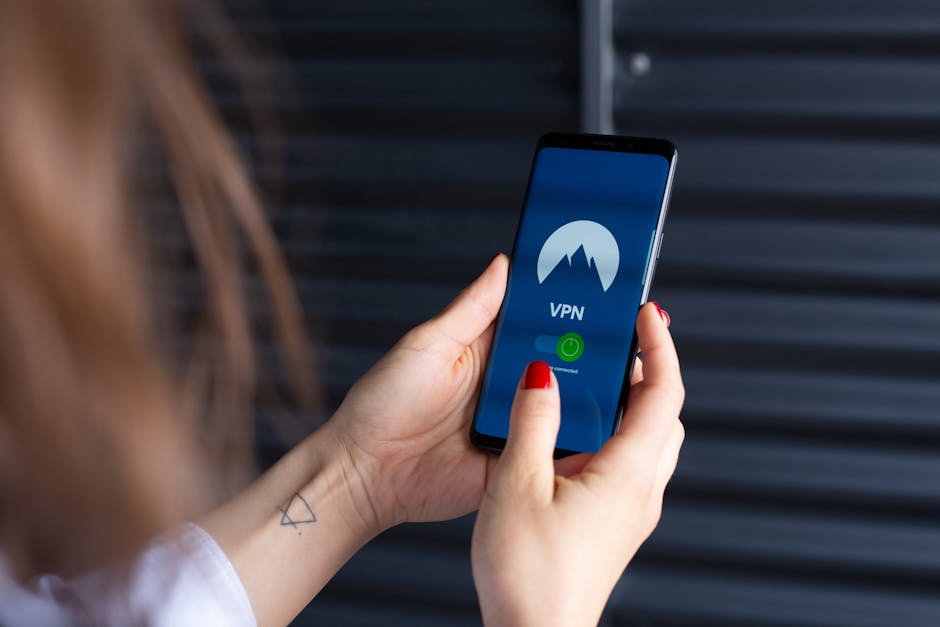
Next, consider establishing a dedicated email address specifically for this digital detox project. This isn't necessarily a new primary email, but rather an address you can use to sign up for privacy services, communicate with data brokers, and receive confirmation emails for account deletions. It helps keep your primary inbox clean and organized, and more importantly, it creates a clear separation between your everyday digital life and your privacy reclamation efforts. You might also want to set up an alias or a temporary email service for less critical sign-ups in the future, preventing new data from accumulating. While you’re at it, it’s wise to invest in a reliable Virtual Private Network (VPN) if you haven’t already. A VPN encrypts your internet connection and masks your IP address, making it significantly harder for websites and data brokers to track your online activities and pinpoint your physical location. It's a proactive shield that helps prevent new data from being collected about you as you navigate the internet during your cleanup and beyond. Think of it as putting on a digital disguise before stepping out into the bustling online marketplace.
Finally, gather your existing information. This might sound counterintuitive, but to remove your data, you first need to know what data is out there. Create a spreadsheet or a simple document where you can list all the online accounts you can remember, old email addresses, phone numbers you’ve used, and any variations of your name (e.g., maiden names, nicknames) that might appear online. This inventory will serve as your roadmap. You’ll also want to consider what specific pieces of information you are most concerned about removing – perhaps an old forum post from your teenage years, an outdated address, or sensitive professional details. Having a clear objective will help you prioritize your efforts. It’s also important to set realistic expectations; achieving complete digital anonymity is an incredibly difficult, almost impossible, feat in our hyper-connected world. However, significantly reducing your digital footprint, making it much harder for data brokers to profit from your information, and reclaiming a substantial degree of privacy is absolutely achievable. This preparation phase isn't just about tools; it's about mentally preparing for a sustained, methodical campaign to reclaim your digital self.
Systematically Severing Your Digital Ties A Multi-Front Assault
With your preparations in place, it’s time to launch a multi-front assault on your digital presence, systematically severing ties and reclaiming ownership of your online identity. This isn't a single action, but a series of deliberate steps targeting different facets of your digital life. The first major battleground is your social media footprint. We’ve all been there: signing up for a new platform on a whim, posting embarrassing photos from college, or sharing opinions that no longer reflect our current views. Start by auditing every social media account you've ever created – Facebook, Instagram, Twitter, LinkedIn, Pinterest, TikTok, even defunct platforms like MySpace or Google+. For each active account, delve deep into the privacy settings. Restrict who can see your posts, untag yourself from photos, review past check-ins, and disable location tracking. Crucially, remove third-party app permissions; many apps you’ve granted access to your social media profile might still be collecting data in the background. For accounts you no longer use, the best course of action is outright deletion. This often requires navigating through convoluted settings, but persistence here is key. Remember, simply deactivating an account might not delete your data; look for the "permanently delete" option. This step alone can significantly reduce the amount of personal data available for scraping and aggregation by data brokers, as social media platforms are rich sources of demographic and psychographic information.
Reining in Your Social Media Footprint
The journey to a cleaner digital slate truly begins with a meticulous examination of your social media presence, a domain where personal data is often shared with a casualness that belies its true value to brokers. Beyond the obvious platforms like Facebook and Instagram, think about all the niche forums, defunct social networks, and even gaming communities you’ve joined over the years. Each one is a potential repository of personal information. For every active account, dedicate significant time to reviewing privacy settings, often buried several layers deep within menus. Adjust visibility settings so that only friends or trusted connections can see your posts, photos, and personal details. Untag yourself from any photos where you are identifiable, especially those from years past that might contain outdated or sensitive information. It’s also critical to review and revoke permissions for all third-party apps that have access to your social media profiles. Many seemingly innocuous apps, from quizzes to games, are designed specifically to harvest data from your profile and your friends' profiles, feeding it directly into the data broker ecosystem. By systematically revoking these permissions, you cut off a major pipeline of information, preventing further unauthorized data collection.
For accounts that you no longer actively use, or those that simply serve no current purpose, the most effective strategy is permanent deletion. Be wary of "deactivation" options, as these often merely hide your profile while retaining all your data on the platform’s servers, ready to be reactivated or, more critically, still potentially accessed by data brokers with existing agreements. Seek out the explicit "permanently delete account" option, which usually involves a confirmation period before irreversible removal. This process can be tedious, especially for older platforms with less intuitive interfaces, but the effort is well worth it. Consider accounts on platforms like MySpace, Google+, LiveJournal, or even forgotten forums from past hobbies; these archives, though seemingly dormant, can still contain valuable data points about your identity, interests, and past associations. Removing these relics is akin to closing old, forgotten doors that data brokers might otherwise exploit to piece together a more complete, and potentially damaging, profile of your past and present self. This comprehensive social media purge is a critical step in reducing the surface area of your digital exposure, making you less visible and less valuable to the unseen forces that profit from your information.
Wrestling Control of Your Email and Online Accounts
Your email addresses and the myriad of online accounts tied to them are another major front in your digital detox. Start by identifying all the email addresses you’ve ever used – primary, secondary, and even those throwaway accounts from years ago. Each one is a potential key to unlocking more of your personal data. For your active primary email, ruthlessly unsubscribe from every newsletter, marketing list, and promotional email you no longer wish to receive. Use services like Unroll.me (with caution, as it requires access to your inbox) or manually click the unsubscribe link at the bottom of legitimate emails. This reduces the amount of data being collected about your interests and engagement, which can be sold to brokers. For older, unused email accounts, the best course of action is to delete them. Before deletion, however, ensure you’ve changed the associated email address for any crucial services (banking, utilities, social media) that might still be linked to these old accounts. This prevents you from losing access to vital services and ensures that when the old email is gone, it truly takes its data with it.
Next, tackle the vast landscape of online accounts you’ve accumulated over the years. Think about every shopping website, online forum, streaming service, mobile game, or app you’ve ever signed up for. Many of these accounts, even if dormant, still hold your personal information – name, address, purchase history, payment details, and more. Use your password manager as a guide to identify these forgotten digital ghosts. For each account, assess its necessity. If you haven't used it in years and don't anticipate needing it again, proceed with deletion. This process can be time-consuming, as different websites have different deletion procedures, some more straightforward than others. Be prepared to navigate through customer support pages, FAQs, or even contact support directly if a clear deletion option isn't available. When deleting, always ensure that your personal data is truly purged, not just "deactivated" or hidden. This systematic approach to account deletion is crucial because every unused account represents a potential data leak or a point of aggregation for data brokers, allowing them to cross-reference and enrich your profile with outdated or irrelevant information that you no longer wish to be associated with your current identity. It’s a painstaking process, but each deleted account is a victory in your quest for digital privacy.
Confronting the Data Giants Directing Your Opt-Out Offensive
Having pruned your personal online presence, the next, and arguably most critical, phase is directly confronting the data brokers themselves. This is where the real work of "erasing yourself from the internet" truly begins, as you directly challenge the companies whose sole purpose is to collect and sell your data. This process is less about deleting your own accounts and more about forcing these third-party entities to remove the profiles they’ve built on you. It requires meticulous research, persistent effort, and a thorough understanding of your rights. The landscape of data brokers is vast and constantly shifting, with new companies emerging and old ones rebranding, making it a dynamic challenge. However, with the right strategy, you can significantly reduce your visibility within their databases, disrupting their ability to profit from your personal information and making it much harder for others to track or target you. This is where the legal frameworks of GDPR and CCPA become powerful tools in your arsenal, allowing you to demand action rather than simply request it. It’s an active, ongoing battle to reclaim your digital identity from the unseen hands that seek to control it.
Identifying the Culprits and Initiating Contact
The first step in directly confronting data brokers is identifying which ones hold your information. This is often the trickiest part, as they operate covertly. You can start by searching for your own name, phone number, and old addresses on popular "people-search" sites like WhitePages, Spokeo, BeenVerified, and PeopleFinder. These sites are essentially public-facing data brokers that compile information from various sources. If you find your information listed, that’s a strong indicator that the underlying data brokers also have your profile. Make a list of every site where you find your data. Beyond these obvious ones, there are hundreds, if not thousands, of less visible data brokers that specialize in different types of data (marketing, health, financial). While it's impossible to find every single one, focusing on the major players and those that surface in your searches will cover a significant portion. Websites like the National Association of Data Brokers or various privacy advocacy groups sometimes maintain lists of known data brokers, which can provide additional targets for your opt-out campaign. This initial reconnaissance is crucial, as you can't remove what you don't know exists.
Once you’ve identified a list of data brokers, the next step is to initiate contact for an opt-out request. Most reputable data brokers, especially those subject to GDPR or CCPA, will have a dedicated "Do Not Sell My Information" or "Opt-Out" page on their website. These pages are often difficult to find, buried deep in their privacy policies or terms of service, but they exist. Navigate to these pages and follow their specific instructions. You'll typically be asked to provide your name, address, and sometimes an email address or phone number so they can locate your profile. Be prepared for a verification process, which might involve clicking a link in an email or even providing a copy of your ID (though be cautious and only provide what is absolutely necessary and redacted where possible, as you're trying to reduce, not increase, your data footprint). If you cannot find an opt-out page, send a direct email or certified letter to their privacy officer or legal department, explicitly stating your request for data deletion and opt-out from data sales, citing relevant privacy laws like GDPR or CCPA if applicable to your location or citizenship. Maintain a detailed log of every request you send, including the date, the company, the method of contact, and any reference numbers provided. This meticulous record-keeping will be invaluable for follow-ups and in case you need to escalate a request. It's a systematic effort, building momentum with each successful opt-out, slowly dismantling the digital profiles that these companies have built about you.
The Art of the Persistent Opt-Out Request
Submitting an opt-out request isn't always a one-and-done affair; it often requires persistence and follow-up, akin to a patient but determined art form. Data brokers, while legally obligated to comply with valid requests under certain regulations, don't always make it easy. Some might require specific forms, others might have lengthy processing times, and a few might even attempt to re-add your information after a period, hoping you won't notice. This is why your meticulous record-keeping from the identification phase becomes so crucial. After sending an initial request, mark your calendar to follow up within 30 to 45 days. Many privacy laws stipulate a timeframe within which companies must respond to or fulfill a request, typically 30 days. If you haven't received confirmation or seen your information removed by then, send a polite but firm follow-up email or letter, referencing your initial request details. Be prepared to reiterate your rights under applicable privacy laws, emphasizing that non-compliance could lead to regulatory action. This firm, consistent pressure often yields results where a single, unmonitored request might fall through the cracks. It's about demonstrating that you are serious about reclaiming your data and will not be deterred by bureaucratic hurdles.
Furthermore, understand that even after a successful opt-out, your information might reappear on a data broker's site. This isn't necessarily malicious intent, but often a consequence of their constant data ingestion from various sources. If your information is re-added, it means you'll need to submit another opt-out request. This is why the process of "erasing yourself from the internet" is an ongoing commitment, not a one-time cleanup. Consider setting a recurring reminder every three to six months to re-check the major people-search sites and resubmit opt-out requests to any data brokers that have re-listed your data. This vigilance is essential because data brokers are constantly refreshing their databases, and new sources of your information might emerge. While this might sound like a never-ending chore, each cycle of removal makes it harder for them to build a comprehensive profile, reducing the accuracy and value of your data to them. It's a long game, a continuous process of asserting your digital rights against an industry built on the premise of passive data collection. By understanding this dynamic and committing to persistent action, you can effectively diminish your digital footprint and significantly hamper the data brokers' ability to profit from your personal life, gradually achieving a greater degree of online privacy and control.
Fortifying Your Future Digital Habits for Enduring Privacy
Achieving a significant reduction in your digital footprint is a commendable feat, but the battle for privacy doesn't end with a clean sweep of past data. To truly safeguard your online identity and prevent new data from accumulating, you must cultivate a new set of digital habits and embrace a proactive approach to online security. Think of it as building a robust fortress around your digital self, constantly maintaining its walls and upgrading its defenses against the ever-evolving tactics of data collectors. This involves not just installing tools, but fundamentally shifting your mindset about how you interact with the internet and the information you share. It's about making conscious choices that prioritize privacy and security, transforming your online experience from one of passive exposure to active protection. This ongoing commitment to digital hygiene is what ultimately ensures that your hard-won privacy gains are sustained, empowering you to navigate the digital world with greater confidence and control, rather than constant apprehension about unseen eyes.
Building a Proactive Shield with Privacy Tools
One of the most effective ways to fortify your future digital privacy is by strategically deploying a suite of privacy-enhancing tools. A Virtual Private Network (VPN), as mentioned earlier, is absolutely foundational. By encrypting your internet connection and routing your traffic through a server in a location of your choosing, a VPN effectively masks your real IP address and makes it much harder for websites, ISPs, and data brokers to track your online activities and pinpoint your physical location. Always keep your VPN active, especially when browsing, using public Wi-Fi, or accessing sensitive accounts. Complementing a VPN, robust ad blockers and privacy extensions for your web browser are indispensable. Tools like uBlock Origin, Privacy Badger, or Ghostery don’t just block annoying advertisements; they actively prevent tracking scripts, third-party cookies, and invisible pixels from collecting data about your browsing habits. These extensions act as vigilant sentinels, blocking the data pipelines that feed information to brokers, ensuring that your online exploration remains as private as possible, free from unsolicited surveillance and data harvesting. It’s about creating a protective barrier at the very point of interaction, preventing data collection before it even begins.
Beyond network and browser-level protection, consider migrating to more privacy-focused browsers and search engines. While Chrome and Google Search are ubiquitous, they are also deeply integrated into Google’s data collection ecosystem. Browsers like Brave, which has a built-in ad and tracker blocker, or Firefox, with its enhanced tracking protection, offer a more privacy-centric browsing experience. Similarly, switch from Google Search to privacy-respecting alternatives like DuckDuckGo or Startpage. These search engines promise not to track your searches or build profiles on you, ensuring that your queries remain private and don't contribute to your data broker dossier. Furthermore, adopting secure messaging apps like Signal, which offers end-to-end encryption for all communications, can protect your conversations from being intercepted or analyzed. And, of course, the basics remain paramount: always use strong, unique passwords for every online account, ideally generated and stored by a password manager, and enable two-factor authentication (2FA) wherever possible. These layers of security, from network encryption to browsing habits and account protection, form a comprehensive shield, making it significantly more challenging for data brokers and other malicious entities to collect, exploit, or compromise your personal information, transforming your digital environment into a more secure and private space.
Cultivating a Mindset of Mindful Digital Engagement
Ultimately, the most powerful tool in your arsenal for enduring digital privacy isn't a piece of software or a legal document; it's a cultivated mindset of mindful digital engagement. This means approaching every online interaction with a critical eye and an awareness of its potential privacy implications. Before clicking "agree" on terms and conditions, take a moment to consider what data an app or service might be asking for and if it's truly necessary for its functionality. If a free game wants access to your microphone and contacts, question why. Develop a habit of thinking before you post: once something is online, it’s incredibly difficult, if not impossible, to fully erase. Consider the long-term implications of sharing personal details, photos, or opinions on public platforms. This doesn't mean retreating from social interaction, but rather engaging with intention and a clear understanding of the digital echoes your actions create. It's about being judicious with your personal information, treating it as a valuable asset that deserves protection, rather than something to be casually broadcast.
Regularly auditing your online presence also becomes a crucial part of this mindful approach. Just as you might spring clean your home, dedicate time every few months to reviewing your social media privacy settings, checking for old accounts you might have forgotten, and re-running searches for your name on people-finder sites. The digital world is dynamic, and new data brokers emerge, old ones change their practices, and new vulnerabilities can appear. A periodic check-up ensures that your privacy defenses remain robust and that any new instances of your data appearing are promptly addressed. Furthermore, be wary of the "convenience" trap. Many services offer ease of use at the cost of your privacy, collecting more data than strictly necessary to provide their core function. Learning to distinguish between genuine utility and unnecessary data harvesting is a key skill. Opt for services that explicitly prioritize user privacy, even if it means a slight adjustment to your workflow. This ongoing commitment to mindful digital engagement, combined with the strategic use of privacy tools and a persistent approach to data deletion, forms a powerful, multi-layered defense. It’s a journey towards digital sovereignty, where you, the individual, regain control over your identity, ensuring that your online presence reflects your intentions and your privacy remains a choice, not a casualty of the digital age.