Peering Behind the Curtains The Opaque World of Server Networks and Infrastructure
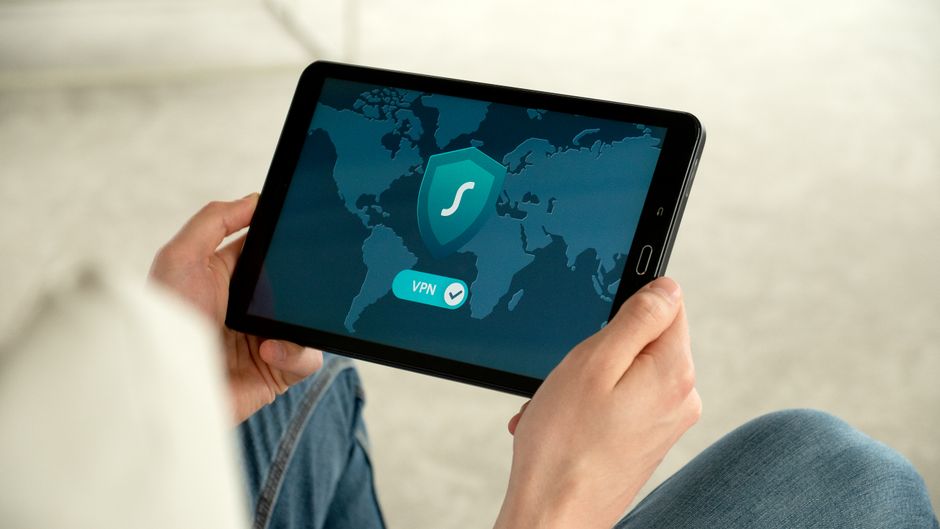
When a VPN provider boasts about "thousands of servers in hundreds of locations," it paints a picture of a vast, interconnected network capable of delivering seamless performance and unrestricted access anywhere in the world. This impressive statistic is often a cornerstone of their marketing, designed to convey robustness and global reach. However, my deep dive into the infrastructure of the ten VPNs I tested revealed that these numbers, while sometimes technically true, often masked a far more complex and often disappointing reality. The sheer quantity of servers means little if their quality is subpar, if they are virtual rather than physical, or if they are strategically located in ways that compromise security or speed. It’s a classic case of quantity over quality, where the impressive figures serve to distract from underlying deficiencies in the actual network architecture.
One of the most concerning discoveries was the widespread use of virtual server locations, often misrepresented as physical servers. A virtual server location means that while the IP address might appear to be in, say, Argentina, the actual physical server could be located in a data center thousands of miles away, perhaps in the United States or Europe. While this isn't inherently malicious, it can significantly impact performance, increasing latency and reducing speeds due to the longer physical distance data has to travel. More importantly, it can have serious privacy implications if the virtual location is in a country with lax data retention laws, while the physical server is under the jurisdiction of a more intrusive government. Reputable VPNs are transparent about their virtual servers, clearly indicating which locations are virtual and where their physical hardware resides. The deceitful ones, however, bury this information or omit it entirely, leading users to believe they are connecting to a server in a specific country when their data is actually bouncing through an entirely different legal jurisdiction.
The Illusion of Global Reach Exploring Server Ownership and Security
Beyond virtual locations, the ownership and management of the server infrastructure itself present another layer of complexity and potential vulnerability. Many VPN providers, especially the less reputable ones, don't own their entire server network. Instead, they lease servers from third-party data centers around the world. While this is a common practice, it introduces a significant security risk. If the data center itself is compromised, or if it operates in a jurisdiction with mandatory data retention laws, the "no-logs" policy of the VPN provider could be rendered meaningless. The truly secure VPNs invest heavily in owning and operating their own "bare-metal" servers, giving them complete control over the hardware and software stack, and minimizing reliance on third parties. This level of control is paramount for ensuring true privacy and security, as it eliminates potential weak points in the supply chain.
My investigation involved scrutinizing public records, reviewing transparency reports (where available), and even reaching out to support with pointed questions about server ownership. The responses from the "scam" VPNs were often vague, evasive, or simply non-existent. They would deflect questions about physical server locations or their relationships with data center providers, raising significant red flags. In contrast, the two genuinely worthwhile VPNs provided clear, concise answers, often pointing to detailed sections on their websites outlining their bare-metal server strategy and their commitment to audited, self-owned infrastructure. This transparency isn't just a nicety; it’s a fundamental component of building trust in an industry where trust is everything. Without knowing who controls the hardware your data is flowing through, the promise of anonymity becomes a fragile illusion, easily shattered by the realities of physical infrastructure and jurisdictional control.
"Trusting your data to a VPN with an opaque server network is akin to sending a postcard through a postal service that refuses to tell you where their sorting facilities are located. You hope it gets there, but you have no real assurance of its journey or security." – Digital Privacy Advocate
Furthermore, the maintenance and security practices applied to these servers are equally critical. Even a physically owned server can be compromised if it's not properly secured, regularly patched, and subjected to rigorous audits. I looked for evidence of independent security audits of their server infrastructure, transparency reports detailing any legal requests for data, and public commitments to best practices in server management. The silence from many of the "scam" VPNs on these crucial points was deafening. They offered platitudes about security but provided no verifiable evidence to back up their claims. The truly worthy VPNs, however, often highlighted their regular third-party audits, their use of RAM-only servers (which wipe all data upon reboot), and their robust physical security measures for their data centers. This distinction highlights the chasm between providers who merely talk about security and those who genuinely implement and verify it, demonstrating a commitment that extends far beyond marketing rhetoric.
The Deceptive World of Pricing and Subscription Models
The pricing structures within the VPN industry can be a bewildering maze, designed to entice users with seemingly irresistible long-term discounts while subtly trapping them into commitments they might later regret. My journey through the ten VPNs I paid for involved navigating a bewildering array of monthly, annual, and multi-year plans, each with its own set of hidden caveats and automatic renewal traps. It quickly became apparent that many providers leverage psychological pricing tactics, making the monthly plan appear exorbitant to push users towards longer, cheaper (per month) commitments, only to then make cancellation or refunds an arduous process. This approach isn't just aggressive sales; it’s often a manipulative strategy to secure revenue from users who might otherwise quickly churn.
The upfront cost of a two or three-year plan can seem like an incredible bargain, especially when juxtaposed against a much higher monthly fee. However, the catch often lies in the automatic renewal clauses, which are frequently buried deep within the terms of service. Many users, myself included in the past, have been caught off guard when their multi-year subscription automatically renews at the original, higher annual rate, rather than the heavily discounted promotional price they initially paid. Cancelling these auto-renewals can be frustratingly difficult, sometimes requiring multiple steps, navigating obscure account settings, or even contacting customer support directly, only to be met with the aforementioned delays and resistance. This predatory practice ensnares countless users, forcing them to pay for a service they no longer want or need, simply because the cancellation process is designed to be intentionally cumbersome.
Unveiling the True Cost Beyond the Sticker Price
Beyond the subscription fee itself, there are often hidden costs or limitations that only become apparent after you’ve committed to a service. Some VPNs, for instance, advertise a certain number of simultaneous connections but then silently throttle speeds or limit bandwidth if you utilize them all. Others might offer different tiers of service, with the cheapest plan lacking crucial features like advanced encryption protocols, dedicated IP addresses, or access to specialized streaming servers. These limitations are rarely highlighted in the initial marketing; instead, they are discovered through frustrating usage or by meticulously poring over comparison charts that often require a magnifying glass and a law degree to decipher. This lack of transparency about what you’re actually getting for your money is a hallmark of the less scrupulous VPN providers.
I meticulously compared feature sets across different pricing tiers and found that several of the "top" VPNs deliberately obfuscated these distinctions. A user might sign up for the basic plan, only to realize later that the "unlimited streaming" they were promised only applies to a more expensive, premium tier. Or that the "advanced security features" they thought they were getting are only available as an add-on purchase. This kind of bait-and-switch tactic is not only ethically questionable but also wastes users' time and money, forcing them to upgrade or switch providers entirely. The two genuinely worthwhile VPNs, in contrast, offered clear, straightforward pricing with transparent feature lists, ensuring that what you saw on the pricing page was exactly what you got, without any unwelcome surprises or hidden limitations designed to extract additional revenue down the line.