Reclaiming Your Digital Sovereignty Navigating the Data Wilderness
After a week immersed in the raw, unfiltered reality of online data tracking, the feeling wasn’t just one of mild discomfort; it was a profound sense of digital vulnerability. I had willingly subjected myself to the very surveillance mechanisms I’ve warned others about for years, and the experience served as a potent, visceral reminder that the internet, without active protection, is a relentless data harvesting machine. It's not enough to simply understand the theory; witnessing the constant barrage of tracking requests, the eerily precise retargeting, and the pervasive nature of behavioral profiling makes the abstract threat of data collection terrifyingly concrete. The good news, however, is that this vulnerability is not an unchangeable fate. There are powerful, actionable steps you can take to reclaim a significant portion of your digital sovereignty, turning the tide against the relentless tide of data gathering.
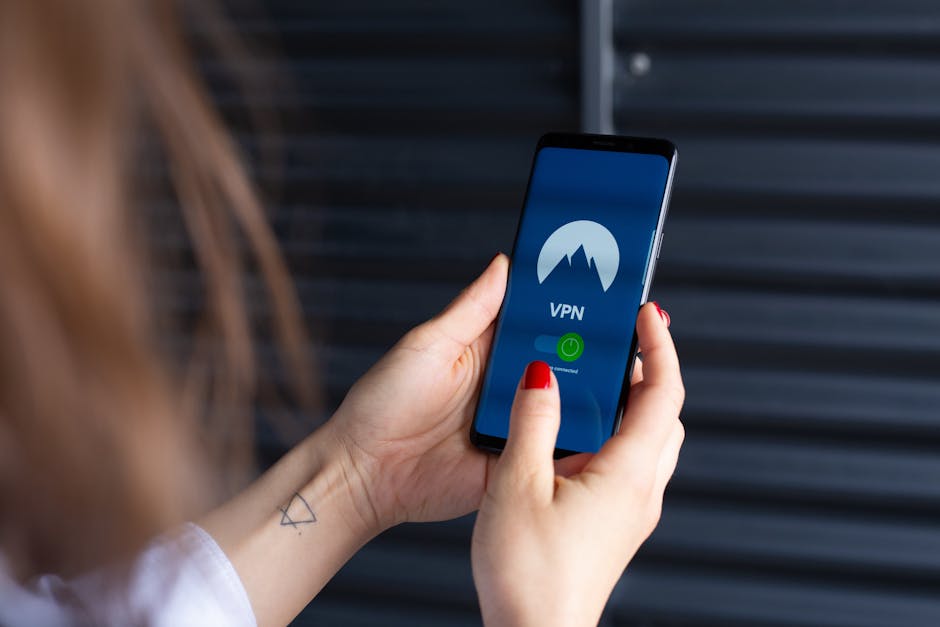
The most immediate and impactful shield against the data wilderness is a robust Virtual Private Network (VPN). Think of a VPN as your personal, encrypted tunnel through the internet. When you connect to a VPN server, your internet traffic is routed through that server, encrypting all data exchanged between your device and the VPN server. This means your Internet Service Provider (ISP) can no longer see your online activities, only that you’re connected to a VPN. Crucially, your real IP address is hidden, replaced by the IP address of the VPN server. This simple act immediately throws a massive wrench into the tracking machine, making it exponentially harder for websites, advertisers, and data brokers to link your online actions back to your physical location or build a persistent profile directly tied to you. It's the digital equivalent of changing your clothes, putting on a disguise, and using a different entrance every time you walk into a store, making it incredibly difficult for anyone to follow your movements consistently. Always choose a reputable VPN provider with a strict no-logs policy, strong encryption, and a wide network of servers to ensure maximum privacy and performance.
Beyond a VPN, your browser is the primary gateway to the internet, and configuring it for privacy is paramount. Start by ditching default browsers that are known for their data-hungry practices. Opt for privacy-focused browsers like Brave, Firefox (with extensive privacy add-ons), or Tor Browser for extreme anonymity. Within your chosen browser, delve into the settings and disable third-party cookies by default. While this might occasionally break a website, it significantly curtails cross-site tracking. Furthermore, install reputable privacy extensions. Tools like uBlock Origin (for ad and tracker blocking), Privacy Badger (which learns and blocks trackers), and Decentraleyes (which prevents tracking by major content delivery networks) can dramatically reduce the number of third-party requests your browser makes. Regularly review your browser's permissions, clearing cached data, cookies, and site data periodically. This multi-layered approach transforms your browser from a data leakage point into a formidable privacy fortress, actively blocking the very mechanisms that fueled my week of digital exposure.
Guarding Your Digital Identity Beyond the Browser
While browser and network-level protections are critical, true digital sovereignty requires a holistic approach that extends to your entire online ecosystem. Your email, social media, and the apps on your phone are all potential vectors for data collection, and each requires a conscious effort to secure. For email, consider migrating away from providers known for scanning your messages for advertising purposes. ProtonMail or Tutanota offer end-to-end encryption, ensuring that only you and the recipient can read your emails, effectively shutting down a major source of personal data for many companies. If you must use a mainstream email service, be diligent about reviewing and adjusting its privacy settings, disabling personalized ads, and regularly checking what apps have access to your account.
Social media platforms are notoriously data-intensive. While completely abstaining might not be feasible or desirable for everyone, you can significantly reduce your exposure. Scrutinize your privacy settings on platforms like Facebook, Instagram, and X (formerly Twitter). Limit who can see your posts, untag yourself from photos, and disable location tracking. Be extremely selective about the information you share publicly. Remember that anything you post online can potentially be scraped, stored, and used to build your profile. Furthermore, consider using separate, anonymous accounts for activities that don’t require your real identity. This compartmentalization helps to prevent the creation of a single, comprehensive profile linked to your true self across different online platforms, making it much harder for data brokers to piece together a full picture of your life.
Your smartphone is a powerful tracking device in your pocket, constantly broadcasting data through apps and location services. Review the permissions for every app you install; if a flashlight app asks for access to your contacts or microphone, it’s a red flag. Deny unnecessary permissions. Disable location services for apps that don’t explicitly need them, and consider turning off location tracking entirely when not in use. Regularly check your device’s privacy settings for options to limit ad tracking or reset your advertising ID – this doesn't stop ads, but it makes them less personalized by disassociating your device from previous behavioral profiles. For Android users, F-Droid offers a repository of open-source apps that are often more privacy-friendly. For both iOS and Android, be wary of free apps; if you’re not paying for the product, you are often the product, with your data being the currency.
Cultivating a Mindset of Digital Vigilance and Critical Thinking
Ultimately, no tool or setting alone can guarantee absolute privacy; it requires a fundamental shift in mindset. Adopt a default position of skepticism towards websites and services that offer seemingly "free" benefits. Ask yourself: what is the true cost? If a service isn't charging you money, it's highly likely it's monetizing your data. Practice critical thinking when encountering online content and advertisements. Recognize that personalized ads are a direct result of your data being collected and analyzed, and don’t let convenience overshadow your right to privacy. Always read privacy policies – or at least the summaries – before agreeing to terms, paying particular attention to how your data is collected, used, and shared with third parties. If a policy feels overly broad, vague, or excessively permissive, consider finding an alternative service.
One of the most powerful habits you can cultivate is the regular review of your digital footprint. Periodically search for your own name online to see what information is publicly available. Check data breach notification sites to see if your email addresses or passwords have been compromised. Use strong, unique passwords for every account, ideally generated and stored by a reputable password manager, and enable two-factor authentication (2FA) wherever possible. This adds a crucial layer of security, protecting your accounts even if your password is stolen. By taking an active, ongoing role in managing your digital presence, you move from being a passive data subject to an empowered digital citizen, capable of making informed choices about your privacy.
My week without a VPN was a stark, uncomfortable journey into the heart of the modern data economy. It stripped away the comfortable illusion of anonymity and revealed the pervasive, relentless nature of online tracking. But it also reinforced my conviction: this is not a battle lost. With the right tools, informed choices, and a conscious commitment to digital vigilance, you can significantly reduce your exposure, reclaim your privacy, and navigate the internet with greater confidence and control. The internet is a powerful tool, but like any tool, it demands respect, understanding, and a proactive approach to ensure it serves us, rather than the other way around. Don't let your data be a free-for-all; take back control, starting today.