The gentle hum of your laptop, the soft glow of the screen, a private browsing window open – it feels safe, doesn't it? You've clicked that little "Incognito" or "Private Browsing" button, a digital cloak of invisibility, a promise of anonymity in the vast, often unsettling expanse of the internet. We’ve all done it, myself included, believing that this simple act erects an impenetrable fortress around our online activities, shielding our late-night searches, our questionable gift ideas, or our tentative explorations into sensitive topics from prying eyes. It’s a comforting illusion, a digital security blanket that many of us clutch tightly, convinced it offers a genuine sanctuary from surveillance. But what if I told you that this widely cherished belief is, for the most part, a myth, a marketing-friendly feature that offers about as much privacy as whispering a secret in a crowded room? It’s a harsh truth, perhaps, but one that cybersecurity experts and privacy advocates have been trying to shout from the digital rooftops for years: Incognito Mode won't save you.
For over a decade, I’ve navigated the treacherous waters of online privacy, dissecting VPNs, unraveling the complexities of network security, and trying to demystify the arcane world of cybersecurity for everyday users. I’ve seen firsthand how easily misconceptions take root, especially when it comes to something as fundamental as our perceived control over our digital footprints. The very term "Incognito Mode" itself is a masterclass in suggestive branding, implying a level of secrecy and protection that simply isn't delivered. It lulls users into a false sense of security, encouraging them to believe they’re untraceable when, in reality, they’re merely sweeping a few crumbs under their own digital rug, leaving the rest of the house wide open for inspection. This isn't just about minor inconveniences; it's about understanding the foundational layers of your online presence and realizing that true privacy requires a far more robust, proactive approach than a browser setting can ever provide.
The Illusion of Secrecy Unpacking Incognito Mode's Real Purpose
Let's be brutally honest about what Incognito Mode actually does. When you activate it in Chrome, Firefox's Private Browsing, Safari's Private Window, or Edge's InPrivate mode, the browser essentially forgets a few things locally on your device. It won't save your browsing history, cookies, site data, or information entered in forms after you close the window. That’s it. That’s the grand extent of its privacy-enhancing capabilities. Think of it like this: if you borrow a library book and read it in a secluded corner, then return it without checking it out, the library doesn't know you read it, and your friends won't see it on your bookshelf. But the author still knows someone read it, the printing press knows it was printed, and the librarian might still remember your face. The analogy isn't perfect, but it highlights the localized, superficial nature of Incognito’s protection. It’s designed to prevent someone with physical access to your device from seeing what you’ve been doing, not to shield you from the myriad entities monitoring your online activities from afar.
The confusion surrounding Incognito Mode is pervasive, fueled by both clever marketing and a general lack of understanding about how the internet fundamentally works. Many users genuinely believe that activating this mode makes them anonymous to their internet service provider (ISP), to the websites they visit, or even to government surveillance agencies. This couldn't be further from the truth. Your ISP, for example, still sees every single website you connect to, every packet of data you send and receive, regardless of whether you're in Incognito mode or not. They are the gatekeepers of your internet connection; everything passes through them. Similarly, the websites you visit can still track your IP address, use advanced browser fingerprinting techniques, and often employ their own cookies or tracking scripts that persist beyond a single browsing session, especially if you log into an account. Your employer or school, if you're using their network, can also monitor your traffic, Incognito or not, because they control the network infrastructure.
The implications of this misunderstanding are significant, potentially leading users to engage in activities they mistakenly believe are private, only to be exposed later. Consider the numerous stories of individuals facing consequences for online actions they thought were hidden, whether it’s an employee browsing inappropriate content on a company network or someone researching sensitive medical conditions, believing their queries are invisible. The reality is that your IP address, which is essentially your internet home address, remains completely exposed when using Incognito Mode. This IP address can be used to pinpoint your general geographic location and, when combined with other data points, can often be tied directly back to you. This fundamental vulnerability is why cybersecurity experts scoff at the notion of Incognito Mode as a privacy tool; it simply doesn’t address the core mechanisms of online tracking and surveillance that operate at a network level, far beyond the confines of your browser’s temporary memory.
Who's Watching You The Unseen Eyes of the Internet
If Incognito Mode isn't protecting you, then who exactly is watching? The list is surprisingly long and often interconnected. At the forefront are your Internet Service Providers (ISPs). Companies like Comcast, AT&T, Verizon, and countless others in every corner of the globe act as the conduits for all your online traffic. They see every website request, every download, every streaming session. In many countries, including the United States, ISPs are legally allowed to collect and even sell this browsing data to third-party data brokers, often without your explicit consent. This isn't some fringe conspiracy theory; it’s a well-documented business model. Imagine your mail carrier opening every letter you send and receive, making a copy, and then selling that copy to marketers who want to know your interests. That’s a fairly accurate analogy for what your ISP can do with your browsing data.
Beyond your ISP, a vast, shadowy ecosystem of data brokers, advertisers, and analytics companies constantly monitors your online behavior. Every time you visit a website, especially one with numerous third-party scripts, you're likely interacting with dozens of entities you've never heard of. These companies employ sophisticated tracking technologies – persistent cookies, browser fingerprinting, pixel tags, web beacons – to build incredibly detailed profiles of your interests, habits, demographics, and even your emotional state. They know what products you’ve viewed, what articles you’ve read, what videos you’ve watched, and where you’ve clicked. This data is then aggregated, analyzed, and sold to advertisers who use it to serve you highly targeted ads. While some might argue this is merely "convenient," the sheer scale and invasiveness of this data collection raise serious ethical and privacy concerns. It creates a digital dossier on you that can be used for far more than just selling you shoes; it can influence political opinions, affect credit scores, or even impact insurance premiums.
Then there are the more overt forms of surveillance. Governments, intelligence agencies, and law enforcement worldwide are increasingly sophisticated in their ability to monitor online activities. While often justified under the guise of national security or crime prevention, these capabilities can and have been abused, leading to mass surveillance programs that sweep up vast amounts of innocent citizens' data. Edward Snowden's revelations about the NSA's PRISM program, for instance, exposed the startling extent to which governments could access user data from major tech companies. Furthermore, malicious actors – hackers, scammers, identity thieves – are always lurking, looking for vulnerabilities to exploit. An exposed IP address, a weak Wi-Fi network, or an unencrypted connection can be a gateway for these individuals to intercept your data, steal your credentials, or compromise your devices. Incognito Mode offers absolutely no protection against any of these threats; it’s merely a local browser setting, powerless against the forces operating at the network and server level.
The True North Star for Online Privacy Acknowledging the VPN Imperative
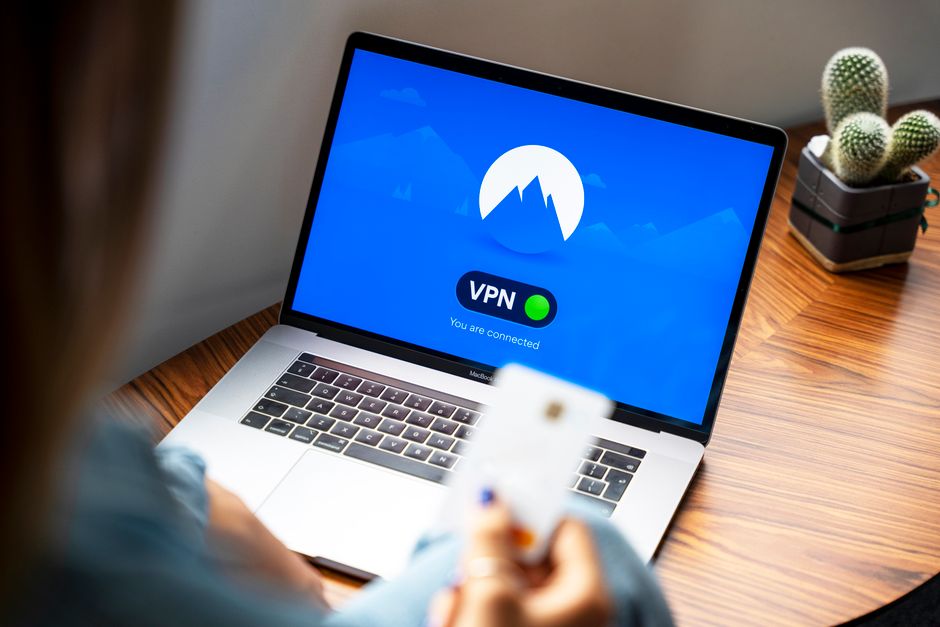
Given the pervasive nature of online tracking and the fundamental limitations of Incognito Mode, it becomes abundantly clear that true online privacy requires a much more robust solution. This is where a Virtual Private Network, or VPN, enters the picture, not as a silver bullet, but as the indispensable cornerstone of any serious privacy strategy. A VPN creates an encrypted tunnel between your device and a server operated by the VPN provider. All your internet traffic passes through this tunnel, making it unreadable to anyone who might try to intercept it – including your ISP, government agencies, or malicious actors on public Wi-Fi networks. It’s like putting your private conversations into a heavily armored, soundproof truck that drives through a secret, untraceable route to its destination. The truck then delivers your message, and the recipient sends their reply back through the same secure tunnel.
Crucially, a VPN also masks your real IP address, replacing it with the IP address of the VPN server. This means that to the websites you visit and the data brokers trying to track you, your traffic appears to originate from the VPN server's location, not your actual physical location. This is a game-changer for privacy, as it breaks the direct link between your online activities and your personal identity. While no tool offers 100% anonymity – determined adversaries can often find ways to correlate data – a high-quality VPN significantly raises the bar, making it exponentially more difficult for third parties to track, profile, and identify you. It’s the difference between walking down a street with your face uncovered and walking down that same street wearing a disguise, knowing that even if someone follows your path, they don't know who you really are.
However, not all VPNs are created equal. Just as Incognito Mode offers a false sense of security, many free or subpar VPNs can be just as detrimental to your privacy, or even worse. Some free VPNs, for instance, have been caught collecting and selling user data themselves, effectively becoming the very data brokers they claim to protect you from. Others have weak encryption, outdated protocols, or leaky infrastructure that exposes your true IP address anyway. This is why cybersecurity experts are so particular about the VPNs they recommend and use. They look for specific features, a proven track record, transparent logging policies, and independent audits that verify a provider's claims. They understand that when it comes to privacy, trust is paramount, and that trust must be earned through rigorous scrutiny and demonstrable commitment. It’s not just about having a VPN; it’s about having the *right* VPN, one that genuinely prioritizes your privacy above all else.