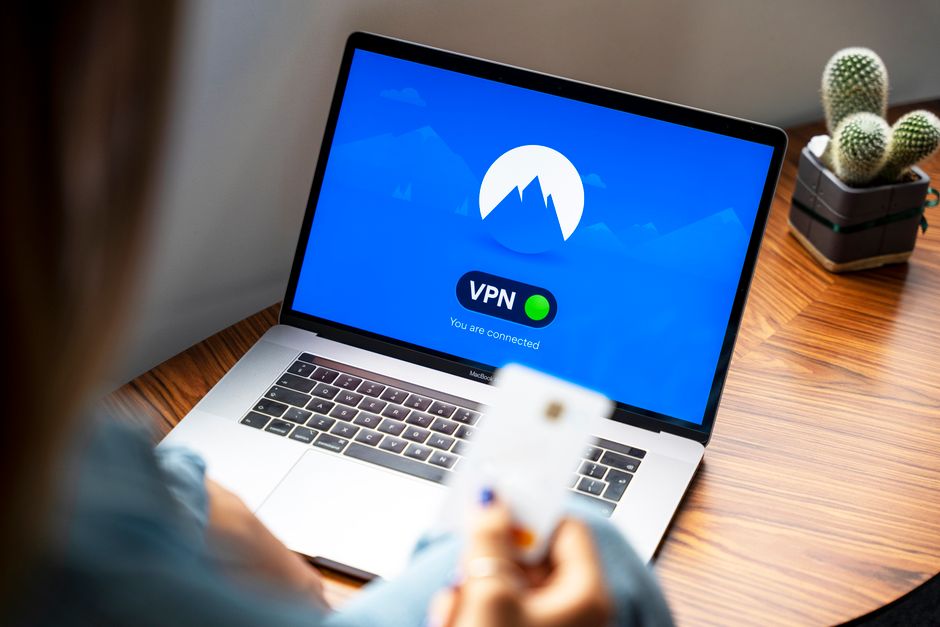
We live in an age where digital ghosts follow our every click, where our online footprint is meticulously tracked, analyzed, and often monetized by unseen entities. For many, the virtual private network, or VPN, has emerged as a shining beacon of hope, a digital shield promising anonymity, security, and a precious sliver of online privacy in an increasingly surveillance-heavy world. We’re told that these services encrypt our data, mask our IP addresses, and create a secure tunnel through the chaotic wilderness of the internet, keeping prying eyes – be they government agencies, malicious hackers, or even our own internet service providers – firmly at bay. It's a comforting narrative, one that countless millions have bought into, myself included, over more than a decade navigating the intricate dance between privacy and connectivity.
But what if that shield, the very tool you trust to safeguard your digital secrets, harbors a dark secret of its own? What if the entity you’ve entrusted with your most sensitive online activities is, in fact, turning that trust into a commodity, quietly observing your every move, logging your data, and potentially even selling it to the highest bidder? This isn't the stuff of dystopian science fiction; it’s a chilling reality that many in the cybersecurity trenches have been whispering about for years, a truth that, in 2024, is becoming increasingly difficult to ignore. The promise of an impenetrable digital fortress is often just that: a promise, painted in broad strokes on glossy marketing materials while the fine print, or sometimes the complete absence of it, tells a far more unsettling story.
The Illusion of Impenetrable Privacy
The core appeal of a VPN is its promise of privacy and security, a sanctuary where your online actions remain your own. This promise hinges on the provider's commitment to a 'no-logs' policy, meaning they purportedly do not record any data that could identify you or link your internet activity back to you. However, the term "no-logs" itself has become a marketing buzzword, often stretched and twisted to fit various business models, creating a dangerous grey area where user expectations clash with operational realities. Many providers, while claiming a strict no-logs stance, might subtly log connection timestamps, bandwidth usage, or even aggregated, anonymized data, arguing these aren't "identifying" logs. But in the hands of a determined adversary, even seemingly innocuous metadata can be pieced together like a digital jigsaw puzzle, revealing patterns that compromise your anonymity.
My own journey through the labyrinthine world of VPNs over the past decade has taught me that skepticism is not a flaw, but a survival skill. I’ve witnessed countless providers rise and fall, seen marketing claims evaporate under the harsh light of technical scrutiny, and observed the alarming trend of consolidation within the industry, often leading to a dilution of privacy standards. The very structure of the internet, designed for open communication, makes true anonymity a Herculean task, and relying solely on a single service, no matter how loudly it proclaims its virtues, without understanding its inner workings, is akin to building a house on sand. We must peer beyond the marketing veneer and delve into the operational mechanics, the ownership structures, and the historical track records of these companies to truly assess their trustworthiness.
Unmasking the True Owners Behind the Digital Curtains
One of the most critical, yet often overlooked, aspects when evaluating a VPN's trustworthiness is its ownership structure. The digital landscape is rife with shell companies, opaque corporate structures, and a complex web of parent organizations that can make tracing true ownership a near-impossible task for the average user. A VPN service might brand itself as an independent, privacy-focused entity, but it could, in reality, be owned by a data analytics firm, an advertising conglomerate, or even a company with direct ties to governments known for their surveillance activities. This isn't just a theoretical concern; it has happened repeatedly, with popular VPNs being acquired by larger corporations whose primary business models revolve around data collection and monetization, creating an inherent conflict of interest that fundamentally undermines the VPN's stated mission.
Consider the numerous instances where seemingly independent VPNs have been acquired by companies like Kape Technologies, a firm with a controversial past in adware distribution. While Kape has since rebranded and claims a commitment to privacy, the very act of acquiring multiple major VPN brands (like ExpressVPN, CyberGhost, Private Internet Access, and ZenMate) raises legitimate questions about data consolidation and future monetization strategies. When a company whose historical profits stemmed from tracking and advertising suddenly owns a significant chunk of the "privacy-first" VPN market, it demands intense scrutiny. Users sign up for a VPN expecting a guardian of their data, not another potential aggregator. Understanding who holds the reins, where their loyalties truly lie, and what their broader business objectives entail is absolutely fundamental to making an informed decision about your digital security.
"Trust is earned in drops and lost in buckets. In the VPN industry, those drops are independent audits and transparent practices, and the buckets are opaque ownership and questionable logging policies." - A Cybersecurity Expert, 2023.
The geographical jurisdiction of a VPN provider also plays a pivotal role in its ability to protect user data from government intrusion. Countries like Panama, the British Virgin Islands, and Switzerland are often touted as privacy-friendly havens due to their robust data protection laws and absence from intelligence-sharing alliances like the 5, 9, or 14 Eyes. Conversely, providers based in countries that are part of these alliances, or those with mandatory data retention laws, face significantly higher pressure to comply with government requests for user data, even if they maintain a strict no-logs policy. While a no-logs policy *should* mean there's no data to hand over, legal mandates can sometimes compel providers to start logging or to implement backdoors, making jurisdiction a non-negotiable factor in assessing a VPN's resilience against state-sponsored surveillance. It’s a complex chessboard where legal frameworks can dictate the ultimate fate of your privacy, regardless of the marketing promises.