The pervasive nature of smart devices means that data collection has become an intricate tapestry woven into the fabric of our daily routines, often operating in the background without a second thought from the user. It’s a constant, passive stream of information flowing from our homes, our bodies, and our interactions, painting an incredibly detailed and often intimate picture of our lives. To truly grasp the scope of this digital surveillance, we must delve into the various types of data being collected and the sophisticated methods employed by these devices and the companies behind them. This isn't just about microphones; it's a multi-sensory assault on our personal information, encompassing everything from our heartbeats to our viewing habits, our spoken words to our precise geographical movements.
Untangling the Web of Data Collection from Your Devices
Let's peel back the layers and examine the diverse avenues through which your smart devices are gathering information about you, often without your explicit, granular understanding or consent. It’s a complex ecosystem, with each device contributing its unique set of data points to a larger, aggregated profile. This collective intelligence, built from seemingly disparate pieces of information, allows companies to not only understand your past behavior but also to predict your future actions, preferences, and even emotional states, enabling a level of targeted influence that was unimaginable just a decade ago. The sheer volume of data involved is staggering, often measured in petabytes and exabytes, far beyond human comprehension, but perfectly digestible for advanced algorithms.
The Echoes in Your Home: Voice Assistants and Aural Surveillance
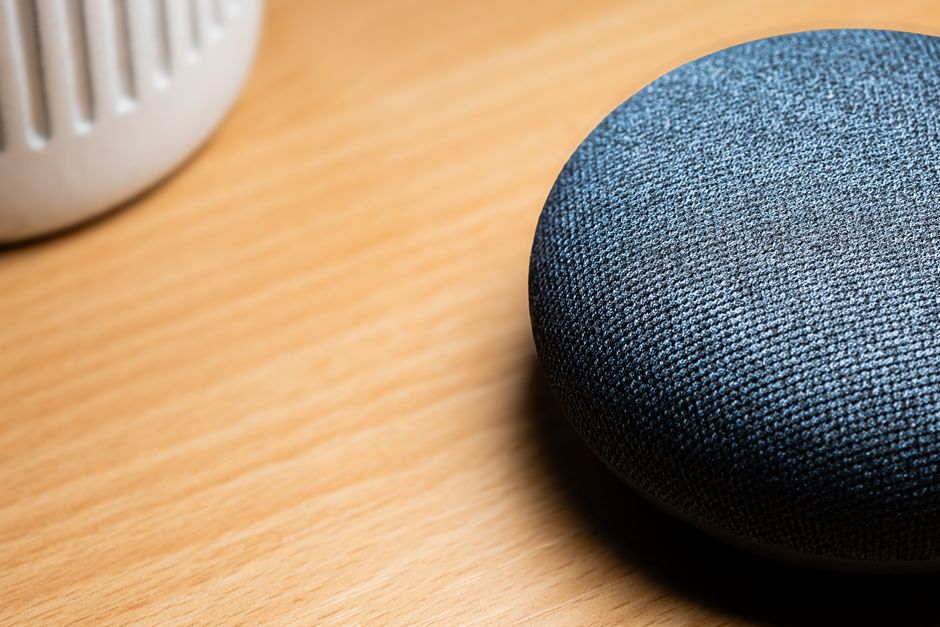
Perhaps the most common privacy concern revolves around smart speakers and voice assistants like Amazon's Alexa, Google Assistant, and Apple's Siri. The very nature of these devices requires them to be "always on," listening for a specific "wake word" to activate. While companies assure us that recordings are only sent to the cloud *after* the wake word is detected, numerous incidents have cast a shadow of doubt on these claims. Remember the reports of Alexa recording private conversations and sending them to random contacts, or human contractors listening to snippets of user commands to "improve" the AI? These weren't isolated glitches; they were stark reminders that the technology's capabilities extend far beyond simple command processing, venturing into the realm of passive eavesdropping.
The problem goes deeper than just the wake word. Even when not explicitly activated, these devices are processing ambient sound to distinguish speech from background noise and to detect their trigger phrase. This means they are constantly analyzing audio data within your home, even if it's supposed to be processed locally and immediately discarded. The potential for accidental activation, or for the device to misinterpret background conversations as commands, is ever-present. Furthermore, the "improvement" of AI often involves human review of anonymized (or sometimes not-so-anonymized) voice recordings, meaning that your private utterances could, at some point, be heard by a stranger. This isn't a conspiracy theory; it’s a documented practice that tech companies have acknowledged, albeit often after public outcry, highlighting the inherent tension between technological advancement and personal privacy.
Your Smart TV is More Than a Screen: Visual and Content Tracking
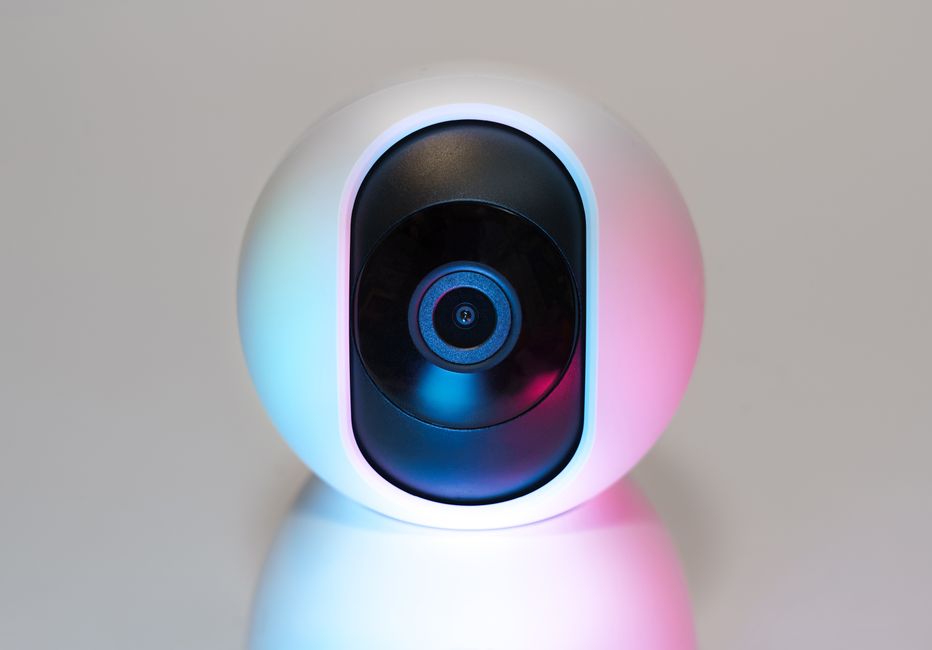
Your smart television, a centerpiece of modern entertainment, has evolved far beyond a simple display panel. Many smart TVs now come equipped with microphones for voice commands and even cameras for video calls or gesture control. These features, while offering convenience, open up new avenues for surveillance. A smart TV's microphone can potentially record conversations in your living room, just like a smart speaker, and its camera could capture images of you and your family. While manufacturers claim these features are only active when explicitly enabled, the history of device vulnerabilities and default-on settings gives little comfort to privacy-conscious individuals. The potential for unauthorized access or misuse of these visual and audio inputs is a very real and concerning prospect, especially given the sensitive nature of what happens in our private living spaces.
Beyond microphones and cameras, a more insidious form of tracking comes from Automatic Content Recognition (ACR) technology. Many smart TVs use ACR to identify every piece of content you watch, regardless of the source – broadcast TV, streaming services, Blu-ray players, or even video game consoles. This data, which includes the specific shows, movies, and even commercials you view, is then collected, analyzed, and often sold to advertisers and data brokers. Imagine a company knowing precisely what you watch, when you watch it, and for how long. This isn't just about showing you relevant ads; it's about building an incredibly detailed profile of your interests, habits, and even political leanings based on your media consumption. This data can then be cross-referenced with other information collected about you, creating a terrifyingly accurate picture of your preferences and vulnerabilities.
Your Digital Shadow: Location, Biometric, and Behavioral Data
Our smartphones, smartwatches, and even smart cars are relentless location trackers. GPS, Wi-Fi, and cellular triangulation work in concert to pinpoint our exact whereabouts at almost all times. This isn't just about helping you navigate; location data is incredibly valuable for advertisers, who use it to understand foot traffic patterns, target ads based on physical locations, and even infer demographic information. A persistent record of your movements can reveal where you work, where you live, where you socialize, your doctor’s office, your place of worship, and even where you spend your leisure time. This mosaic of movement can paint a picture of your daily life more intimate than many would ever consciously share, and often, this data is collected and stored indefinitely, creating a permanent digital shadow of your physical presence.
Furthermore, the proliferation of wearables and health-monitoring devices has ushered in an era of biometric data collection. Smartwatches track your heart rate, sleep cycles, steps taken, and even blood oxygen levels. Smart scales measure your weight, body fat, and muscle mass. While this data offers incredible insights into personal health and fitness, it is also among the most sensitive information one can share. This health data, once collected, can potentially be shared with third parties, including insurance companies, employers, or data brokers. The implications for discrimination, targeted marketing of health products, or even future insurance eligibility are profound and deeply concerning. The convenience of monitoring your health comes with the implicit risk that this deeply personal information could be used in ways you never intended or consented to.
Finally, there's the vast ocean of behavioral data – what apps you use, how long you use them, what you click on, what you search for, what you purchase online, and even the way you type or scroll. Every digital interaction leaves a trace, and these traces are meticulously gathered and analyzed. This data helps companies understand your preferences, predict your needs, and fine-tune their algorithms to keep you engaged. It's the engine behind recommendation systems on streaming platforms and e-commerce sites, but it's also the fuel for highly sophisticated psychological profiling. When combined with location, audio, and visual data, this behavioral information completes the picture, creating a comprehensive digital identity that is constantly being updated, refined, and leveraged for commercial gain, often without your direct knowledge or understanding of the full scope of its use.