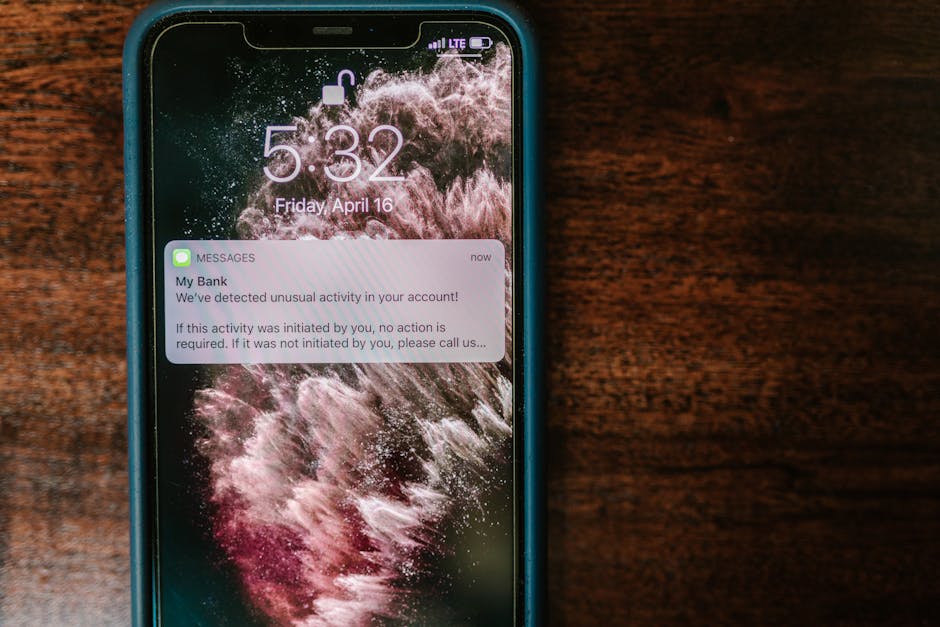
Having explored the myriad ways our smart homes can become digital Trojan horses, from default passwords and unpatched firmware to cloud vulnerabilities and the human element, the crucial question remains: what can we, as consumers, actually do to fortify our digital castles? The picture might seem bleak, but it's far from hopeless. While no system is entirely impervious to attack, a proactive and informed approach can significantly reduce your risk, turning your smart home from a potential liability into a more secure and genuinely convenient living space. It’s about taking back control, understanding the tools at your disposal, and applying a healthy dose of skepticism and diligence to your connected life. You don't need to be a cybersecurity expert, but you do need to be an engaged and responsible digital citizen in your own home.
The key lies in understanding that smart home security isn't a one-time setup; it's an ongoing process, a continuous commitment to vigilance and maintenance. It involves making informed choices before you buy, configuring devices securely after you set them up, and regularly monitoring and updating them over time. Think of it like maintaining a physical home: you don't just build it and walk away. You lock the doors, check the windows, maintain the roof, and address repairs as they arise. Your smart home requires the same level of care and attention, but applied to its digital infrastructure. By embracing these practical steps, you can significantly enhance your privacy, protect your data, and safeguard your physical security, ensuring that your connected devices remain servants, not silent spies or unwitting accomplices.
Fortifying Your Digital Castle Practical Steps for a Safer Smart Home
Securing your smart home effectively requires a multi-layered approach, addressing vulnerabilities at the network level, the device level, and through your own user behavior. There's no single silver bullet, but rather a combination of best practices that, when implemented consistently, create a robust defense. It's about building a strong foundation, being meticulous with device choices, segmenting your network, and committing to regular maintenance. This isn't about fear-mongering; it's about empowerment, giving you the knowledge and tools to navigate the complex world of connected devices with confidence and control. Let's outline some actionable strategies you can implement right now to make your smart home a much safer place.
The journey to a more secure smart home begins with a shift in mindset. Instead of viewing smart gadgets as mere appliances, start seeing them as miniature computers with network access, each requiring attention to security. This means asking critical questions before you buy, such as "What are this device's privacy policies?" or "How often does the manufacturer release security updates?" It also means being proactive in your home network management, rather than passively accepting default settings. Remember, convenience should never come at the cost of security, and with a little effort, you can achieve both. Your digital castle deserves the same, if not more, protection than your physical one, given the invisible threats it faces.
The Foundation of Strong Security Starts at the Router
Your Wi-Fi router is the undisputed gatekeeper of your smart home, and securing it is the single most impactful step you can take. First and foremost, change the default administrative username and password immediately. These are often generic and widely known, making your router an easy target. Choose a strong, unique password that combines letters, numbers, and symbols. Secondly, ensure your router's firmware is always up to date. Many routers have an option for automatic updates; enable it if available, or make a habit of checking for and installing updates manually every few months. These updates often contain critical security patches that close known vulnerabilities. Consider also disabling Universal Plug and Play (UPnP) on your router, as it can automatically open ports and create security risks. While convenient, UPnP is often exploited by malware to gain access to internal networks, so it’s generally safer to disable it and manually configure port forwarding if absolutely necessary for specific applications.
Beyond the basics, explore your router's advanced settings. Look for options to enable a firewall, which filters incoming and outgoing network traffic, blocking unauthorized access. If your router supports WPA3 encryption, enable it; otherwise, ensure you're using WPA2-AES, the strongest widely available encryption protocol. Avoid WEP or WPA-TKIP, which are outdated and easily compromised. You might also consider changing your router's default Wi-Fi name (SSID) to something less identifiable, and even disabling SSID broadcasting, though this offers minimal security benefits and can make connecting new devices a bit more cumbersome. The goal here is to make your router as impenetrable as possible, transforming it from a potential weakness into a formidable first line of defense against cyber threats looking to breach your smart home's perimeter.
Smart Device Due Diligence Before You Buy and After You Set Up
Before you even bring a new smart device into your home, exercise due diligence. Research the manufacturer's reputation for security and privacy. Look for devices from companies that have a track record of regularly releasing firmware updates and transparently addressing vulnerabilities. Read reviews, not just for functionality, but specifically for security concerns. Once you purchase a device, the first thing you should do is change any default passwords to strong, unique ones. Never reuse passwords across different devices or services. If the device or its companion app supports two-factor authentication (2FA), enable it immediately. This adds an essential layer of security, making it much harder for attackers to gain access even if they somehow obtain your password, as they would also need access to your secondary authentication method, like your phone.
Furthermore, take the time to understand the device's privacy settings. Many smart devices collect vast amounts of data by default. Go through the companion app and disable any unnecessary data collection or sharing options. If a device has a microphone or camera, be mindful of its placement and consider physically disabling it or covering the lens when not in use. For example, many smart TVs have "smart features" that track viewing habits; you can often disable these in the settings. Think critically about what data a device truly needs to function and limit its permissions accordingly. A smart light bulb probably doesn't need access to your contacts or location, so deny those permissions if requested. Being selective about what you allow devices to do and what data they can access is a powerful step in protecting your privacy and minimizing your attack surface.
Network Segmentation and Isolation Creating a Digital Sandbox
One of the most effective strategies for containing potential breaches in a smart home is network segmentation. This involves creating separate networks for different types of devices, effectively isolating your most sensitive data and devices from potentially vulnerable IoT gadgets. The simplest way to do this is by utilizing your router's guest Wi-Fi network feature. Connect all your smart home devices (lights, plugs, cameras, thermostats) to the guest network, and keep your computers, smartphones, and other devices with sensitive personal data on your primary, secure network. This creates a "digital sandbox" where if one smart device on the guest network is compromised, it has a much harder time accessing your main devices and data, significantly limiting the damage an attacker can inflict.
For those with more technical prowess, creating Virtual Local Area Networks (VLANs) offers an even more robust form of segmentation. This involves configuring your router to create entirely separate logical networks within your physical network, each with its own set of rules and access controls. You could have one VLAN for your sensitive personal devices, another for your IoT gadgets, and perhaps even a third for media streaming devices. While setting up VLANs requires a more advanced router and some networking knowledge, it provides the highest level of isolation, ensuring that a breach in one segment cannot easily spread to another. This strategy is about minimizing the blast radius of any potential attack, ensuring that even if one part of your smart home is compromised, the rest of your digital life remains relatively secure and untouched by the intrusion.
Regular Maintenance and Monitoring Your Continuous Vigilance
As mentioned, smart home security is an ongoing commitment. Make it a habit to regularly check for and install firmware updates for all your smart devices. Set reminders if necessary. Many devices have companion apps that will notify you of updates; don't ignore them. Beyond updates, periodically review the activity logs of your smart devices, especially security cameras and smart locks. Look for any unusual access attempts, unexpected events, or unauthorized activity. Many apps will show a history of who accessed a smart lock or when a camera detected motion. Reviewing these logs can help you spot suspicious patterns early, potentially preventing a full-blown compromise before it escalates into a serious problem.
Regularly review your privacy settings for all smart devices and associated cloud services. Companies often update their terms of service or introduce new data collection features, so what was private yesterday might not be today. Take a few minutes every quarter to revisit these settings and ensure they align with your privacy preferences. Consider disconnecting devices you no longer use or that you suspect are no longer receiving security updates. An unused, unpatched smart device sitting on your network is a ticking time bomb. Think of this regular maintenance as the digital equivalent of changing the oil in your car or checking the smoke detectors in your house—small, consistent efforts that prevent major disasters and keep your smart home running securely and efficiently.
The VPN Advantage Encrypting Your Smart Home's Outbound Traffic
For an added layer of protection, consider implementing a Virtual Private Network (VPN) at the router level. While a VPN on your computer or phone encrypts traffic from that specific device, a VPN configured on your router encrypts all internet traffic originating from your home network, including that of your smart devices. This means that all data leaving your smart lights, cameras, and speakers is encrypted before it reaches the wider internet, making it much harder for eavesdroppers or malicious actors to intercept and decipher your sensitive information. It also masks your home's IP address, adding a layer of anonymity and making it more difficult for attackers to pinpoint your specific location or target your network.
A router-level VPN provides comprehensive protection for all connected devices, even those that don't support VPN clients natively. This is particularly beneficial for smart home gadgets that might not have robust built-in encryption, or for those that communicate with cloud services over potentially insecure channels. By routing all traffic through an encrypted VPN tunnel, you significantly enhance the privacy and security of your entire smart home ecosystem, protecting it from various forms of surveillance and man-in-the-middle attacks. Choosing a reputable VPN provider with a strong no-logs policy and robust encryption protocols is crucial here, as you're entrusting them with all your home's internet traffic. This advanced step effectively creates a secure, private tunnel for all your smart home's communications, safeguarding them from prying eyes and malicious interception.
Education and Awareness Staying Ahead of the Curve
Perhaps the most powerful tool in your smart home security arsenal is continuous education and awareness. The threat landscape is constantly evolving, with new vulnerabilities, attack methods, and scams emerging regularly. Stay informed about the latest cybersecurity news, especially concerning IoT and smart home devices. Follow reputable cybersecurity blogs, news outlets, and expert recommendations. Learn to recognize common phishing tactics, understand the importance of strong, unique passwords, and be skeptical of unsolicited requests for information or urgent warnings. The more you know about potential threats, the better equipped you'll be to identify and avoid them, turning yourself into an active defender rather than a passive target.
Encourage family members to also adopt secure digital habits. Children, in particular, might be less aware of online risks. Educate them about the dangers of clicking suspicious links, sharing personal information, or interacting carelessly with smart devices. A family-wide commitment to cybersecurity creates a stronger, more resilient digital home. Remember that awareness isn't about living in fear, but about being informed and proactive. It's about understanding the risks so you can enjoy the convenience and benefits of your smart home without sacrificing your privacy or security. By fostering a culture of cybersecurity within your household, you transform the human element from the weakest link into your strongest line of defense, making your smart home a truly intelligent and secure place to live.
A Call to Action for Manufacturers Demanding Better Security by Design
Finally, while individual actions are vital, a long-term solution to the smart home's Trojan Horse problem also requires a collective shift from device manufacturers. As consumers, we have the power to influence this change through our purchasing decisions and our demands. Prioritize buying devices from companies that clearly demonstrate a commitment to security by design, transparent privacy policies, and a robust update lifecycle. Ask questions to customer support about their security practices. Support initiatives that advocate for better IoT security standards and regulations. By voting with our wallets and voices, we can incentivize manufacturers to prioritize security and privacy from the ground up, rather than treating it as an afterthought. This collective pressure can drive the industry towards a future where smart homes are not just convenient, but inherently safe, ensuring that the promise of connected living doesn't come at the cost of our digital and physical security.