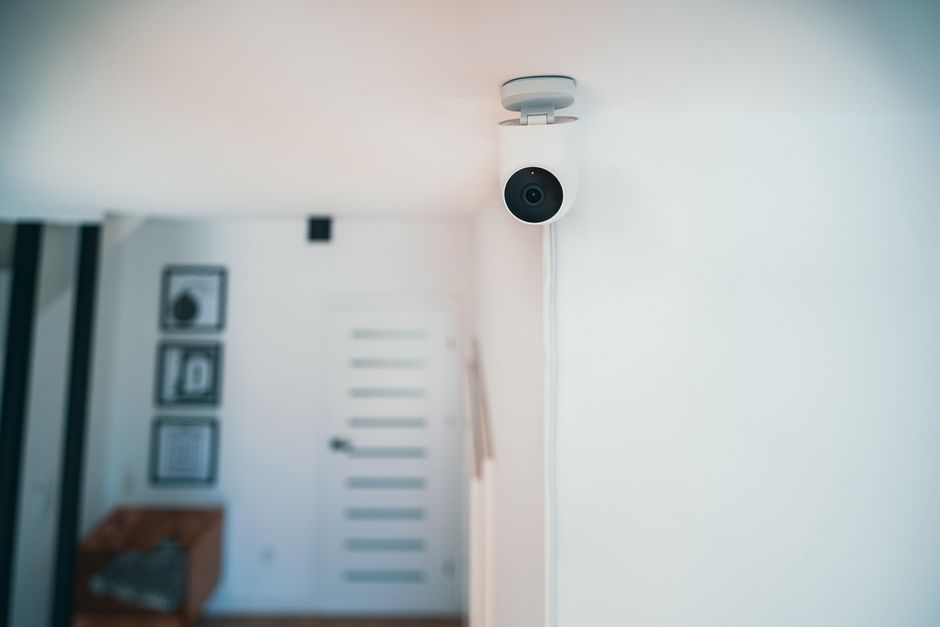
Beyond the Front Door The Pervasive Gaze of Smart Cameras
If voice assistants are the ears of our smart homes, then smart cameras are undeniably the eyes, and their gaze extends far beyond the traditional notion of security. From doorbell cameras like Ring and Nest to indoor security cameras, baby monitors, and even pet cams, these devices offer the alluring promise of constant vigilance, allowing us to monitor our homes, loved ones, and property from anywhere in the world. Yet, this omnipresent surveillance, while offering peace of mind to some, simultaneously raises profound questions about privacy, data security, and the potential for these unblinking eyes to be exploited for purposes far beyond their intended design.
The functionality of these cameras is inherently built on continuous recording and cloud storage. Most smart cameras are designed to detect motion, identify objects (like people or packages), and then record and upload video clips to a remote server. This means that every movement in your living room, every visitor to your front door, and every moment of your child's sleep could potentially be captured and stored off-site, often for extended periods. While companies assure users of encryption and security measures, the sheer volume of highly sensitive visual data flowing from millions of homes into centralized cloud servers represents an unprecedented concentration of personal information, creating an irresistible target for hackers and a powerful resource for companies and, increasingly, law enforcement.
The problem is compounded by the fact that many users do not fully understand the implications of cloud-based video storage or the default settings of their cameras. For instance, some cameras automatically enable features like facial recognition or person detection, which further process and categorize your visual data. This isn't just about seeing who's at the door; it's about building a database of faces, identifying patterns of movement, and creating a visual log of every significant event within the camera's field of view. The promise of security quickly morphs into a pervasive surveillance infrastructure, one that we willingly install in our most private spaces, often without truly grasping the full extent of its capabilities or the potential for its misuse.
The Cloud Conundrum Who Really Controls Your Visual Data?
When your smart camera uploads footage to the cloud, it's not merely being stored; it's entering a complex ecosystem where ownership, access, and control become incredibly murky. While you might assume that since it's your footage, you maintain ultimate control, the terms of service for many smart camera providers often grant the company broad rights to access, process, and even share your video data under certain conditions. This "cloud conundrum" means that your visual data, once it leaves your local network, is subject to the policies and practices of a third-party corporation, and potentially, to the legal demands of government agencies.
Perhaps the most controversial aspect of this cloud-based surveillance is the growing partnership between smart camera companies and law enforcement. Amazon's Ring, for example, has faced significant criticism for its extensive network of partnerships with police departments across the United States. Through programs like "Neighbors," police can request video footage directly from Ring users who live in specific areas, often without a warrant. While users have the option to decline these requests, the existence of such a direct pipeline between private home surveillance and public policing raises serious civil liberties concerns, effectively turning private citizens' cameras into extensions of a broader surveillance state, often without public debate or oversight.
Moreover, the security of this cloud storage is a constant concern. Despite companies investing heavily in cybersecurity, no system is entirely impenetrable. There have been numerous reports of smart camera systems being hacked, allowing unauthorized individuals to gain access to live feeds, speak through the camera's microphone, or even download private footage. These breaches are not just an invasion of privacy; they represent a fundamental betrayal of trust, exposing the intimate details of people's lives to malicious actors. The cloud, while offering convenience and scalability, simultaneously centralizes risk, making it a lucrative target for those seeking to exploit vulnerabilities and compromise the visual sanctity of our homes.
A Watchful Eye Or a Vulnerable Portal for Prying Eyes?
The dual nature of smart cameras – offering both security and vulnerability – is a paradox that homeowners must grapple with constantly. On one hand, a smart doorbell can genuinely deter package thieves or provide crucial evidence in the event of a break-in. On the other, the very technology that provides this security can become a portal for prying eyes, whether those are malicious hackers, disgruntled employees of the camera company, or even overzealous law enforcement agencies. The distinction between a watchful guardian and a vulnerable gateway often hinges on factors outside the user's immediate control, such as the company's security practices, data retention policies, and willingness to resist government demands for access.
Consider the case of baby monitors, often equipped with cameras and microphones, designed to give parents peace of mind. These devices, positioned in the most intimate and vulnerable spaces – a child's nursery – have been particularly susceptible to hacking. Reports of strangers speaking to children through compromised monitors, or live feeds being accessed without authorization, are chilling reminders that any connected camera, regardless of its intended purpose, can become a vector for deeply disturbing invasions of privacy. The emotional impact of such breaches, particularly when involving children, underscores the critical importance of robust security and a thorough understanding of the risks associated with these devices.
Ultimately, the question isn't whether smart cameras are inherently "bad"; it's about understanding the trade-offs and actively managing the risks. The convenience of remote monitoring comes at the cost of surrendering a degree of control over your visual data and opening a potential pathway for external intrusion. It means critically evaluating the security reputation of the manufacturer, scrutinizing privacy policies, and implementing every available security measure to harden these devices against attack. Without such vigilance, the watchful eye we install for our protection can too easily transform into a vulnerable portal, inviting unwanted surveillance into the very heart of our homes.
"The greatest trick the devil ever pulled was convincing the world he didn't exist. The greatest trick tech companies pulled was convincing us that privacy was merely a preference, not a fundamental right, in the smart home." - A cybersecurity expert, speaking anonymously on the pervasive nature of data collection.