The Hidden Listeners and Observers in Your Home Appliances
While voice assistants and cameras often grab the headlines for their overt data collection, a far more insidious form of surveillance lurks within the seemingly innocuous devices that populate the rest of our homes: smart appliances. From refrigerators that track your grocery habits to washing machines that monitor your laundry cycles, and even ovens that connect to the internet, the Internet of Things (IoT) has extended its tendrils into every corner of domestic life. These devices, often marketed for their energy efficiency or remote control capabilities, are quietly gathering a vast array of data about your routines, preferences, and even your physical presence, often without you even realizing it.
Consider your smart refrigerator, for instance. Beyond simply keeping food cold, many models can track inventory, suggest recipes based on what you have, and even tell you when food is expiring. To do this, they might employ internal cameras, weight sensors, and sophisticated software. This generates data about your dietary habits, consumption patterns, and shopping lists – information that could be incredibly valuable to food manufacturers, advertisers, or even health insurance companies. Similarly, smart washing machines might track usage frequency, preferred settings, and energy consumption, while smart ovens could record cooking patterns and recipe selections. This isn't just about convenience; it's about creating a detailed behavioral profile based on the most mundane aspects of your daily life.
The danger here is often underestimated because these devices don't have obvious microphones or cameras pointed at you. Their data collection is more subtle, focused on operational telemetry and usage patterns. However, when aggregated, this seemingly trivial data can paint a remarkably accurate picture of your lifestyle. If your smart fridge knows you frequently buy sugary drinks, and your smart TV knows you spend hours binge-watching, and your smart scale (also connected, of course) tracks your weight fluctuations, a comprehensive, and potentially exploitable, health profile begins to emerge. This silent, pervasive data gathering by our everyday appliances represents a significant, yet often overlooked, frontier in the battle for digital privacy within the home.
Smart TVs That Know Your Binge-Watching Habits Better Than You Do
Perhaps one of the most prolific, yet frequently ignored, data collectors in our living rooms is the smart TV. These devices, which are now standard in most households, are far more than just screens for entertainment; they are sophisticated computing platforms designed to track your viewing habits, app usage, and even your interactions with on-screen content. The concept of "Automatic Content Recognition" (ACR) is a key feature in many smart TVs, allowing them to identify everything you watch, regardless of the source – whether it's broadcast TV, streaming services, or content played from an external device. This data is then transmitted back to the TV manufacturer and often shared with third-party data brokers.
The revelations surrounding companies like Vizio, which was fined by the FTC for secretly collecting and selling detailed viewing data from millions of smart TVs without users' explicit consent, brought this issue into sharp focus. Vizio's TVs were tracking not just what programs were watched, but also specific frames, allowing them to identify individual commercials and analyze viewer engagement. This data was then anonymized (or so they claimed) and sold to advertisers and data analytics firms, who used it to target ads across other devices in the same household. This practice transformed the family television from a shared entertainment hub into a massive, passive data collection device, turning your living room into a lucrative data farm.
Beyond ACR, smart TVs also often come equipped with microphones for voice control and sometimes even cameras for video calls or gesture control. While these features can be convenient, they introduce additional privacy risks, mirroring those of voice assistants and security cameras. A microphone that's always listening for commands, or a camera that can be activated remotely, opens up potential vectors for unauthorized surveillance. The sheer complexity of smart TV software, with multiple apps, operating systems, and integrated features, makes it incredibly challenging for the average user to fully understand and control all the data being collected and shared, making them particularly potent, and often underestimated, privacy threats.
The Internet of Risky Things From Fridges to Fitness Trackers
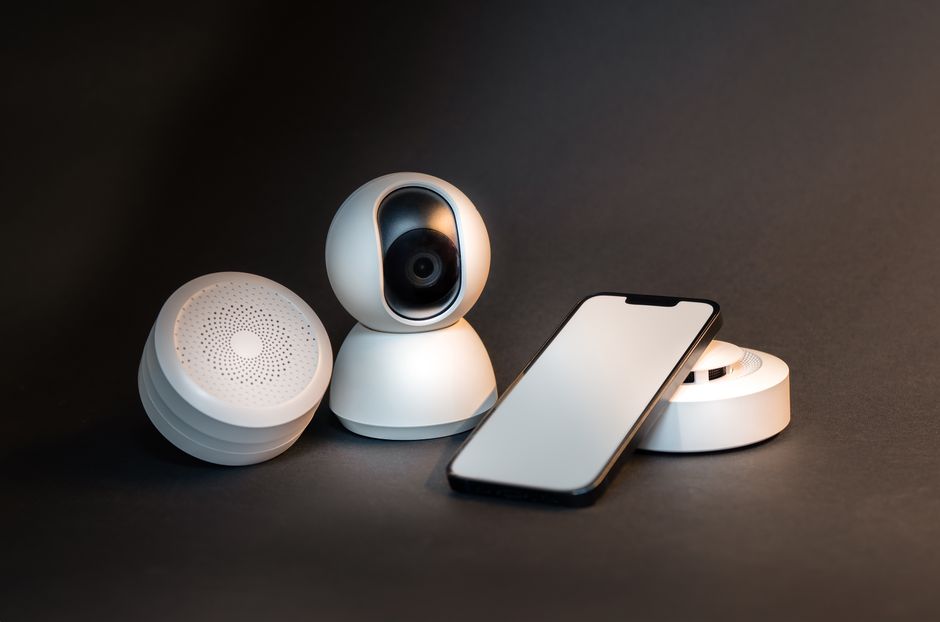
The "Internet of Things" (IoT) is a vast and ever-expanding ecosystem, encompassing everything from smart light bulbs and door locks to pet feeders and health monitors. Each of these devices, while seemingly small and isolated, contributes to a larger web of interconnected data points, often with varying levels of security and privacy considerations. The fragmented nature of the IoT, with countless manufacturers, standards, and update cycles, creates a fertile ground for vulnerabilities and privacy lapses that can have serious implications for homeowners.
Take smart locks, for instance. The convenience of keyless entry and remote access is appealing, but if improperly secured, a smart lock can become a direct entry point for hackers into your physical home. Weak passwords, unpatched firmware vulnerabilities, or insecure cloud connections can all compromise the security of these devices. Similarly, smart plugs and light bulbs, while seemingly innocuous, can be exploited as entry points into your home network, allowing malicious actors to move laterally and access more sensitive devices. Each new connected gadget, no matter how simple its function, represents another potential attack surface that needs to be secured and managed.
Even personal health trackers, which fall under the broader IoT umbrella, raise significant privacy concerns. Devices like smartwatches and fitness bands collect highly sensitive data about your heart rate, sleep patterns, activity levels, and even location. While this data is often used to provide personalized health insights, it is also stored in the cloud and can be shared with third-party apps, potentially exposing intimate health information to advertisers, insurance companies, or even employers. The sheer diversity of IoT devices, coupled with inconsistent security standards and often opaque privacy policies, means that our homes are increasingly filled with an array of "risky things," each silently collecting data and posing a potential threat to our digital and physical privacy.
"Every smart device you introduce into your home is a tiny data-gathering robot. The question isn't if it's collecting data, but what data, how much, and who ultimately gets to see it." - Dr. Evelyn Reed, IoT Security Researcher.