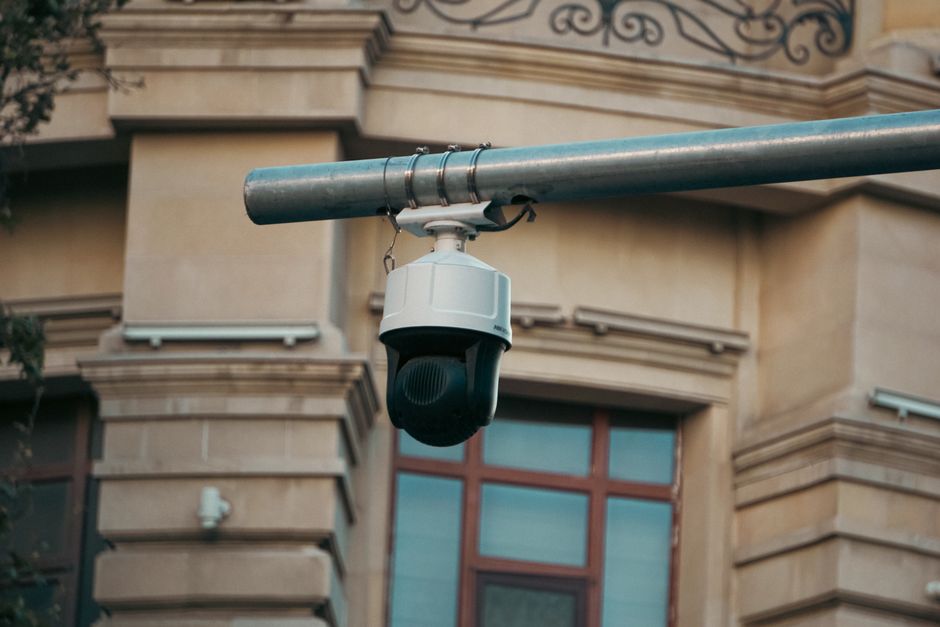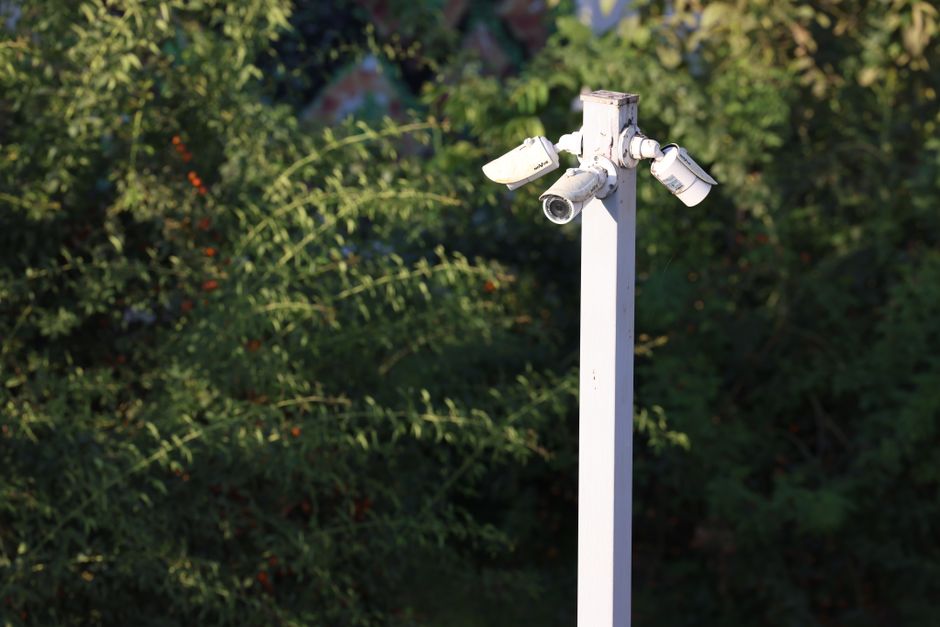
While the intentional collection and monetization of your smart home data by manufacturers and third parties present a significant privacy challenge, an equally insidious threat lurks in the shadows: the inherent vulnerability of these interconnected devices to hacking, breaches, and accidental exposures. No system, however sophisticated, is entirely immune to compromise, and the sheer complexity and novelty of the smart home ecosystem create a fertile ground for malicious actors. From poorly secured firmware to weak user authentication and the ever-present threat of zero-day exploits, your smart home, designed to be a fortress of convenience, can inadvertently become a gateway for cybercriminals, turning your private sanctuary into an open book for those with nefarious intentions. It’s a stark reminder that in the digital age, security is not a feature you buy, but a continuous process of vigilance and adaptation, especially when your most intimate spaces are wired into the global network.
The consequences of a compromised smart home extend far beyond mere inconvenience. A hacked smart camera can provide a live feed to strangers, turning your living room into a voyeuristic spectacle. A breached smart speaker could be used to eavesdrop on conversations, or even to control other connected devices maliciously. Imagine a scenario where a hacker gains access to your smart locks, effectively locking you out of your own home, or worse, granting themselves unauthorized entry. The interconnected nature of smart home devices means that a vulnerability in one gadget can potentially serve as an entry point into your entire home network, compromising everything from your personal computers to your financial data. The promise of seamless integration, while alluring, also creates a single point of failure that can have cascading effects on your digital and physical security. It underscores the critical importance of understanding not just *what* data is collected, but *how* securely it is protected, both by manufacturers and by our own proactive measures.
The Chinks in Your Digital Armor
The foundation of any secure system lies in its design and implementation, and unfortunately, many smart home devices come with inherent "chinks in their digital armor" that make them susceptible to attack. One of the most common and easily exploitable vulnerabilities stems from manufacturers’ reliance on default settings and weak security practices. Many devices ship with generic, easily guessable default passwords (e.g., "admin," "password," "12345"), or even no password at all, if they're designed for plug-and-play simplicity. Users, eager to get their new gadget up and running, often neglect to change these defaults, leaving a wide-open door for anyone with basic hacking knowledge or readily available online tools to gain unauthorized access. A quick search on sites like Shodan, a search engine for internet-connected devices, can reveal thousands of unsecured smart cameras and other IoT gadgets broadcasting their feeds to the world.
Another significant vulnerability arises from unpatched firmware and software. Like any piece of software, the operating systems and applications running on smart devices contain bugs and security flaws. Reputable manufacturers regularly release firmware updates to patch these vulnerabilities, but many users neglect to install them, or the devices themselves lack an easy, automatic update mechanism. This leaves devices exposed to known exploits that hackers can easily leverage. The sheer diversity of smart home devices, from countless manufacturers across the globe, further complicates the issue. There's no single standard for security or updates, leading to a fragmented landscape where some devices are well-supported, while others are quickly abandoned by their creators, becoming "zombie devices" that remain online but are perpetually vulnerable. This lack of consistent security maintenance transforms these devices from convenient assistants into potential liabilities, silently broadcasting your home's vulnerabilities to anyone looking for an easy target.
Furthermore, the very protocols and communication methods used by some smart home devices can introduce weaknesses. Many devices rely on Wi-Fi, Bluetooth, or proprietary wireless standards to communicate, and if these connections are not properly encrypted or authenticated, they can be intercepted or spoofed. For instance, a sophisticated attacker could potentially intercept data flowing between your smart device and its cloud server, or even inject malicious commands into your home network. The concept of "smart home hubs" or central controllers, while designed for convenience, can also become a single point of failure. If a hub is compromised, an attacker could gain control over multiple devices simultaneously, from your lights and locks to your cameras and thermostats. The intricate web of interconnectedness, which is the hallmark of the smart home, becomes its Achilles' heel when security is not meticulously designed and rigorously maintained across every single component of the ecosystem. It's a constant race between the ingenuity of device developers and the relentless probing of those seeking to exploit any digital weakness.
When the Gates are Left Open Software Vulnerabilities and Exploits
Beyond the basic security hygiene issues, smart home devices are also susceptible to more sophisticated attacks that leverage software vulnerabilities and exploits. These are often zero-day exploits, meaning vulnerabilities unknown to the software vendor (and thus unpatched) that can be exploited by attackers before a fix is available. Researchers and ethical hackers frequently uncover such flaws in popular smart home products, ranging from buffer overflows that allow remote code execution to authentication bypasses that grant unauthorized access. Once discovered and weaponized, these exploits can allow attackers to gain deep control over devices, turning them into tools for surveillance, data theft, or even launching further attacks on other networks.
A classic example of such a vulnerability was the discovery of a flaw in certain smart camera models that allowed attackers to view live video feeds without authentication. Such incidents are not isolated; they are a recurring theme in the IoT security landscape. The rush to market, combined with complex software stacks and often limited resources for rigorous security testing, means that many smart devices are deployed with latent vulnerabilities. Once an exploit becomes public, it can be quickly incorporated into automated scanning tools, allowing even less skilled attackers to target vulnerable devices en masse. The sheer volume of smart devices connected to the internet creates an enormous attack surface, where a single, widely deployed vulnerability can potentially compromise millions of homes globally. This "wormhole" effect means that the security of your home isn't just dependent on your own vigilance, but also on the diligence and ethical practices of countless device manufacturers and software developers.
Moreover, the interconnected nature of the smart home means that a vulnerability in one device can be leveraged to compromise others within the same network. For example, a weak point in a smart light bulb might not seem like a major threat on its own, but if it allows an attacker to gain a foothold in your home Wi-Fi network, they could then pivot to more sensitive devices like your smart camera, computer, or network-attached storage (NAS) drives. This lateral movement within a compromised network is a common tactic for cybercriminals, turning seemingly harmless gadgets into stepping stones for deeper intrusions. The concept of "defense in depth" becomes crucial here, but it's often overlooked in the design and deployment of smart home ecosystems. It highlights the often-underestimated risk of integrating multiple, potentially insecure devices into a single, interconnected environment, where the weakest link can ultimately compromise the entire chain of security and privacy within your home.
The Human Element Insider Threats and User Error
Beyond technical vulnerabilities, the human element remains a significant factor in smart home security breaches. This encompasses both insider threats from within the companies that manage your data and unintentional errors by end-users. On the corporate side, employees or contractors with privileged access to cloud servers and user data can pose a significant risk. While companies implement strict access controls and monitoring, breaches due to insider misconduct or negligence are not unheard of. Imagine a scenario where a disgruntled employee at a smart camera company decides to access customer video feeds, or where a contractor tasked with reviewing voice recordings decides to share sensitive snippets. Such incidents, though rare, highlight the immense trust we place in these corporations and their employees, a trust that can be shattered by a single malicious or careless individual. The very existence of human access to our "anonymized" data introduces a layer of vulnerability that technical safeguards alone cannot fully address.
On the user side, unintentional errors are a far more common pathway to compromise. This includes everything from choosing weak, easily guessable passwords (a perennial cybersecurity problem) to falling victim to phishing scams that trick users into revealing their login credentials. Users might inadvertently grant excessive permissions to third-party apps, allowing them access to data that isn't necessary for the app's function. They might also neglect to enable two-factor authentication (2FA) for their smart home accounts, leaving them vulnerable to credential stuffing attacks where stolen username/password combinations from other breaches are tried against their smart home accounts. A single lapse in judgment, a moment of complacency, or a lack of awareness can open the door for attackers, regardless of how robust the device's inherent security features might be.
Moreover, the complexities of managing privacy settings across multiple devices and platforms can lead to inadvertent data leakage. Each smart device, each app, and each service often has its own set of privacy controls, which can be confusing and time-consuming to navigate. Users might assume a certain level of privacy by default, only to discover later that specific features were enabled that allowed for broader data collection or sharing. For example, a user might disable voice recording on their smart speaker but forget to check the privacy settings on their smart TV, which also has a microphone. This fragmented approach to privacy management, coupled with user fatigue and a general lack of technical literacy, creates an environment where accidental exposure of personal data is a constant risk. Ultimately, while manufacturers bear a significant responsibility for designing secure devices, the end-user's awareness, diligence, and proactive engagement with security settings are equally critical in fortifying the digital perimeter of their smart home against both malicious intent and simple human error.