As we delve deeper into the fascinating world of digital geo-arbitrage, our journey now takes us from the dynamic pricing of flights and games to the equally segmented, yet immensely popular, realm of streaming entertainment. In an era where subscription services like Netflix, Hulu, Disney+, and Amazon Prime Video have become staples of modern households, many consumers are blissfully unaware that the content library they have access to is fundamentally different from what someone in another country, paying the exact same subscription fee, might be enjoying. This isn't a technical glitch; it's a meticulously crafted system of content licensing and geographical restrictions that dictates what movies and TV shows are available in your specific region, creating a global streaming paradox where you pay for a service but only get a fraction of its true potential.
The Global Binge: Unlocking Netflix and Beyond with a VPN
The primary culprit behind these disparate content libraries is the complex web of licensing agreements. Production studios and content owners sell distribution rights for their movies and TV shows on a region-by-region basis. This means that a particular film might be licensed to Netflix in the United States, to Hulu in Canada, and to a local broadcaster in Australia, all simultaneously. When Netflix negotiates for content, it can only acquire the rights for specific territories. This fragmented approach to content distribution, while beneficial for rights holders who can maximize their revenue by selling licenses multiple times, is incredibly frustrating for consumers who expect a truly global and unified streaming experience from a global brand like Netflix.
Consequently, your Netflix library, for example, is entirely dependent on your geographical location. A user in the United States might have access to a vast catalog of Hollywood blockbusters and popular TV series, while a subscriber in the UK might find their library significantly smaller, albeit with some unique local content. Conversely, a user in Japan might have access to a plethora of anime titles unavailable elsewhere, or a German subscriber might enjoy a selection of European films. This isn't just about minor differences; entire seasons of popular shows, critically acclaimed movies, and even Netflix Originals can be missing from your regional library, simply because of where your internet connection appears to originate. It's a digital iron curtain that divides content, leaving many subscribers feeling shortchanged and eager to break free from these arbitrary boundaries.
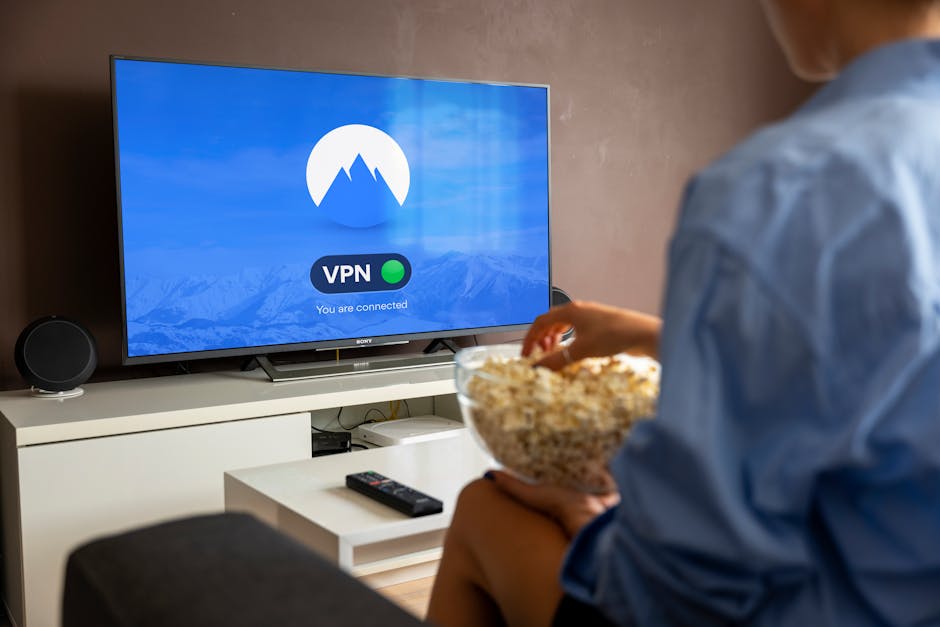
Enter the VPN, once again, as the ultimate key to unlocking this global content vault. By connecting to a VPN server in a country where your desired content is available, you effectively trick the streaming service into believing you are physically located in that region. Your IP address changes, and suddenly, Netflix (or any other geo-restricted streaming platform) presents you with the content library specific to that VPN server's location. This means that if you're in the US and want to watch a show only available on Netflix UK, you simply connect to a UK VPN server, refresh your browser or app, and voilà – the UK library appears, ready for your viewing pleasure. It's a remarkably simple yet profoundly effective way to bypass the geographical shackles that streaming services impose, transforming your single subscription into a passport to a world of entertainment.
The Cat and Mouse Game: Bypassing Streaming Geo-Restrictions
While the concept is straightforward, the execution has become a sophisticated game of cat and mouse between streaming providers and VPN services. Streaming giants like Netflix invest heavily in detecting and blocking VPN connections. They employ advanced technologies to identify IP addresses that belong to known VPN servers, and when detected, they display a frustrating "proxy error" message, preventing access. This is why not all VPNs are equally effective for streaming. Many free or low-quality VPNs are quickly identified and blacklisted, rendering them useless for unlocking geo-restricted content. It requires a robust, well-resourced VPN provider to constantly update its server infrastructure, implement obfuscation technologies, and find new ways to circumvent these detection mechanisms.
The best VPNs for streaming continuously rotate their IP addresses, deploy specialized "streaming-optimized" servers, and utilize advanced protocols designed to mask VPN traffic, making it appear as regular internet traffic. Some even offer Smart DNS services, which can be faster for streaming as they don't encrypt your entire connection, focusing solely on rerouting your DNS queries to bypass geo-blocks. However, Smart DNS offers no encryption, so it doesn't provide the same level of privacy and security as a full VPN connection. The key for consumers is to choose a VPN provider that has a proven track record of successfully bypassing geo-restrictions on major streaming platforms and is committed to maintaining this capability through ongoing development and server management. This commitment is what separates the casual VPN providers from the serious contenders in the streaming unblocking arena.
"The digital world promised universal access, but content licensing built new walls. VPNs are the crowbars, allowing consumers to reclaim the global library they inherently feel entitled to." - Digital Rights Advocate, Dr. Emily Carter
Beyond Netflix, the applications for a VPN in streaming are incredibly diverse and valuable. Want to watch BBC iPlayer from outside the UK? Connect to a UK VPN server. Access Hulu's extensive library in the US? A US VPN server is your ticket. Catch up on regional sporting events that are geo-blocked in your country? Find a VPN server in the broadcast region. The possibilities are vast, extending to services like Disney+, Amazon Prime Video, HBO Max, and countless smaller, regional streaming platforms. This means that your single VPN subscription can unlock not just a larger Netflix library, but potentially dozens of other streaming services, greatly expanding your entertainment options without needing to pay for multiple, often redundant, subscriptions. It's about maximizing the value of your existing subscriptions and gaining access to content that you're technically paying for, but are being artificially prevented from viewing.
The ethical debate surrounding VPN use for streaming is a lively one. Content creators and distributors argue that bypassing geo-restrictions undermines their licensing models and potentially leads to revenue losses. They contend that these restrictions are necessary to protect their investments and maintain a stable ecosystem for content production. On the other hand, consumers often argue that once they've paid for a subscription, they should have access to the full global library of that service, especially given the arbitrary nature of many licensing deals. They feel that geo-blocking is an outdated practice in a globalized digital world and that a VPN simply allows them to exercise their right to access content they are essentially paying for, regardless of their physical location. Ultimately, for many users, it boils down to personal choice and a desire to get the most value out of their digital subscriptions, pushing back against corporate gatekeeping in the digital entertainment landscape.
Furthermore, the technical challenges of streaming with a VPN extend beyond just bypassing detection. Speed and stability are paramount. Streaming high-definition or 4K content requires a fast and consistent internet connection, and routing your traffic through a VPN server, especially one far away, can sometimes introduce latency and reduce speeds. A premium VPN service will have a robust network of high-speed servers optimized for streaming, minimizing buffering and ensuring a smooth viewing experience. They also offer unlimited bandwidth, which is crucial for binge-watching. The quality of your VPN connection directly impacts the quality of your streaming experience, making the choice of provider an even more critical decision when it comes to entertainment consumption. It's not just about access; it's about seamless, high-quality access to the content you desire, wherever it may reside globally.