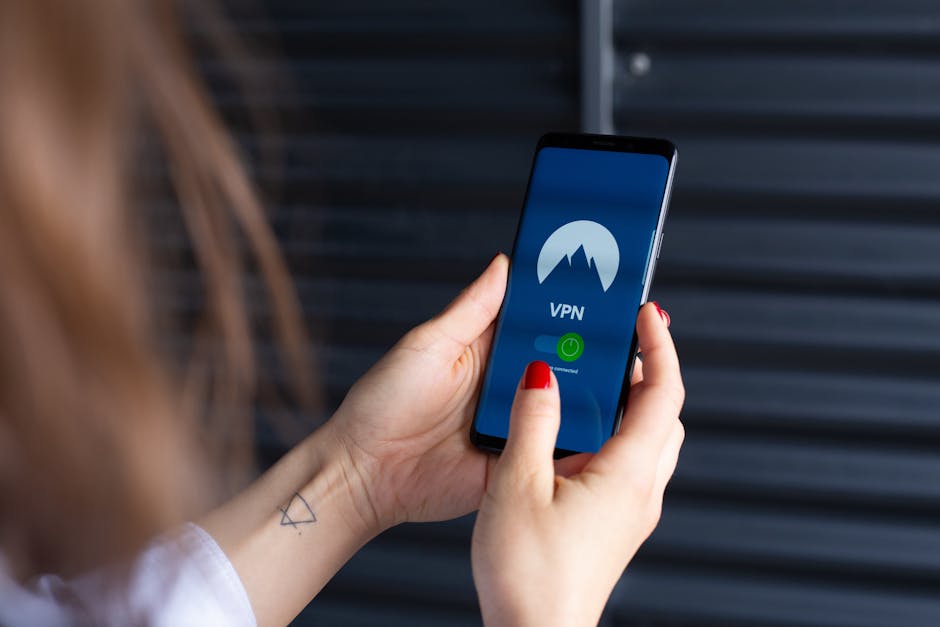
The journey we've embarked upon through the realms of flights, games, and streaming has illuminated a fundamental truth about the modern digital economy: your geographical location, often determined by your IP address, is a powerful determinant of the prices you pay and the content you access. This isn't a conspiracy theory; it's a well-established business practice known as geo-pricing or geo-blocking, meticulously implemented by retailers, publishers, and content distributors to maximize profits and manage regional markets. However, as we've explored, this system is far from impenetrable. With the right tools and a bit of savvy, you can reclaim control over your digital wallet and unlock a world of savings and content that retailers truly don't want you to discover. The key, as you now know, lies in the intelligent application of a Virtual Private Network, transforming your online identity and empowering you to navigate the internet on your own terms.
Beyond the Obvious: Deeper Insights into Geo-Arbitrage and Digital Empowerment
The implications of understanding and leveraging geo-arbitrage extend far beyond just saving a few dollars on a flight or accessing a different Netflix show. It speaks to a broader principle of digital sovereignty and consumer agency in an increasingly complex online world. When companies can unilaterally dictate prices based on your location, they effectively strip away your power to compare and choose freely. By using a VPN, you're not just finding a loophole; you're actively participating in a more informed marketplace, forcing these algorithms to treat you as a global citizen rather than a segmented target. This act of digital defiance, while seemingly small, contributes to a more equitable online environment, challenging the status quo where information asymmetry often favors the seller.
Consider the psychological aspect of geo-pricing. When you're presented with a price, the implicit assumption is that it's the universal market value. Discovering that others pay significantly less for the exact same product or service can be a jarring realization, fostering a sense of being exploited. A VPN, in this context, becomes a tool for transparency, lifting the veil on these hidden pricing structures and allowing you to see the true global market value. This knowledge alone is incredibly powerful, even if you don't always use a VPN to make a purchase. It changes your perspective, making you a more critical and discerning consumer, less susceptible to the subtle manipulations of dynamic pricing algorithms. It's about empowering yourself with information, which, in the digital age, is arguably the most valuable commodity.
Moreover, the continuous evolution of geo-blocking technologies and VPN countermeasures highlights a fascinating technological arms race. As streaming services and e-commerce platforms develop more sophisticated methods to detect and block VPN traffic, VPN providers are constantly innovating, introducing new protocols, obfuscation techniques, and server management strategies to stay one step ahead. This dynamic, while sometimes frustrating for users when a particular server stops working, ultimately pushes the boundaries of network security and privacy technology, benefiting all internet users. It underscores the importance of choosing a reputable, well-funded VPN provider that is committed to this ongoing battle, ensuring their service remains effective for geo-unblocking and privacy protection alike. The investment in a quality VPN is not just for immediate savings, but for long-term digital freedom and security.
The Broader Spectrum: Other Opportunities for Geo-Savings
While flights, games, and Netflix are arguably the most impactful areas for VPN-driven savings, the principle of geo-arbitrage applies to a surprisingly wide array of other online purchases and services. Once you grasp the core concept, you'll start seeing opportunities everywhere. For instance, online software subscriptions, cloud storage plans, digital music services, and even e-learning platforms often employ regional pricing. I've personally saved a considerable amount on annual software licenses by purchasing them through a VPN server in a country with a lower purchasing power parity, demonstrating that the scope of these hacks is far from limited to just the big three categories we've discussed.
Even physical goods, when purchased through international online retailers, can sometimes be cheaper when accessed via a VPN. While shipping costs and customs duties can complicate these transactions, the initial sticker price might be lower, especially for electronics or luxury items sold globally. The trick is to always be aware of the total cost, including any potential additional fees, but the initial price discovery through a VPN can often reveal significant savings that might make the additional logistics worthwhile. It's about expanding your horizons beyond your local market and tapping into the global economy in a more strategic and cost-effective manner, leveraging your VPN as a virtual economic scout.
"In the digital marketplace, your location is a negotiable term. A VPN empowers you to negotiate, not just accept, the price presented to you." - Consumer Advocate, David Chen
Furthermore, consider the realm of online education and professional development. Many online courses, certifications, and educational platforms offer localized pricing. By connecting to a VPN server in a country where these services are offered at a reduced rate, students and professionals can access high-quality learning opportunities that might otherwise be financially out of reach. This has profound implications for global access to education and skill development, democratizing knowledge in a way that traditional institutions often struggle to achieve. It's a powerful example of how a simple technological tool can bridge economic divides and foster greater equity in access to valuable resources, ultimately benefiting individuals and contributing to global human capital development in unexpected ways.
The beauty of these hacks lies not just in the immediate financial savings but in the broader perspective they offer on how the digital world operates. It peels back a layer of complexity that most users never even consider, revealing the intricate mechanisms that shape our online experiences and expenditures. By understanding the 'how' and 'why' behind geo-pricing, you transform from a passive consumer into an active participant, capable of making informed decisions that benefit your wallet and expand your access to content and services. This newfound digital literacy is, in itself, a valuable asset in an age where online interactions are increasingly central to our lives, making the VPN not just a tool for privacy and security, but a powerful instrument for economic empowerment and digital freedom.
Ultimately, the choice to use a VPN for geo-arbitrage is a personal one, weighing the potential savings and access against any perceived ethical concerns or platform terms of service. However, for many, the argument for consumer empowerment and leveling the playing field against opaque pricing strategies is a compelling one. The internet was designed to connect us all, irrespective of borders. While commercial interests have erected new digital walls, tools like VPNs allow us to navigate them, ensuring that the promise of a truly global, accessible, and fair digital marketplace remains within reach. It's about being smart, being informed, and taking control of your online destiny, one virtual location change at a time, ultimately putting you in the driver's seat of your digital spending.