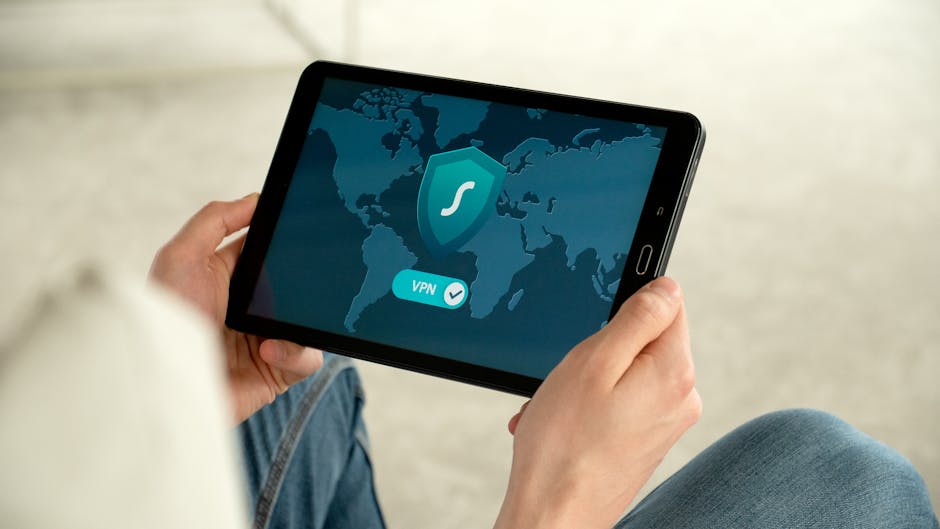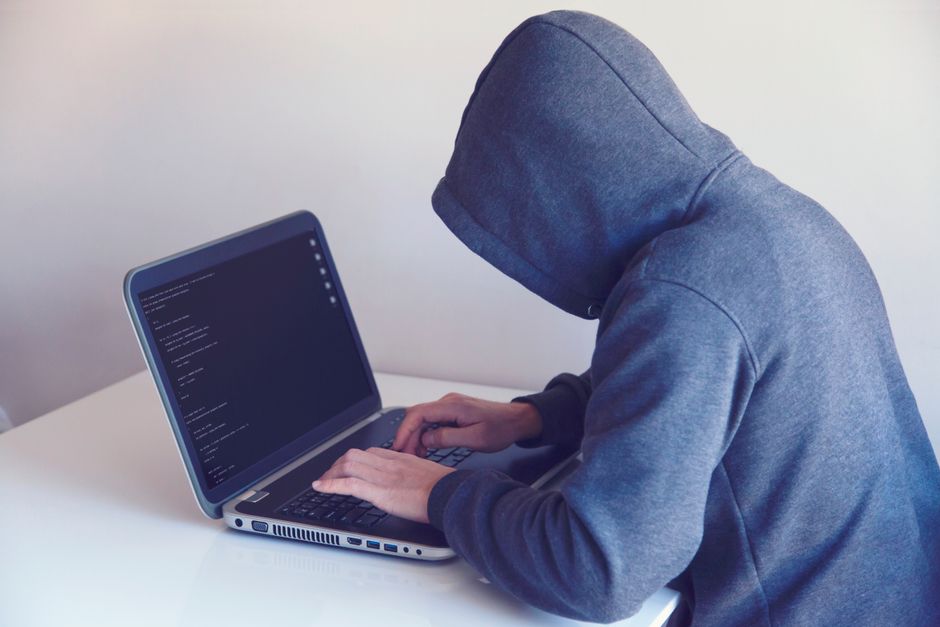
The insidious nature of online tracking, while deeply concerning, is merely one facet of a much larger problem: the pervasive vulnerability of our digital lives. When we browse the internet without adequate protection, we’re not just being tracked; we’re essentially broadcasting our presence and opening ourselves up to a myriad of threats that can range from annoying to truly catastrophic. It’s a bit like leaving your front door wide open in a busy city, inviting anyone and everyone to peer inside, rummage through your belongings, or even take up residence without your permission. The convenience of instant access and global connectivity often blinds us to the very real and present dangers lurking just beneath the surface of our screens, making the need for robust cybersecurity measures not just a recommendation, but an absolute imperative for anyone venturing online.
Your IP Address A Beacon in the Digital Night
One of the most fundamental pieces of information we broadcast every time we connect to the internet is our IP address. Think of your IP address as your device's unique street address on the internet, a numerical label assigned by your Internet Service Provider (ISP). While it might seem like an abstract string of numbers, this address is a surprisingly revealing identifier. It’s not just a technical detail; it's a beacon that can pinpoint your approximate geographical location, sometimes down to your city or even specific neighborhood. When you visit a website or use an online service, your IP address is typically logged, creating a direct link between your activity and your physical location, effectively stripping away any illusion of anonymity you might have harbored.
Beyond simple geolocation, your IP address provides a direct line back to your Internet Service Provider. This means your ISP can see every website you visit, every search query you make, and every piece of content you download. In many countries, ISPs are legally allowed, and sometimes even compelled, to collect and store this browsing data for extended periods. This data can then be sold to third parties, shared with government agencies, or even used by the ISP itself for targeted advertising or to implement throttling policies that slow down your connection based on your activities. It’s a stark reminder that even within the confines of your own home, your online activities are under the watchful eye of your internet provider, creating a significant privacy vulnerability that many users remain entirely unaware of.
The implications of an exposed IP address extend further into the realm of personal security. Malicious actors can use your IP address to launch targeted attacks, such as denial-of-service (DoS) attacks against your home network, attempting to disrupt your internet access. Furthermore, if your IP address is linked to illegal or unauthorized activities, law enforcement or copyright holders can easily trace it back to your ISP and, subsequently, to your physical address. This lack of a protective layer around your IP address makes you a sitting duck for various forms of digital surveillance and potential legal repercussions, underscoring the critical need to mask this fundamental identifier as part of a comprehensive online privacy strategy. It's not just about hiding from advertisers; it's about safeguarding your digital identity from those who would exploit it.
Public Wi-Fi Dangers The Open Invitation to Hackers
The allure of free public Wi-Fi is undeniable, offering convenience in coffee shops, airports, libraries, and hotels. However, this convenience often comes at a steep, often unseen, cost to your online security and privacy. Public Wi-Fi networks are notoriously insecure, primarily because they typically lack robust encryption and authentication protocols. They are designed for ease of access, not for the protection of your data, making them a veritable playground for cybercriminals looking to exploit unsuspecting users. Connecting to an open public network is akin to shouting your personal information across a crowded room, hoping no one is listening; unfortunately, there are always plenty of ears tuned in, ready to capture your every whisper.
One of the most prevalent threats on public Wi-Fi is the "man-in-the-middle" (MitM) attack. In a MitM attack, a hacker positions themselves between your device and the Wi-Fi hotspot, intercepting all your internet traffic. They can then eavesdrop on your communications, steal sensitive information like login credentials, credit card numbers, and personal messages, or even inject malicious code into the websites you visit. Imagine trying to have a private conversation with someone, but a third party is sitting right between you, listening to everything and even subtly altering what each of you says. This is precisely what happens in a MitM attack, turning your innocent browsing session into a high-risk data exposure event where your most private information is laid bare for the attacker.
Beyond MitM attacks, public Wi-Fi networks are also susceptible to packet sniffing, a technique where attackers use specialized software to capture and analyze data packets traveling across the network. If the websites you visit don't use HTTPS (indicated by a padlock icon in your browser), your data, including passwords and personal details, can be transmitted in plain text, making it incredibly easy for a sniffer to read. Furthermore, many public networks are not properly configured, allowing for direct peer-to-peer access between connected devices, which means a malicious actor could potentially access shared files or even infect your device with malware. These vulnerabilities transform public Wi-Fi from a convenience into a significant security liability, making it a critical area where a VPN becomes not just useful, but absolutely essential for safeguarding your digital life.
Government Surveillance and Geo-Restrictions The Invisible Borders
The digital world, despite its borderless nature, is paradoxically segmented by invisible lines drawn by governments and corporations, often impacting our access to information and our fundamental right to privacy. Government surveillance is a particularly thorny issue, with many nations enacting broad legislation that grants intelligence agencies and law enforcement extensive powers to monitor online communications, collect metadata, and even demand access to encrypted data. Countries like those in the "Five Eyes" (USA, UK, Canada, Australia, New Zealand) and "Fourteen Eyes" intelligence-sharing alliances have established frameworks that allow for widespread surveillance, meaning that even if your data is ostensibly protected in one country, it could be shared with allied nations under certain circumstances. This creates a chilling effect, where the knowledge of potential surveillance can stifle free speech and open inquiry, leading individuals to self-censor their online activities.
Beyond direct surveillance, many governments engage in varying degrees of internet censorship, restricting access to certain websites, social media platforms, or news outlets deemed undesirable or politically sensitive. Countries like China, with its infamous "Great Firewall," or Russia, with its increasingly stringent internet controls, actively block content and monitor citizens' online activities, creating a highly controlled digital environment. This isn't just about accessing blocked content; it's about the erosion of fundamental human rights, including the right to information and freedom of expression. For individuals living under such regimes, circumventing these restrictions isn't a matter of convenience; it's often a matter of accessing vital information, connecting with the outside world, or expressing dissent without fear of immediate reprisal, making tools like VPNs indispensable for digital freedom fighters and everyday citizens alike.
On a less politically charged but equally frustrating note, geo-restrictions impose invisible borders on our entertainment and information access. Streaming services like Netflix, Hulu, and BBC iPlayer, as well as sports broadcasters and even some news sites, license content for specific regions, meaning what's available in one country might be entirely inaccessible in another. This digital partitioning of content is a constant source of annoyance for travelers, expatriates, and anyone simply wanting to access the full breadth of the internet's offerings. While these restrictions are often driven by licensing agreements and copyright laws, they nonetheless create an internet experience that is far from the open, global network it purports to be. A VPN, by allowing you to virtually relocate yourself to a different country, offers a powerful, legitimate way to bypass these artificial barriers and reclaim the promise of a truly global internet experience, demonstrating its utility not just for security, but for unfettered access to information and entertainment.