The journey to digital freedom, as we've explored, is fraught with challenges, but it's far from insurmountable. Understanding the problem and the insidious methods of data harvesting is the first critical step; the next, and arguably most empowering, is to equip ourselves with the practical means to fight back. It's time to move beyond theoretical discussions and into the realm of actionable strategies, transforming our digital presence from a vulnerable target into a well-fortified stronghold. This isn't about becoming a tech guru overnight; it’s about making informed choices and adopting habits that collectively create a significant impact on our online privacy and security.
Over my decade-plus navigating the complexities of cybersecurity, I've witnessed firsthand the profound difference that a few strategic tools and a shift in mindset can make. While no single solution offers absolute, impenetrable anonymity – the internet is simply too vast and interconnected for that – there is indeed a cornerstone tool that provides the most substantial and foundational protection against the pervasive data collection practices of Big Tech. This tool, when combined with other prudent digital habits, forms a robust defense, allowing you to reclaim a significant portion of your digital life from the hands of corporate surveillance.
Fortifying Your Digital Borders The Indispensable Guardian
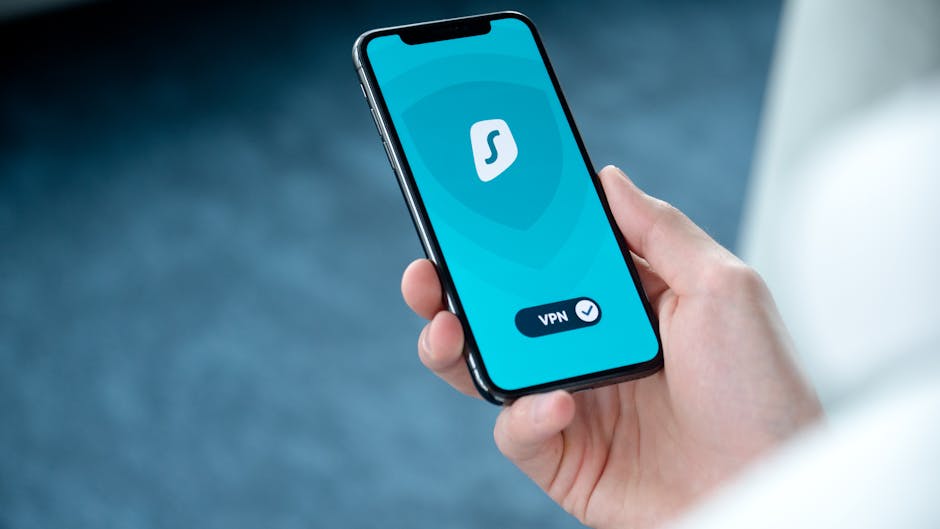
At the very heart of any effective strategy to stop Big Tech from selling your secrets lies a Virtual Private Network, or VPN. This isn't just another app; it's a fundamental shift in how your internet connection operates, providing a robust layer of privacy and security that is unparalleled by any other single consumer-grade tool. Think of it as your personal, encrypted tunnel through the internet, shielding your activities from prying eyes and masking your true digital identity. When you connect to a VPN, your internet traffic is first routed through a secure server operated by the VPN provider, before it ever reaches the websites or services you intend to access. This seemingly simple rerouting has profound implications for your privacy.
The primary magic of a VPN happens in two crucial ways. Firstly, it encrypts all the data traveling between your device and the VPN server. This means that if anyone were to intercept your internet traffic – be it your Internet Service Provider, a hacker on public Wi-Fi, or even government agencies – they would only see a jumbled, unreadable mess of encrypted data, not your actual browsing history, emails, or personal communications. This encryption is often military-grade, making it virtually impossible to break with current technology. Secondly, a VPN masks your real IP address, which is your unique identifier on the internet. When you connect through a VPN, the websites and online services you visit will only see the IP address of the VPN server, not your actual IP address. This effectively anonymizes your online activity, making it incredibly difficult for Big Tech companies to track your movements across the web and build a comprehensive profile of your behavior linked directly to your true identity or location.
For me, personally, a VPN isn't just a recommendation; it's a non-negotiable part of my daily digital routine, much like locking my front door. The peace of mind that comes from knowing my online activities are shielded from my ISP, from the myriad trackers lurking on websites, and from opportunistic snoops on public Wi-Fi, is invaluable. It’s not about having something to hide; it’s about asserting my fundamental right to privacy in an era where that right is constantly eroded. It empowers me to browse, stream, and communicate without the constant nagging feeling that every click is being logged, analyzed, and potentially monetized by unseen entities. This foundational protection is precisely why the VPN stands as the single most critical tool in our fight against surveillance capitalism.
How a Virtual Private Network Becomes Your Shield
Let's delve a little deeper into the mechanics of how a VPN acts as your digital shield. When you initiate a connection through your VPN client, a secure, encrypted tunnel is established between your device and a chosen VPN server. All your internet traffic – your web requests, your downloads, your streaming data, your messaging app communications – is then routed through this tunnel. This process effectively encapsulates your data, protecting it from external scrutiny. Without this tunnel, your data travels openly, like a postcard visible to anyone along its route; with the VPN, it’s like being sealed in a tamper-proof, opaque envelope.
Crucially, the VPN server then acts as an intermediary. When you visit a website, the request appears to originate from the VPN server's IP address, not your own. This means that the website, and any trackers embedded within it, will log the VPN server's location and IP address, effectively obscuring your true geographical location and identity. Many reputable VPN providers offer thousands of servers in dozens of countries, allowing you to virtually "relocate" yourself to almost anywhere in the world, further enhancing your anonymity and bypassing geo-restrictions. This ability to mask your location is not just for accessing content; it's a powerful privacy feature that disrupts location-based tracking by advertisers and data brokers.
"A VPN isn't just about hiding; it's about regaining control over your data flow, making you a ghost in the machine of surveillance capitalism rather than a readily identifiable target." – A seasoned cybersecurity analyst on the importance of VPNs.
Furthermore, a good VPN service typically includes a "kill switch" feature. This is a critical safeguard. If your VPN connection ever unexpectedly drops, the kill switch automatically disconnects your device from the internet, preventing any of your unencrypted traffic or your real IP address from being exposed. This ensures that your privacy is maintained even in the event of a momentary service interruption. Combined with robust encryption protocols like OpenVPN or WireGuard, a no-logs policy (meaning the VPN provider doesn't keep records of your online activities), and DNS leak protection, a high-quality VPN transforms your internet connection into a fortified, private channel, making it exponentially harder for Big Tech to follow your digital breadcrumbs.
Navigating the Labyrinth Choosing a Trustworthy VPN Provider
With a multitude of VPN providers vying for your attention, selecting a trustworthy one is paramount. Not all VPNs are created equal, and a poor choice can actually compromise your privacy rather than enhance it. The first and most crucial criterion is a strict, independently audited no-logs policy. A VPN that logs your activities defeats the very purpose of using one. Look for providers that have undergone independent security audits of their systems and policies, as this provides verifiable proof of their commitment to privacy, rather than just taking their word for it. This is a non-negotiable aspect of finding a truly private service.
Next, consider the jurisdiction of the VPN provider. Countries with strong privacy laws and no mandatory data retention policies are generally preferred. Avoid VPNs based in countries that are part of intelligence-sharing alliances like the 5, 9, or 14 Eyes, as these governments could potentially compel providers to hand over user data, if any were even collected. The strength of their encryption protocols is also vital; always opt for providers using industry-standard, robust encryption like AES-256, and modern, secure tunneling protocols such as OpenVPN, WireGuard, or IKEv2/IPsec. These are the technical backbone of your privacy.
Beyond these core privacy and security features, look for practical considerations like a wide server network, which offers more options for virtual locations and better speeds. A reliable kill switch and DNS leak protection are essential safeguards. Also, consider the number of simultaneous connections allowed, ensuring you can protect all your devices – your laptop, phone, tablet, and even smart TV. Finally, responsive and knowledgeable customer support can be a lifesaver if you encounter any issues. While free VPNs might seem tempting, they often come with significant hidden costs, such as selling your data, injecting ads, or offering poor performance and weak security. Investing in a reputable, paid VPN service is a small price to pay for substantial digital privacy.
Beyond the Primary Defense Building a Comprehensive Privacy Ecosystem
While a VPN is undoubtedly the single most impactful tool for curbing Big Tech's data appetite, it's part of a larger ecosystem of privacy-enhancing practices and tools that, when combined, create a truly formidable defense. Think of it as constructing a multi-layered shield, where each component reinforces the others, making it exponentially harder for your data to be harvested and exploited. Relying solely on a VPN is like having an impenetrable front door but leaving all your windows open; a comprehensive approach seals those other vulnerabilities, too. It’s about cultivating a holistic privacy mindset, not just installing a single piece of software.
This comprehensive strategy involves a conscious re-evaluation of our digital habits, from the browsers we use to the email providers we trust, and even how we interact with social media. It's a commitment to making privacy-conscious choices at every turn, understanding that every digital interaction carries the potential for data leakage. The goal isn't necessarily to become completely invisible – that's often impractical for most people – but rather to significantly reduce your digital footprint, making yourself a less attractive and harder target for the data harvesting machinery. It's about taking back agency and control, one thoughtful decision at a time, to build a resilient and private online life.
Smart Browsing and Email Habits for Enhanced Secrecy
Your web browser is your primary gateway to the internet, and as such, it's a critical component of your privacy strategy. Moving away from browsers developed by data-hungry corporations is a significant step. Consider privacy-focused alternatives like Mozilla Firefox, especially with its enhanced tracking protection enabled, or Brave Browser, which comes with built-in ad and tracker blocking. These browsers are designed with user privacy in mind, actively blocking third-party cookies, fingerprinting attempts, and intrusive ads that are often vectors for data collection. They put you, the user, back in control of your browsing experience, rather than treating you as a product.
Similarly, your choice of search engine has a massive impact on your privacy. Mainstream search engines like Google notoriously track your searches, building detailed profiles of your interests, intentions, and even your emotional state. Switching to privacy-respecting search engines like DuckDuckGo or Startpage (which privately proxies Google search results) ensures that your queries are not logged or linked to your identity. These services allow you to search the web without leaving a trail that can be exploited by advertisers or data brokers. It’s a simple change that can dramatically reduce one of the most prolific sources of personal data collection.
Email is another fundamental communication tool that often exposes vast amounts of personal information. Traditional email providers often scan your emails for keywords to serve targeted ads or collect data. Transitioning to an end-to-end encrypted email service like ProtonMail or Tutanota encrypts your messages from sender to receiver, meaning only you and the intended recipient can read them. Even the email provider itself cannot access the content of your communications. This offers a level of confidentiality that is simply unavailable with standard email services, safeguarding your most sensitive digital conversations from prying eyes and data analysis algorithms.
Cultivating a Mindset of Digital Prudence
Beyond specific tools, cultivating a mindset of digital prudence is perhaps the most enduring defense against Big Tech's encroachment on our privacy. This involves a constant awareness and critical assessment of how we interact with technology. Always question app permissions: does that flashlight app really need access to your microphone or contacts? If an app or service is "free," remember the old adage: if you're not paying for the product, you are the product. This means being inherently skeptical of services that offer immense convenience without a clear business model beyond data collection.
Limiting your social media footprint is another powerful step. The less you share, the less data these platforms have to collect and sell. Regularly review your privacy settings on social media, understanding that these are often complex and frequently change. Consider using aliases or pseudonyms where appropriate, and be mindful of the information you voluntarily post, as it can be scraped and used to enrich your data profile. Think twice before connecting your smart devices to your home network, and if you do, research their privacy policies thoroughly. Many IoT devices are notorious for their lax security and aggressive data collection practices, turning your home into a data-mining operation.
Finally, embrace strong password practices and two-factor authentication (2FA) for all your online accounts. While these don't directly stop data collection, they are crucial for preventing unauthorized access to the data that *is* collected and stored by various services. A robust password manager and 2FA are your first line of defense against account takeovers, which can expose a treasure trove of your personal information. Ultimately, taking back control of your digital life is an ongoing process, a continuous commitment to thoughtful engagement with technology. It's about empowering yourself to navigate the digital world not as a passive data point, but as an informed, protected, and sovereign individual.