The psychological barrier to updating is often rooted in past negative experiences, where a new patch might have introduced an unexpected bug or altered a beloved interface. This fear, while understandable, often overshadows the overwhelming benefits and the critical nature of staying current. Major operating system vendors, like Apple, Google, and Microsoft, dedicate immense resources to testing and refining their updates, often releasing multiple iterations to address any unforeseen issues. While no software is ever perfectly bug-free, the security and performance enhancements typically far outweigh the minor hiccups that might occasionally arise. Moreover, leaving your system outdated means you're not just missing out on fixes for known bugs; you're actively choosing to remain susceptible to vulnerabilities that have already been identified and patched for everyone else.
Think about the ecosystem of applications that rely on your core operating system. Developers build their apps to function optimally on current versions of iOS, Android, macOS, or Windows. When your OS lags behind, these apps might struggle, crash, or simply refuse to run, leading to a frustrating user experience. It's a domino effect: one outdated component can destabilize the entire digital environment of your device. This isn't just about personal inconvenience; for businesses, outdated software can lead to compliance issues, data breaches, and significant reputational damage. The cost of a data breach, which can be in the millions for larger enterprises, dwarfs the minor inconvenience of scheduling a system update after hours.
The Gauntlet of Everyday Grind Subjecting Your Tech to Unnecessary Physical Trauma
Beyond the invisible forces of charging and software, our devices face a daily onslaught from a more tangible enemy: ourselves. We drop them, spill drinks on them, toss them into bags without protection, and expose them to environmental extremes, all while expecting them to perform flawlessly. This habit of subjecting our tech to unnecessary physical trauma is perhaps the most direct and visually apparent killer of devices, leading to cracked screens, water damage, and a host of internal component failures that are often expensive, if not impossible, to repair.
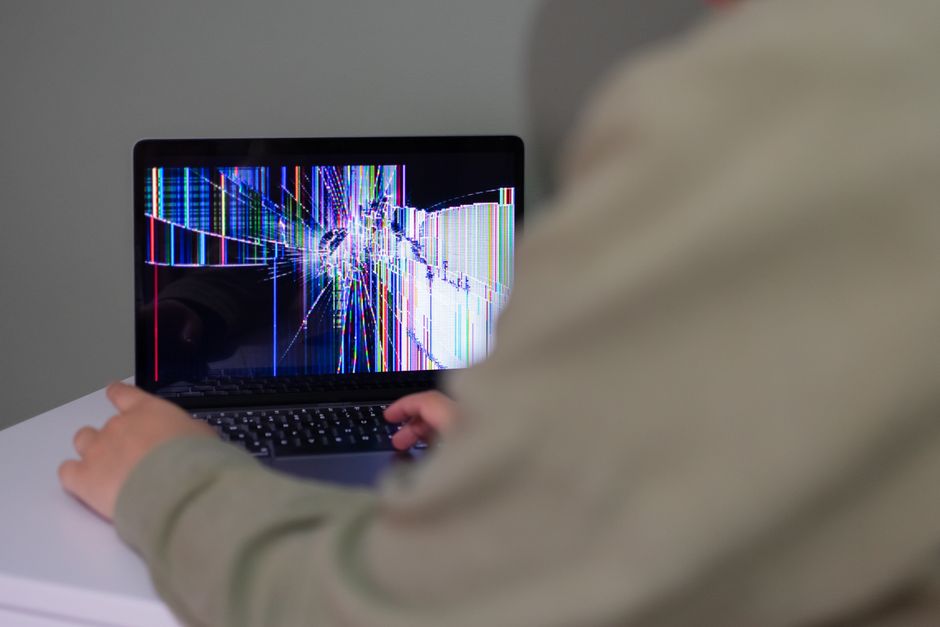
The most common casualty of physical neglect is undoubtedly the screen. A quick scroll through any social media feed will invariably show someone proudly displaying their spiderwebbed smartphone display, a badge of honor for some, a cry for help for others. While modern screens are increasingly durable, made with Gorilla Glass or similar toughened materials, they are not impervious to the laws of physics. A drop onto a hard surface, especially at an awkward angle, can easily shatter the delicate liquid crystal display or OLED panel beneath the glass, rendering the device partially or completely unusable. The cost of replacing a smartphone screen can range from a hundred to several hundred dollars, often approaching half the price of a new device, making it a significant financial setback for a moment of carelessness.
Beyond the visible damage, internal components are also incredibly vulnerable. A sudden jolt or drop can dislodge delicate connectors, damage solder joints on circuit boards, or, in the case of traditional hard drives (HDDs), cause the read/write heads to crash into the spinning platters, leading to catastrophic data loss. While Solid State Drives (SSDs) are more resilient to physical shocks due to their lack of moving parts, even they are not immune to extreme impacts that can damage their controller chips or memory modules. I've seen laptops that have been dropped, only to develop intermittent Wi-Fi issues or power problems weeks later, a lingering consequence of internal damage that wasn't immediately apparent.
The Silent Killers: Liquids, Extremes, and Improper Care
Water, that essential element for life, is the arch-nemesis of electronics. Despite increasing water resistance ratings on modern devices, "water resistant" is not "waterproof," and even a small amount of liquid ingress can wreak havoc. Water can cause immediate short circuits, but more insidiously, it can lead to long-term corrosion of internal components. This corrosion might not manifest immediately, but over weeks or months, it can cause intermittent failures, inexplicable glitches, and eventually, total device failure. The old trick of putting a wet phone in rice is largely a myth; while it might absorb some surface moisture, it does little to address the internal corrosion already beginning. Professional cleaning and drying are usually required, and even then, success is not guaranteed.
Extreme temperatures are another silent killer. Leaving a smartphone on a car dashboard on a hot summer day, or using a laptop outdoors in freezing conditions, can severely impact battery health and overall device performance. High temperatures accelerate battery degradation, as discussed earlier, and can also lead to components overheating, causing thermal throttling (where the device intentionally slows down to prevent damage) or even permanent damage to sensitive chips. Conversely, extremely cold temperatures can cause batteries to drain rapidly and even lead to condensation forming inside the device when brought back into a warm environment, creating a liquid damage scenario. It's a delicate balance that many users unknowingly disrupt.
"Treat your electronics with the same care you'd give a delicate instrument. They are complex machines, not indestructible bricks. A moment of caution can save you hundreds, even thousands, of dollars." - Louis Rossmann, independent electronics repair specialist.
Finally, improper cleaning is a rampant problem. We see dust and grime accumulating, and our instinct is to grab the nearest household cleaner or a rough cloth. Abrasive materials can scratch screens and coatings, while harsh chemical cleaners can strip oleophobic layers or damage plastics. Spraying liquid directly onto a screen or keyboard can allow moisture to seep into crevices, leading to internal damage. Even compressed air, while useful for blowing dust out of vents, needs to be used cautiously; holding the can upside down can spray propellant, and excessive pressure can damage delicate internal fans or components. It’s a habit born of good intentions but often executed with detrimental results, slowly but surely degrading the aesthetic and functional integrity of our devices.