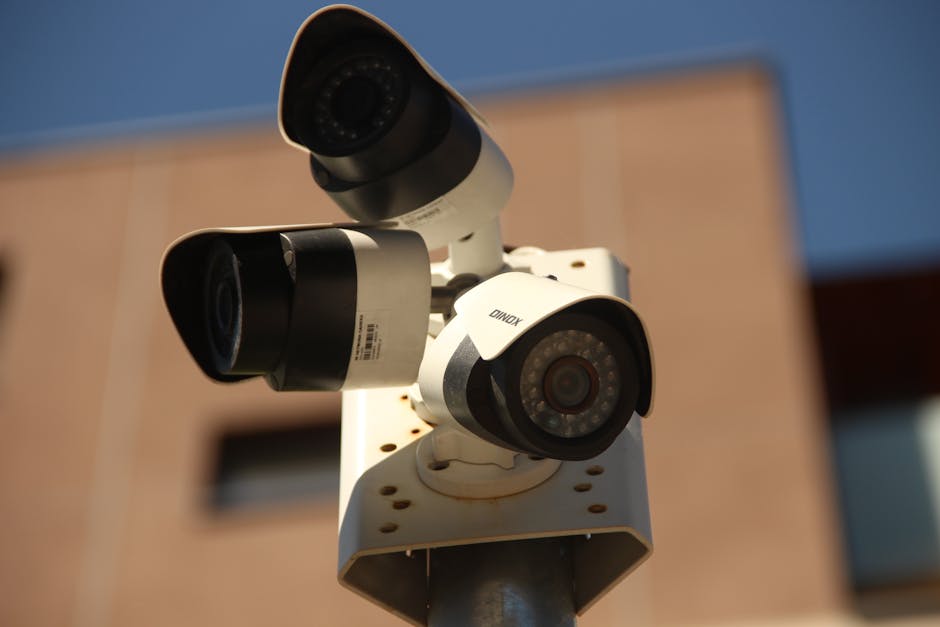
Imagine this: every single click, every website you visit, every search query you type, every video you stream, every digital crumb you leave behind is meticulously recorded, analyzed, and often sold. It’s not a conspiracy theory; it’s the stark reality of our hyper-connected world. Your Internet Service Provider, the very company you pay to access the web, acts as a silent, omnipresent observer, logging your online activities, sometimes for their own purposes, sometimes under government mandate, and often to create lucrative data profiles that end up in the hands of advertisers, data brokers, and who knows who else. This constant surveillance isn't just an abstract concern for tech enthusiasts or whistleblowers; it’s a direct assault on your personal freedom, your right to explore, learn, and communicate without a digital shadow trailing your every move. The feeling of being watched, even if you have nothing to hide, erodes trust and stifles genuine online expression, turning the open internet into a meticulously monitored panopticon.
For years, the promise of online privacy felt like a distant dream, a complex technical challenge reserved for the most savvy digital warriors. We were told that achieving true invisibility required intricate setups, a deep understanding of networking protocols, and a commitment of time and effort that most busy individuals simply couldn't afford. But what if I told you that reclaiming a significant portion of your online anonymity, making yourself virtually invisible to your ISP and a host of other trackers, can be achieved with a simple, straightforward process that takes less time than brewing your morning coffee? We're talking about a 10-minute privacy revolution, a fundamental shift in how you interact with the internet, all powered by a tool that has evolved significantly in both power and user-friendliness: the Virtual Private Network, or VPN.
The Invisible Chains of Digital Surveillance
Our digital footprint is not just a collection of data points; it’s a detailed biography being written in real-time by countless entities, often without our explicit knowledge or consent. From the moment you connect to the internet, your ISP assigns you a unique IP address, a digital fingerprint that identifies your device and, by extension, your physical location. This IP address is the cornerstone of online tracking, allowing websites, advertisers, and your ISP itself to link your activities directly back to you. They see everything: every domain name you resolve, every server you connect to, the exact timestamps of your sessions, and even the amount of data you transmit. This isn't just about targeted ads for that one thing you vaguely considered buying last week; it’s about a comprehensive profile that can reveal your political leanings, health concerns, financial status, and even your most private interests, all aggregated and refined into a valuable commodity.
The sheer scale of this data collection is staggering, and its implications are far-reaching. Consider the vast ecosystem of data brokers, shadowy companies that exist solely to collect, package, and sell your personal information. They hoover up data from public records, social media, apps, and, yes, even indirectly from your ISP's logs or partners. They then combine this disparate information to build incredibly detailed profiles on individuals, which are then sold to marketers, financial institutions, political campaigns, and even government agencies. These profiles can influence everything from the interest rates you're offered on a loan to the job opportunities you see, or even the news content you're exposed to. This commercialization of privacy creates an environment where your personal data is constantly under threat, not just from malicious actors, but from the very businesses designed to serve you.
Beyond commercial interests, there's the ever-present shadow of government surveillance. In many countries, ISPs are legally mandated to retain user data for extended periods, making it accessible to law enforcement or intelligence agencies with a warrant or even less stringent legal instruments. While proponents argue this is necessary for national security and combating crime, the reality is that such broad data retention powers can be (and often are) abused, leading to mass surveillance that indiscriminately sweeps up the data of innocent citizens. The Edward Snowden revelations, a stark reminder of the pervasive reach of intelligence agencies, underscored just how vulnerable our digital communications are without proper safeguards. Knowing that your internet activity can be retroactively scrutinized by powerful entities, regardless of your innocence, introduces a chilling effect on free speech and open inquiry, fundamentally altering the nature of our digital interactions.
Unmasking the Digital Spies
The mechanisms through which our online activities are tracked are surprisingly varied and often cleverly concealed. Your ISP, as mentioned, sits at the fundamental layer, handling all your traffic. They know which websites you visit because they perform the Domain Name System (DNS) lookups for you, translating human-readable website names (like google.com) into IP addresses that computers understand. Every time you type a URL, your request first goes to your ISP's DNS servers, leaving a clear record of your destination. This is akin to a postal service knowing every address you send a letter to, even if they don't read the letter's contents. This seemingly innocuous function is a goldmine for tracking, allowing ISPs to build a comprehensive history of your browsing habits, even if the actual content of your browsing session is encrypted.
Then there's the insidious world of third-party trackers embedded on websites. These are typically small scripts or pixels placed by advertising networks, analytics companies, and social media platforms. When you visit a website, these trackers activate, collecting data about your browsing behavior, the pages you view, the time you spend on them, and even your mouse movements. They often drop persistent cookies on your browser, unique identifiers that allow them to recognize you across different websites. This creates a cross-site tracking profile, building a detailed picture of your interests, demographics, and purchasing intent. While many browsers now offer some level of cookie blocking, these trackers are constantly evolving, finding new ways to circumvent privacy measures, making it an uphill battle for the average user to maintain any semblance of anonymity.
Even the devices we use contribute to this surveillance web. Our smartphones, smart TVs, and various smart home gadgets are often designed with data collection in mind, sending telemetry data back to their manufacturers, advertisers, and app developers. Location data from our phones, usage patterns from our smart devices, and even voice commands processed by digital assistants contribute to the ever-growing pool of personal information. This "Internet of Things" (IoT) has become the "Internet of Eyes and Ears," constantly observing and reporting on our physical and digital lives. The convenience these devices offer often comes at the steep price of our privacy, creating a complex web of interconnected data streams that are incredibly difficult to untangle and control, reinforcing the need for a robust, overarching privacy solution.
"Privacy is not something that I'm merely entitled to, it's an absolute prerequisite." - Edward Snowden
The cumulative effect of these tracking mechanisms is a profound loss of autonomy. When every action is monitored, every preference logged, and every interaction analyzed, the very notion of genuine privacy begins to crumble. It influences not just what we buy, but what we read, what we say, and even what we think, as the fear of being judged or profiled can subtly steer our behavior. This erosion of privacy isn't just a minor inconvenience; it's a fundamental threat to individual liberty in the digital age. It's about empowering yourself to decide who gets to know what about you, rather than passively allowing a vast, invisible industry to profit from your digital existence. The good news is, there are powerful, accessible tools at our disposal, and taking back control starts with understanding the problem and then implementing a straightforward, effective solution.