Have you ever felt that nagging suspicion, a little voice in the back of your mind whispering that you might be paying more than someone else for the exact same thing online? Perhaps you’ve been browsing flights, seen a price, only to refresh your browser later and find it’s mysteriously jumped. Or maybe a friend in another country mentioned their streaming subscription costs significantly less than yours, leaving you scratching your head. This isn't just a coincidence; it's the digital marketplace at work, often silently, subtly, and sometimes aggressively, adjusting prices based on who it thinks you are and, more importantly, where it thinks you're located. It's a world where your IP address acts like a digital passport, granting or denying access to certain deals, and unfortunately, often leading you to overpay. The good news is, you don't have to be a passive participant in this hidden game of price discrimination. There’s a powerful, often overlooked tool that can level the playing field, putting control back into your hands and, quite literally, hundreds of dollars back into your wallet.
For over a decade, I’ve navigated the intricate landscape of cybersecurity and online privacy, witnessing firsthand how personal data, even something as seemingly innocuous as your geographical location, is leveraged by companies. We live in an era where algorithms are constantly profiling us, analyzing our browsing habits, our purchasing power, and yes, our physical whereabouts, all to optimize their profit margins. This isn't necessarily malicious, but it certainly isn't always fair to the consumer. The concept of dynamic pricing, where prices fluctuate based on demand, time of day, and a myriad of other factors, has been around for ages in brick-and-mortar retail, but online, it's amplified by the sheer volume of data points companies can collect on you. Your location, derived from your IP address, is one of the most significant of these points, dictating everything from the cost of a plane ticket to the availability of a specific streaming library. Understanding this mechanism is the first step towards reclaiming your financial autonomy in the digital realm.
Unmasking the Digital Price Tag Where Your Location Costs You Money
The internet, for all its promises of a global, level playing field, often operates with a surprising degree of geographical segmentation, especially when it comes to pricing. This phenomenon, known as geo-discrimination or geo-targeting, relies heavily on your Internet Protocol (IP) address. Every device connected to the internet has one, and it essentially tells websites and online services where you are in the world. Think of it as your digital home address. Companies, from airlines and streaming giants to e-commerce platforms and software vendors, use this information to present you with different prices, offers, or even entirely different product catalogs based on your perceived location. They do this for a variety of reasons: to comply with regional licensing agreements, to account for varying economic conditions and purchasing power in different countries, or simply to maximize profits by charging what the market in your specific region is willing to bear. It’s a sophisticated dance between data analysis and market strategy, and without the right tools, consumers are often left footing a higher bill without even realizing it.
This isn't some fringe conspiracy theory; it's a well-documented practice. Airlines, for instance, are notorious for adjusting ticket prices based on the country from which a booking is made. A flight from New York to London might be significantly cheaper if booked from, say, Mexico City or India, even if the passenger is still flying from New York. Why? Because the airline's algorithms have determined that consumers in certain regions have different price sensitivities or that competition is fiercer in particular markets. The same applies to hotel chains, car rental services, and even online subscription services. I recall a personal instance where I was searching for a specific software license. After several searches from my home IP, the price remained stubbornly high. On a whim, I asked a colleague in Eastern Europe to check the same software, and to my astonishment, the price was nearly 30% lower. This wasn't a special promotion; it was standard regional pricing, a clear demonstration of how geo-targeting can impact your wallet in tangible ways. The implication is clear: your digital identity, specifically your location, is a key determinant in how much you pay.
Beyond the simple IP address, companies also leverage other data points to refine their dynamic pricing models. Your browsing history, the type of device you’re using, whether you're a new or returning customer, and even the time of day you're searching can all play a role. Cookies, those tiny bits of data websites store on your browser, are particularly adept at tracking your past interactions, allowing sites to "remember" previous searches and potentially adjust prices upwards if they detect repeated interest in a particular item or service. This creates a psychological pressure, making you feel like prices are constantly rising, encouraging you to book or buy quickly before they increase further. It’s a subtle but powerful form of manipulation that preys on urgency. Imagine spending hours researching a perfect flight, only to see the price creep up with each subsequent visit. It feels unfair, and frankly, it often is. This intricate web of data collection and algorithmic pricing means that the price you see isn't necessarily the best price available; it's simply the best price *for you* based on the data they have.
Your Digital Disguise How a VPN Becomes Your Secret Weapon
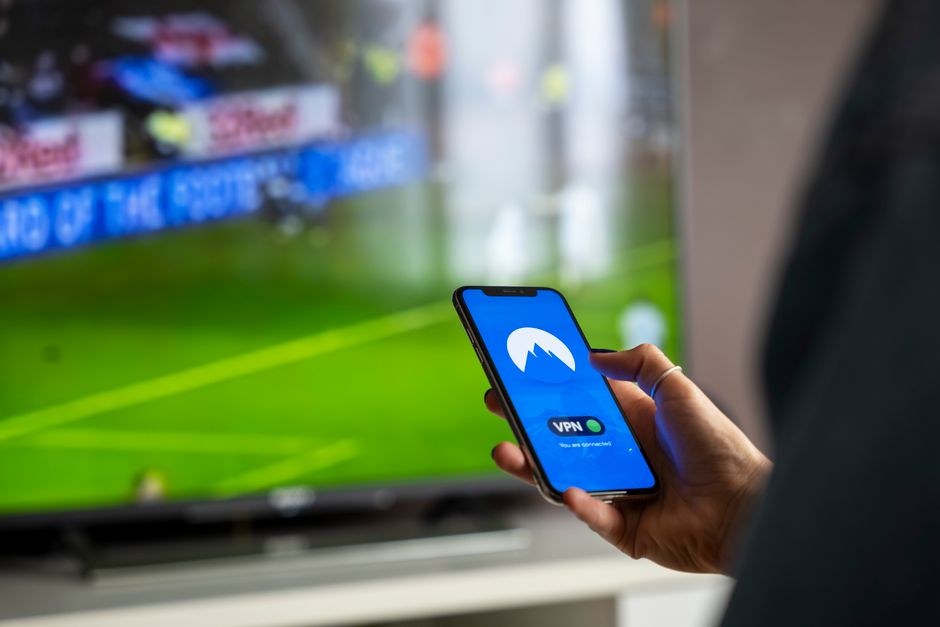
So, how do you fight back against this sophisticated system of geo-discrimination and dynamic pricing? The answer lies in a Virtual Private Network, or VPN. At its core, a VPN is a cybersecurity tool designed to enhance your online privacy and security. When you connect to a VPN server, your internet traffic is encrypted, creating a secure tunnel between your device and the internet. Crucially, your actual IP address is masked, and you appear to be browsing from the location of the VPN server you've chosen. If you connect to a VPN server in Japan, websites will see you as a user in Japan, regardless of where you physically are. This simple yet profound capability is the key to unlocking a world of potential savings that were previously hidden from your view. It effectively allows you to put on a "digital disguise," presenting yourself as a consumer from any country where your VPN provider has servers.
This isn't just about privacy; it's about power. By controlling your perceived location, you gain the ability to bypass geo-restrictions, access region-specific deals, and circumvent dynamic pricing algorithms that would otherwise charge you more. Imagine being able to "virtually" travel the globe, checking prices for the same flight or software license from a dozen different countries in a matter of minutes. This ability to "geo-shift" your online identity gives you an unprecedented advantage in the digital marketplace. It allows you to break free from the invisible fences that companies erect around their pricing structures, giving you the freedom to seek out the best possible deals, not just the ones presented to your current physical location. It transforms you from a passive recipient of geo-targeted prices into an active, informed shopper who can strategically leverage global pricing disparities. The potential savings are not theoretical; they are very real, and they accumulate quickly across various aspects of your digital life, from travel to entertainment and beyond.
The beauty of a VPN in this context is its simplicity and effectiveness. You don't need to be a tech wizard to use one. Most reputable VPN services offer user-friendly applications for various devices, allowing you to connect to a server in a different country with just a few clicks. Once connected, your device's IP address changes, and you're ready to start exploring different pricing tiers. This foundational understanding of how a VPN works – as a tool that changes your apparent location – is critical to grasping its potential for significant financial savings. It's not magic; it's a clever application of network technology that puts you in the driver's seat, allowing you to navigate the global market on your terms. The days of silently accepting whatever price is displayed are over; with a VPN, you're empowered to uncover the true global spectrum of pricing and make truly informed purchasing decisions, potentially saving you hundreds, if not thousands, of dollars annually. It's an investment in your digital freedom that pays for itself many times over.