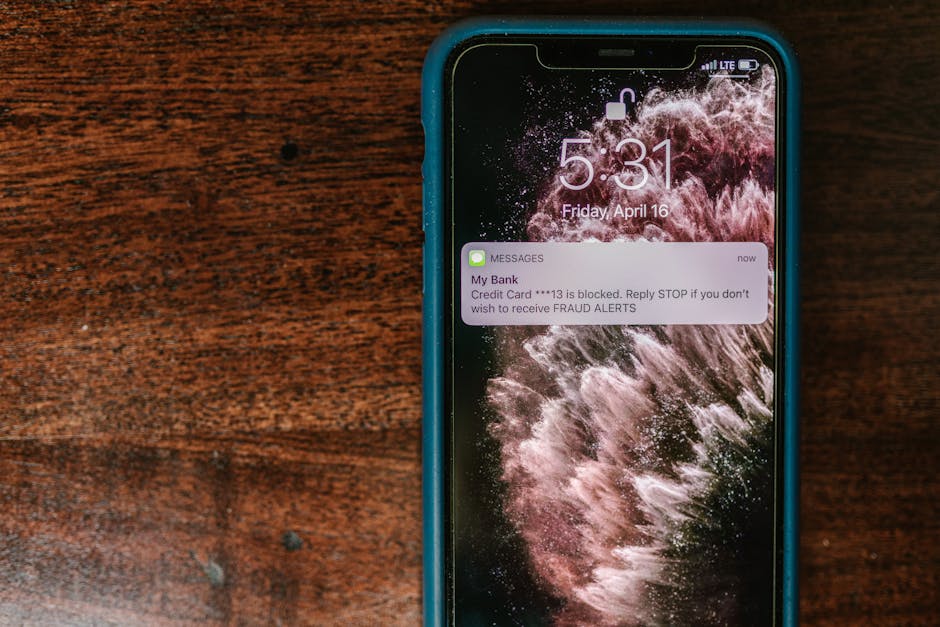
Imagine this: You’re scrolling through your Instagram feed, a perfectly curated glimpse into the lives of friends, family, and maybe a few aspirational travel bloggers. Suddenly, a notification pops up, a message from someone you haven't spoken to in years, or worse, someone you actively tried to leave behind. They mention a detail about your recent vacation, a new pet, or even a casual comment you made on a friend's post, information you were certain only your closest circle could see. A chill runs down your spine. How did they know? How could they access that? This isn't just an uncomfortable encounter; it's a stark, unsettling realization that your digital sanctuary, the space where you share your life, might be a wide-open book for anyone with enough persistence to look. The feeling of being watched, of your private moments being public property, is a pervasive anxiety in our hyper-connected world, and it's an anxiety that far too many people dismiss until it's too late. The insidious creep of digital stalking, whether by a disgruntled ex-partner, a nosy acquaintance, or even a malicious stranger, is a very real threat that preys on our casual approach to privacy settings, turning our beloved social platforms into potential instruments of distress.
For over a decade, I’ve been navigating the murky waters of online privacy, cybersecurity, and the ever-shifting landscape of social media’s data policies. I've seen firsthand how quickly a seemingly innocuous post can be weaponized, how easily personal details can be pieced together from publicly available information, and how the platforms we use daily are designed to encourage sharing, often at the expense of our personal boundaries. Facebook and Instagram, two of the most dominant forces in the social media universe, are particularly potent in this regard. They are data behemoths, repositories of our lives, our friendships, our interests, and our vulnerabilities. While they offer unparalleled ways to connect and express ourselves, they also present an equally unparalleled opportunity for those with ill intentions to gather intelligence on us. The sheer volume of data we willingly surrender, often without a second thought, is staggering, and the default settings on these platforms are almost always geared towards maximum visibility, not maximum privacy. This isn't a conspiracy theory; it's the business model, and understanding it is the first step towards reclaiming control.
The Pervasive Threat of Digital Shadowing and Why We're All Vulnerable
The term "stalking" often conjures images from thrillers, a physical presence in the shadows. But in the 21st century, the shadows are digital, cast by the glow of screens, and the presence is often invisible, yet deeply felt. Digital shadowing, or cyberstalking, is a growing epidemic, manifesting in countless ways: relentless messages, tracking your location through geotagged photos, monitoring your friends' lists to find out who you're interacting with, or even creating fake profiles to gain access to your supposedly private content. It’s a violation of personal space that transcends physical boundaries, infiltrating your home, your relationships, and your peace of mind through the very devices meant to connect you to the world. The psychological toll can be immense, leading to anxiety, paranoia, fear, and a profound sense of helplessness. It erodes trust in online interactions and can force individuals to withdraw from social media altogether, effectively silencing their digital voice. This isn't merely about protecting secrets; it's about safeguarding your mental well-being and your fundamental right to personal autonomy in the digital realm.
Consider the chilling statistics: studies consistently show that a significant percentage of online users have experienced some form of cyber harassment or stalking. A Pew Research Center study, for instance, revealed that a substantial portion of adults have been targets of online harassment, with younger women disproportionately affected. While not all harassment escalates to stalking, the pathways are often intertwined, beginning with seemingly benign snooping and escalating into obsessive monitoring. The ease with which information can be gleaned from public profiles—a birthday here, a workplace mention there, a photo with a distinctive landmark—allows determined individuals to construct a surprisingly comprehensive picture of your life. This mosaic of data, often willingly provided by users themselves, becomes a powerful tool in the hands of someone intent on causing distress. The platforms themselves, with their intricate algorithms and interconnected features, inadvertently facilitate this data aggregation, making it imperative for users to be proactive rather than reactive in their privacy management.
My own journey into this niche began not just from a professional interest but from witnessing friends and colleagues grapple with the unsettling reality of digital intrusion. One friend, a vibrant artist, found her studio address and exhibition schedule meticulously tracked by a former acquaintance who then showed up uninvited at her events, all information pieced together from her "public" artist page on Facebook and a few Instagram stories. Another discovered that a new acquaintance had seemingly known intimate details about her family, details she had only ever shared in private Facebook groups or posts she thought were visible only to her closest friends. These weren't isolated incidents; they were symptomatic of a broader issue: the fundamental misunderstanding of how privacy settings actually work, and the false sense of security that default configurations provide. It's a wake-up call that the digital world demands a higher degree of vigilance than many of us are accustomed to, a vigilance that starts with taking back control of our personal data.
The Urgent Need to Reclaim Your Digital Sanctuary
The urgency of locking down your social media privacy cannot be overstated. We live in an era where our digital identities are increasingly intertwined with our real-world lives, sometimes blurring the lines to dangerous degrees. What happens online no longer stays online; it has tangible, often profound, impacts on our safety, our reputations, and our peace of mind. A single misstep in privacy settings, a forgotten public post, or an unreviewed third-party app permission can create a vulnerability that a determined individual can exploit. This isn't about fostering paranoia; it's about cultivating a healthy sense of digital self-preservation. It's about understanding that while the platforms offer incredible tools for connection and expression, they also come with inherent risks that must be actively mitigated. The responsibility, ultimately, falls on us, the users, to configure our digital spaces in a way that aligns with our personal boundaries and safety needs. The platforms provide the controls, but it's up to us to use them.
Think about the sheer volume of personal information you might have inadvertently broadcast over the years. Your current location, your favorite coffee shop, your child’s school, your work schedule, your relationship status, your political leanings, your health updates – all of these data points, when aggregated, paint an incredibly detailed picture of who you are and where you can be found. For most of us, this level of exposure in the physical world would be unthinkable, a profound invasion of privacy. Yet, online, we often treat it with a casual disregard, assuming that only our friends are truly paying attention. This assumption is dangerously flawed. Every piece of public information is a breadcrumb, and a skilled digital stalker can follow that trail directly to your doorstep, metaphorically or even literally. Reclaiming your digital sanctuary means becoming an active architect of your online presence, rather than a passive participant in a system designed to extract and share your data. It means consciously deciding who gets to see what, and actively preventing unauthorized access to your life's details.
And here's the kicker: achieving a significant level of privacy on Facebook and Instagram doesn't require a degree in cybersecurity or hours of painstaking effort. In fact, many of the most crucial lockdown measures can be implemented in a surprisingly short amount of time – often under 10 minutes for the core protections. This guide isn't about becoming a digital hermit or abandoning social media altogether. It's about empowering you to use these platforms safely, securely, and on your own terms. It’s about building a digital fortress, brick by virtual brick, so you can enjoy the benefits of connection without constantly looking over your shoulder. We'll delve deep into the mechanics of these platforms, dissecting their privacy settings, and offering actionable insights that will transform your online experience from one of potential vulnerability to one of confident control. So, let’s roll up our sleeves and embark on this essential journey to lock down your digital life, once and for all.
The Deceptive Lure of Default Settings and the Data Harvester
When you first create a Facebook or Instagram account, the platforms are designed to make the onboarding process as frictionless as possible. This often means that default settings are chosen for you, settings that prioritize visibility and engagement over stringent privacy. For instance, on Facebook, your profile might be set to "Public" by default, meaning anyone, anywhere, can see your posts, photos, and even your friends list. On Instagram, while new accounts are often set to "Public," it's easy to overlook the option to switch to a "Private" account, which instantly restricts who can see your content. This subtle nudge towards openness is not accidental; it’s a calculated move. More public content means more data for the platforms to collect, more opportunities for targeted advertising, and a wider network effect that encourages new users. But for you, the individual user, it means an open invitation for anyone to peer into your life, regardless of your relationship with them. This is the deceptive lure: convenience at the cost of control, a trade-off many users make unknowingly.
The data harvester operates with ruthless efficiency. Every like, every comment, every photo upload, every location tag, every friend request accepted, every ad clicked – these are all data points meticulously collected and analyzed. Facebook and Instagram build incredibly detailed profiles of their users, not just based on what you explicitly share, but also on your inferred interests, your browsing habits (even off-platform, as we’ll discuss later), and your network's activities. This aggregated data is then used for various purposes, from personalizing your feed and suggesting new connections to, most significantly, serving you highly targeted advertisements. While this might seem benign on the surface, the sheer volume and granularity of this data create significant privacy risks. In the hands of a malicious actor, these detailed profiles can be exploited for identity theft, social engineering scams, or, as our focus today, digital stalking. Understanding that you are constantly generating data, and that this data is being collected, is fundamental to appreciating the importance of privacy settings.
It's a common misconception that if you're not doing anything "wrong" or "secret," you have nothing to hide. This line of thinking is not only dangerous but also fundamentally misunderstands the concept of privacy. Privacy is not about secrecy; it's about control over your personal information. It's about having the autonomy to decide who sees what, when, and why. Even seemingly innocuous details, like your daily routine or your favorite coffee shop, can be used by a stalker to track your movements or anticipate your whereabouts. The "nothing to hide" argument often dismisses the very real emotional and psychological impact of feeling constantly observed and exposed. It trivializes the fear, anxiety, and distress that digital stalking can inflict. Our mission here is to dismantle that misconception and equip you with the tools to assert your control, to build a digital fence around your personal life, allowing you to share what you want, with whom you want, without fear of unwanted intrusion. This isn't about hiding; it's about defining and defending your boundaries.