Reclaiming Your Digital Anonymity: Actionable Steps for a Leak-Proof Life
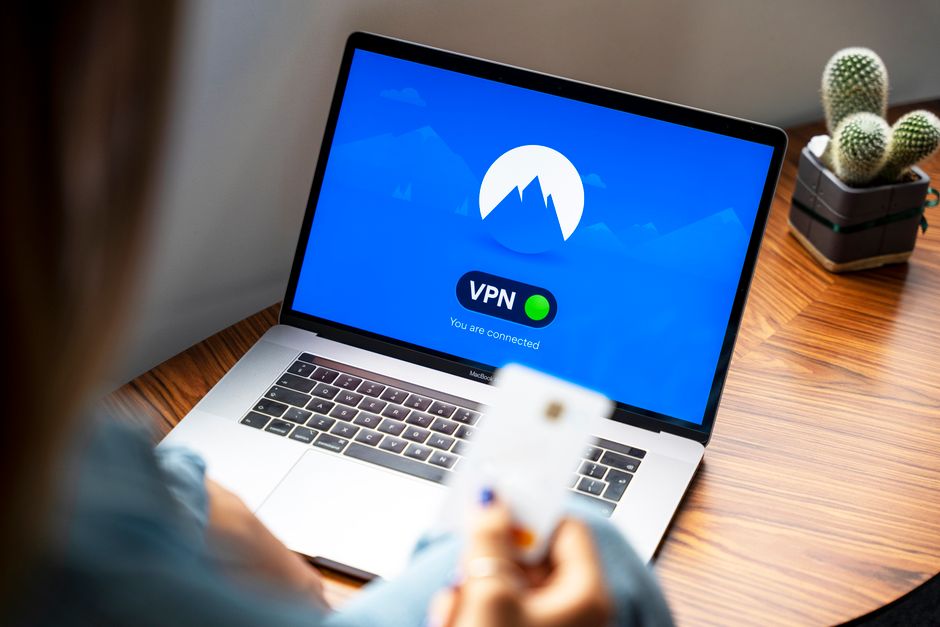
Having delved into the myriad ways a seemingly active VPN can still expose your data, and understanding the complex threat landscape that constantly seeks to exploit these vulnerabilities, it’s time to move beyond diagnosis and into definitive action. The pervasive "one VPN mistake" – the blind trust in an unverified connection – is entirely fixable. Reclaiming your digital anonymity isn't about becoming a cybersecurity expert overnight, but about adopting a few critical habits and implementing practical, step-by-step measures that ensure your VPN is not just connected, but truly secure and leak-proof. This isn't a one-time setup; it's an ongoing commitment to vigilance, a small investment of time that yields immense dividends in privacy and peace of mind.
The first and most crucial step in fortifying your VPN defense is to actively verify its integrity. You wouldn't trust a lock without testing the key, and you shouldn't trust your VPN without testing for leaks. There are several excellent, independent online tools designed specifically for this purpose. Start by visiting sites like `ipleak.net`, `dnsleaktest.com`, or `browserleaks.com`. Before you begin, ensure your VPN is connected to a server. Once on these sites, they will display your current IP address, DNS servers, and potentially WebRTC information. The goal is simple: if your VPN is working correctly, the IP address displayed should be that of your VPN server, not your real IP address. Similarly, the DNS servers listed should belong to your VPN provider, not your ISP. If you see your real IP address, your ISP's DNS servers, or any unexpected IP addresses in the WebRTC section, you have a leak. Take screenshots, note down the issues, and prepare to address them.
Interpreting the results of these leak tests is vital. If `ipleak.net` shows your actual public IP address, your VPN is fundamentally failing at its most basic task. This could be due to a dropped connection, a software glitch, or a misconfiguration. If `dnsleaktest.com` reveals DNS servers belonging to your ISP or any servers not associated with your VPN provider, you have a DNS leak. This means your browsing history is still visible to your ISP. For WebRTC, `browserleaks.com` (under the WebRTC section) might show your local IP address (which is less concerning as it's not externally routable) but, more critically, it might reveal your public IP address. If your real public IP is exposed through WebRTC, then any website can potentially log it. Don't panic if you find a leak; the important thing is that you've identified the vulnerability and can now take corrective action. These diagnostic steps are your first line of defense, transforming passive reliance into active security management.
Configuring Your VPN for Maximum Security
Once you’ve identified potential vulnerabilities, the next phase involves configuring your VPN and browser settings for maximum security. First and foremost, locate and enable the kill switch feature within your VPN client. This is non-negotiable. After enabling it, perform a quick test: connect to your VPN, then manually disconnect your internet connection (e.g., unplug your Ethernet cable or turn off Wi-Fi). Your internet access should immediately cease, preventing any traffic from leaking. Reconnect your internet, and your VPN should ideally reconnect automatically, restoring access. If your internet access remains active while the VPN is disconnected, your kill switch isn't working or isn't properly configured, and you need to investigate your VPN client's settings or contact their support.
Next, address browser-specific vulnerabilities, particularly WebRTC. For Chrome users, consider installing a browser extension like "WebRTC Network Limiter" or "uBlock Origin" (which has WebRTC blocking capabilities) to prevent your real IP from being exposed. Alternatively, you can navigate to `chrome://flags/#disable-webrtc` and enable the "Anonymize local IPs exposed by WebRTC" flag, though extensions offer more comprehensive control. Firefox users have better built-in options; type `about:config` into the address bar, search for `media.peerconnection.enabled`, and set it to `false` to disable WebRTC entirely, or search for `media.peerconnection.ice.default_address_only` and set it to `true` to limit WebRTC to only reporting local IP addresses. Brave browser, being privacy-focused, often has better default WebRTC handling, but it's always worth checking its settings. Disabling or limiting WebRTC is a crucial step to prevent those insidious IP leaks.
Finally, ensure your VPN is using a strong, modern protocol. Prioritize WireGuard or OpenVPN (UDP) for the best balance of speed and security. Avoid older protocols like PPTP or L2TP/IPSec whenever possible, as they are either insecure or less efficient. Most reputable VPN clients will default to a secure protocol, but it's always wise to check your settings. Some advanced users might consider setting custom DNS servers within their operating system (e.g., Cloudflare's 1.1.1.1 or Google's 8.8.8.8) to prevent DNS leaks, but this should only be done if your VPN client doesn't properly handle DNS or if you have specific reasons to use third-party DNS. Be cautious, as improperly configured custom DNS can also lead to leaks or security issues if not integrated correctly with your VPN's tunnel.
Selecting a Trustworthy VPN Provider and Cultivating Vigilance
Choosing the right VPN provider is the bedrock of your privacy strategy. Look for services that have a proven, independently audited no-logs policy. Transparency is key; a good VPN will clearly articulate what data, if any, they collect and why. Prioritize providers with a strong reputation for security, robust encryption standards (AES-256), a wide network of servers, and excellent customer support. Red flags include free VPNs (as discussed, they often monetize your data), providers with vague privacy policies, or those based in countries with intrusive surveillance laws (e.g., Five Eyes, Nine Eyes, Fourteen Eyes alliances) unless they have a strong, audited no-logs track record. Read expert reviews and user testimonials, but always cross-reference them with independent audits and real-world performance tests.
Beyond the VPN itself, browser hardening is another critical layer of defense. Install reputable ad blockers and tracking prevention extensions like uBlock Origin or Privacy Badger. Configure your browser to block third-party cookies by default and consider using privacy-focused browsers like Brave or Firefox (with enhanced tracking protection set to strict). Regularly clear your browser's cache and cookies. Think about your operating system's privacy settings too; many OSes collect telemetry data that can be minimized. This holistic approach ensures that even if a tiny fragment of data were to slip past your VPN, the rest of your digital environment is hardened against exploitation.
Ultimately, the "one VPN mistake" is a call to cultivate a habit of vigilance. Online privacy is not a destination; it's a continuous journey. Regularly re-run those leak tests, stay informed about the latest cybersecurity threats and VPN developments, and don't blindly trust any 'connected' status. Your digital anonymity is a precious commodity in an increasingly surveilled world. By actively verifying your VPN’s integrity, meticulously configuring your settings, choosing reputable providers, and adopting a broader posture of digital hygiene, you transform from a passive user into an empowered guardian of your own data. Take control, verify, and secure your online life, starting now.