Beyond the Obvious Deeper Dives Into Niche Data Leaks and Vulnerabilities
When we talk about digital footprints, the immediate thoughts often jump to social media or browsing history. However, the true landscape of data leaks and vulnerabilities extends far beyond these obvious culprits, delving into the mundane corners of our digital lives that we rarely scrutinize. It's in the often-overlooked details, the seemingly innocuous services, and the subtle interactions where some of the most profound privacy risks lie. For someone deeply embedded in the cybersecurity niche, it becomes clear that true digital self-defense requires a comprehensive understanding of these niche vulnerabilities, recognizing that every digital interaction, no matter how small or seemingly insignificant, carries the potential to expose sensitive information. This isn't about paranoia; it's about informed caution and a realistic assessment of the pervasive mechanisms designed to collect and exploit our data.
Take, for instance, email privacy – a concept many still mistakenly believe is inherently secure. While the content of your emails might be encrypted in transit by major providers, the metadata, and increasingly, the content itself, is often scanned, analyzed, and used for various purposes. Most free email services, like Gmail, rely on sophisticated algorithms to scan your messages for keywords, patterns, and even sentiment, using this information to serve targeted advertisements or to build richer user profiles. It’s a subtle but powerful form of data extraction from what many consider a private communication channel. Beyond the email provider itself, a more insidious threat comes from "email tracking pixels." These are tiny, often invisible, 1x1 pixel images embedded in emails, typically by marketers or senders. When you open an email containing one of these pixels, it sends a signal back to the sender, revealing that you opened the email, when you opened it, how many times, and even your approximate location based on your IP address. This allows senders to track engagement, but it also means that simply opening an email can contribute to your passive digital footprint, revealing patterns of interest and activity that you never intended to share. The myth of email as a truly private medium is one that needs to be thoroughly debunked, as it's a constant vector for data collection and surveillance, both benign and malicious.
Another often-underestimated area of exposure lies in our online shopping habits and payment data. Every time you make a purchase online, you're not just exchanging money for goods; you're generating a wealth of data. Retailers track not only what you buy but also what you browse, how long you linger on certain product pages, what items you put in your cart and then abandon, and even the device you're using. This data is invaluable for understanding consumer behavior, but it also creates a detailed record of your preferences, financial capacity, and lifestyle. This information is often shared with third-party analytics firms and data brokers, further enriching your existing digital profile. Beyond the retailers themselves, payment processors (like PayPal, Stripe, etc.) also handle sensitive financial information. While they are generally highly secure, they represent another layer in the data supply chain where vulnerabilities can arise. Furthermore, the increasing prevalence of supply chain attacks means that even if a major retailer has robust security, a breach at a smaller, less secure third-party vendor involved in their payment or logistics process could still expose your data. The convenience of online shopping comes with a hidden cost: a meticulously detailed record of your spending habits and financial life, constantly being analyzed and shared across a vast network.
The Internet of Things A Network of Listening Ears and Watching Eyes
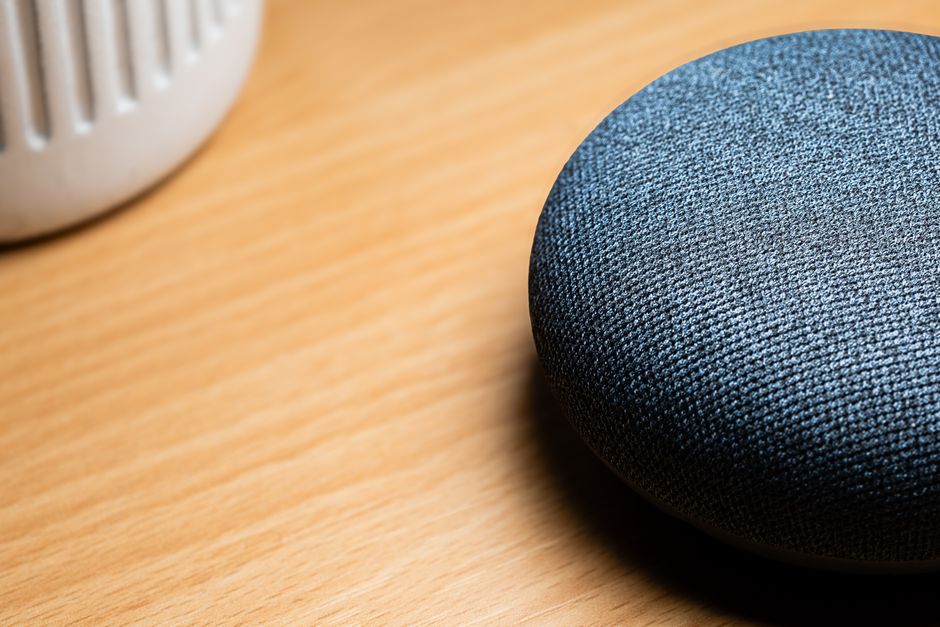
Perhaps one of the most rapidly expanding and least understood frontiers of digital footprint exposure lies within the burgeoning world of smart devices, often grouped under the umbrella term "Internet of Things" (IoT). These are not just your smartphones and computers; they are your smart TVs, voice assistants (Alexa, Google Assistant, Siri), smart home security cameras, baby monitors, smart thermostats, connected fitness trackers, and even smart appliances like refrigerators and washing machines. Each of these devices, designed to make our lives more convenient, is also a potential listening ear, watching eye, or data collection point, constantly gathering information about your environment and your habits. The privacy implications are staggering, as these devices bring data collection directly into the most intimate spaces of our homes and lives.
Voice assistants, for instance, are designed to be always listening for their wake word. While companies claim that recordings are only sent to the cloud after the wake word is detected, numerous reports have revealed instances where snippets of conversations, sometimes sensitive ones, were inadvertently recorded and even reviewed by human contractors for quality control purposes. Imagine having a private conversation in your living room, only for fragments of it to be analyzed by a stranger hundreds or thousands of miles away. Similarly, smart TVs often come equipped with "automatic content recognition" (ACR) technology, which can identify what you're watching (whether through cable, streaming, or even gaming consoles) and use that data to serve targeted advertisements. Your smart home security cameras, while providing peace of mind, can also be vulnerable to hacking, potentially allowing unauthorized individuals to view live feeds of your home. The data collected by fitness trackers – your heart rate, sleep patterns, activity levels, and location – creates an incredibly intimate health and lifestyle profile that could be leveraged by insurers or even employers.
The core issue with IoT devices is often a combination of lax security, opaque privacy policies, and a lack of user control. Many devices are shipped with default, weak passwords, or unpatched vulnerabilities that hackers can exploit. Furthermore, the data collected by these devices is frequently sent to cloud servers managed by the manufacturer or third-party service providers, creating new points of vulnerability. The terms of service often grant these companies broad rights to collect, use, and share the data generated by their devices, often with little transparency about how that data is protected or who it is shared with. As our homes become increasingly "smart," they also become increasingly porous, emitting a constant stream of highly personal data that contributes to an ever-expanding and deeply intimate digital footprint, often without our full understanding or informed consent. Securing this frontier requires not just vigilance, but a fundamental shift in how we approach the integration of technology into our personal spaces, demanding greater transparency, stronger security, and more robust privacy controls from manufacturers.
The Perils of Public Wi-Fi and the Forgotten Accounts Dilemma
Beyond our personal devices and home networks, our digital footprint is also vulnerable in the public sphere, particularly when connecting to public Wi-Fi networks. These networks, often found in cafes, airports, hotels, and libraries, are notoriously insecure. Without proper encryption, any data you transmit over an unencrypted public Wi-Fi network – including sensitive information like login credentials, emails, or banking details – can be intercepted by malicious actors using simple sniffing tools. This is a classic "man-in-the-middle" attack scenario, where an attacker positions themselves between you and the Wi-Fi hotspot, intercepting all your traffic. Even if the network is password-protected, it doesn't guarantee security, as many public networks use shared passwords, rendering them equally vulnerable. The convenience of free public Wi-Fi often comes at the steep price of compromised privacy and security, making it a significant vector for data leaks and identity theft.
Finally, a major contributor to an overgrown and vulnerable digital footprint is the sheer number of "forgotten accounts" we accumulate over the years. Think about all the websites you've ever signed up for – that niche forum you visited once, the online store you used for a single purchase, the free trial for a service you never continued, or the old social media platform that fell out of favor. Each of these accounts, even if dormant, likely still holds some of your personal data: your name, email address, possibly your date of birth, mailing address, or even payment information if you used it. These forgotten accounts are prime targets for data breaches because they are often neglected by users, who rarely update their passwords or monitor them for suspicious activity. When a breach occurs at one of these forgotten services, your old data, potentially secured with a weak or reused password, can be exposed, providing a pathway for attackers to access your other, more active accounts. It's a digital graveyard of forgotten identities, each headstone a potential vulnerability waiting to be exploited.
The problem is compounded by the fact that many people reuse passwords across multiple services. If a hacker obtains your email and password from a breach of a forgotten, obscure website, they can then attempt to use those same credentials to access your more critical accounts, such as your email provider, banking apps, or primary social media profiles. This is known as "credential stuffing" and it's an incredibly effective technique for cybercriminals. The accumulation of these dormant accounts, each a potential repository of your personal information and a weak link in your overall security posture, highlights the critical need for a thorough audit and systematic cleanup. It’s a testament to the fact that protecting your digital footprint isn't just about what you're doing now, but also about meticulously managing the digital detritus of your past, ensuring that even your forgotten online selves aren't leaving you exposed to unseen dangers.