The intricate web of digital surveillance continues to expand, ensnaring even our most cherished pastimes and personal health endeavors. It's a testament to the insatiable hunger for data that permeates the app economy, where every interaction, every piece of information, is a potential goldmine. As a seasoned observer of this digital landscape, I've seen countless examples of how seemingly innocent applications leverage our trust to gather highly sensitive data, often with profound implications for our privacy and security. Let's explore how our gaming habits and health pursuits are being silently monitored and monetized.
The Hidden Cost of "Free-to-Play" Entertainment
Mobile gaming has exploded in popularity, offering captivating experiences that range from casual puzzles to immersive role-playing adventures, often at no upfront cost. These "free-to-play" (F2P) games, however, operate on a sophisticated business model that frequently involves extensive data collection, transforming what appears to be harmless entertainment into a significant privacy risk. While their primary revenue streams come from in-app purchases and displaying advertisements, these games also generate immense value by collecting vast amounts of user data, which is then used for targeted advertising, behavioral analysis, and often sold to third-party data brokers. The fun and distraction come with a hidden price tag: your personal information.
The data collected by mobile gaming apps can be incredibly diverse and detailed. It includes device identifiers, IP addresses, geographical location, app usage patterns (how long you play, what levels you reach, what items you interact with), in-game purchases, and even your network provider. Many games integrate numerous third-party SDKs for analytics, advertising, and social sharing, each of which can independently collect and transmit user data. A striking example involved several popular children's games that were found to be collecting persistent identifiers and other data from young users without parental consent, in violation of privacy laws, highlighting the egregious nature of some of these practices. This isn't merely about improving game performance; it's about building comprehensive profiles of players to maximize engagement, optimize ad targeting, and ultimately, increase revenue through data monetization.
Furthermore, the aggressive ad networks embedded within many F2P games are particularly intrusive. They often require extensive permissions to deliver "personalized" ads, turning your gaming experience into a constant surveillance session. These ad networks track your activity within the game, across other apps, and even your general browsing habits, all to serve you the most relevant, and therefore most clickable, advertisements. The constant flow of data between your gaming app and these ad exchanges creates a complex web of tracking, making it incredibly difficult to ascertain exactly what information is being shared and with whom. For many users, the casual nature of mobile gaming obscures the reality that their devices are actively participating in a massive data harvesting operation, where their playtime is being monetized in ways far beyond direct purchases. It’s a stark reminder that in the digital economy, if a product is free, you are often the product being sold.
The Intimate Details of Your Health and Wellness
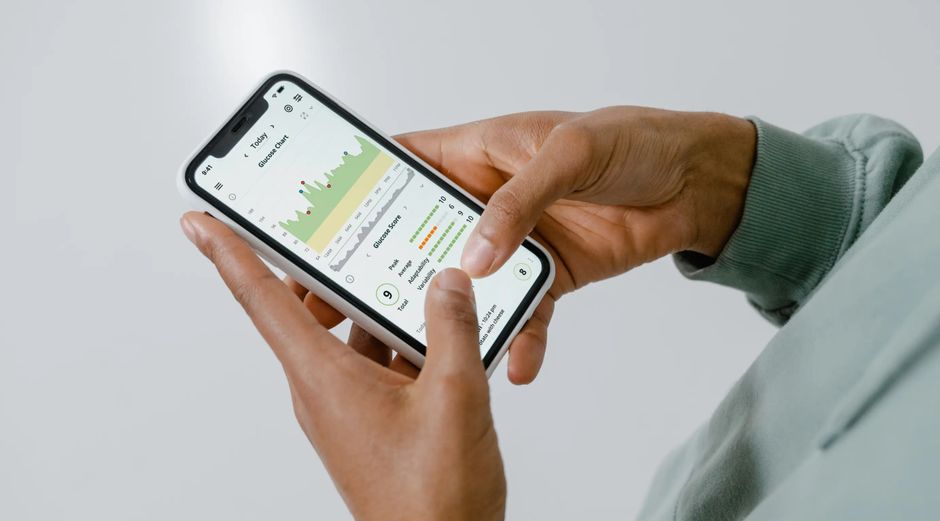
Perhaps no category of apps collects more sensitive and intimate personal data than health, fitness, and wellness trackers. From smartwatches monitoring your heart rate and sleep patterns to apps logging your diet, exercise routines, and even menstrual cycles, these tools promise to help us lead healthier lives. The irony, however, is that in our pursuit of wellness, we often willingly surrender some of the most private aspects of our existence to applications that may not have our best privacy interests at heart. This highly personal data, if mishandled or compromised, carries immense risks, ranging from targeted discrimination to identity theft and even blackmail.
The sheer volume and granularity of health data collected by these apps are staggering. It includes biometrics (heart rate, blood pressure, oxygen saturation), physical activity levels, sleep quality, dietary intake, weight fluctuations, medication schedules, and for some, even reproductive health information. While some of this data is processed on the device itself, much of it is uploaded to cloud servers for analysis, synchronization across devices, and to enable "personalized insights." The problem arises when these companies, or the third-party SDKs embedded within their apps, share or sell this highly sensitive health data to advertisers, data brokers, or even insurance companies. A notable incident involved a popular period-tracking app that was found to be sharing highly intimate health data, including sexual activity and menstrual cycle information, with Facebook and other third parties for advertising purposes, sparking widespread outrage and privacy concerns.
"Your health data is not just numbers; it's a narrative of your life, your vulnerabilities, and your future. Handing it over to an app without understanding its privacy practices is like giving someone access to your most private medical records." This highlights the extreme sensitivity of health information.
The implications of such data collection are profound and far-reaching. Aggregated health data is incredibly valuable to marketers looking to target individuals with health-related products, but it also raises ethical concerns about potential discrimination. Could an insurance company deny coverage or raise premiums based on data indicating a "risky" lifestyle? Could employers use this data in hiring decisions? While regulations like HIPAA in the US offer some protection for medical records, many consumer-grade health apps fall into a regulatory gray area, allowing them more leeway in how they collect and monetize your data. The allure of personalized health insights is powerful, but it's crucial to scrutinize the privacy policies of these apps, understand exactly what data they collect, how it's stored, and with whom it's shared. Our health data is arguably the most sacred of our personal information, and entrusting it to a digital platform demands nothing less than absolute transparency and ironclad security commitments.