Our journey through the digital underbelly of app surveillance has unveiled a pervasive network of data collection, often operating silently in the background of our daily lives. From the words we type to the intimate details of our health, it's clear that vigilance is paramount. As someone deeply entrenched in the world of cybersecurity, I consistently encounter new and evolving methods of data harvesting, reinforcing the notion that the fight for digital privacy is an ongoing one. Let's now explore two more categories of apps that often compromise our communications and the very fabric of our connected homes, further blurring the lines between convenience and constant monitoring.
Whispers and Watches: The True Cost of Connectivity
Messaging and communication apps are the lifelines of our modern existence, allowing us to connect with friends, family, and colleagues across the globe. However, not all messaging apps are created equal when it comes to privacy, and some can be significant conduits for secret surveillance. While the content of your messages might be end-to-end encrypted, many apps still collect a wealth of metadata: who you communicate with, when, how often, your location at the time of communication, and even details about your device and network. This metadata, often overlooked by users, can be incredibly revealing, painting a comprehensive picture of your social graph and communication patterns, even without access to the actual message content.
Some messaging apps, particularly those that are "free" and not explicitly built with privacy as their core principle, have been found to access and upload users' entire contact lists, sometimes without explicit consent, creating vast social graphs for their own analytical or advertising purposes. Others might collect call logs, device identifiers, and IP addresses, sharing this information with third-party analytics firms. A prominent example involved a popular messaging app that faced scrutiny for its data sharing policies, which allowed it to share user data with its parent company for targeted advertising and other business purposes. While the app itself might offer encrypted chats, the underlying data collection practices around metadata and user information can still be highly intrusive, undermining the very privacy users expect from a communication tool.
The distinction between privacy-focused messaging apps and their data-hungry counterparts is crucial. Apps like Signal and Threema are built on principles of strong end-to-end encryption and minimal data collection, often operating as non-profits or with subscription models to avoid relying on data monetization. They collect virtually no metadata and do not access your contact list without explicit, granular permission, keeping data local to your device whenever possible. In contrast, many mainstream messaging platforms, while offering some level of encryption, often have business models that necessitate extensive data collection and sharing. This creates a significant privacy paradox: the very tools we use to stay connected can also be the ones most effectively used to map our social networks and communication habits. Choosing wisely means understanding that not all "secure" communication is truly private, and the devil often lies in the details of their data retention and sharing policies.
Your Home, Their Data: The IoT Companion Apps
The proliferation of "smart" home devices and the Internet of Things (IoT) has brought unprecedented convenience, allowing us to control everything from our lights and thermostats to our security cameras and door locks with a tap on our smartphone. However, the companion apps that manage these IoT devices are a burgeoning frontier for secret surveillance, extending data collection beyond our personal devices and into the very fabric of our homes. These apps often collect incredibly intimate data about our living environments, routines, energy usage, and even our voice commands, creating a detailed digital blueprint of our domestic lives that can be exploited for various purposes.
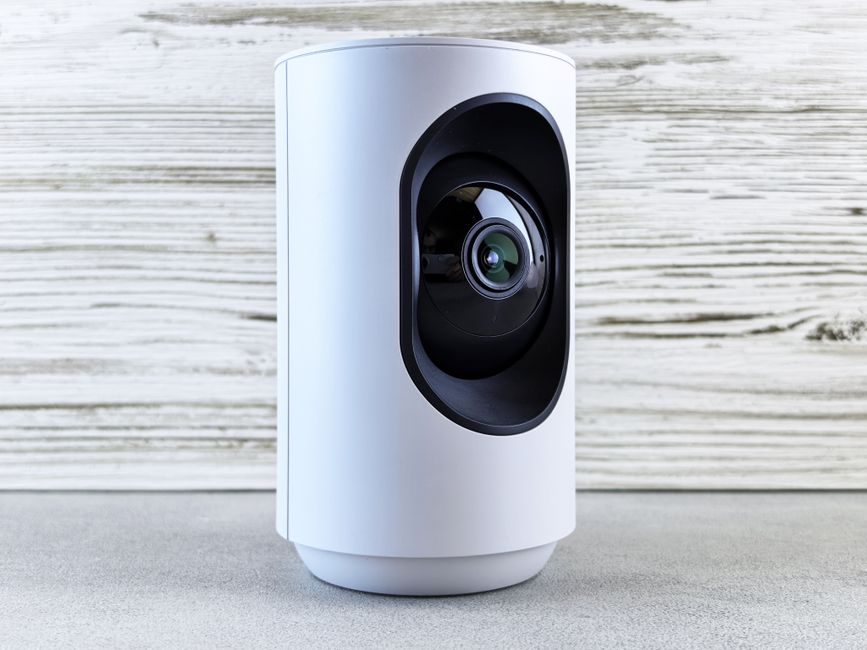
Consider a smart thermostat app. While it needs to know your home's temperature and your preferred settings, many such apps also collect data on your presence within the home, your daily routines (when you leave and return), and your energy consumption patterns. This data, when aggregated, can be incredibly valuable for energy companies, advertisers, and even home security firms. Similarly, smart speaker companion apps record and analyze your voice commands, not just to fulfill requests but often to train AI models and, in some cases, to share anonymized (or sometimes less-than-anonymized) data with third parties. A particularly concerning aspect relates to smart security camera apps, which, if poorly secured, can offer a backdoor into your home, allowing unauthorized access to live feeds or recorded footage, turning your security system into a potential surveillance tool for external actors.
"The smart home promises convenience, but its apps often demand a Faustian bargain: relinquish control over your personal data for the sake of automation. Your home becomes a data factory, and you're the unwilling producer." This quote highlights the inherent trade-off in IoT adoption.
The vulnerabilities in IoT ecosystems are multifaceted. Many companion apps have lax security protocols, weak encryption, or allow excessive permissions, making them prime targets for hackers. Furthermore, the data collected by these apps is often stored on cloud servers, creating centralized repositories of highly sensitive information that, if breached, could expose not just your personal data but also details about your physical home environment. The privacy policies of IoT device manufacturers and their app developers are frequently opaque, making it difficult for consumers to understand exactly what data is being collected, how it's used, and with whom it's shared. As our homes become increasingly connected, the companion apps that manage these devices become critical points of vulnerability, requiring users to exercise extreme caution and scrutinize privacy practices with an even keener eye. The promise of a smarter home should never come at the cost of surrendering the sanctity and privacy of our most personal space.