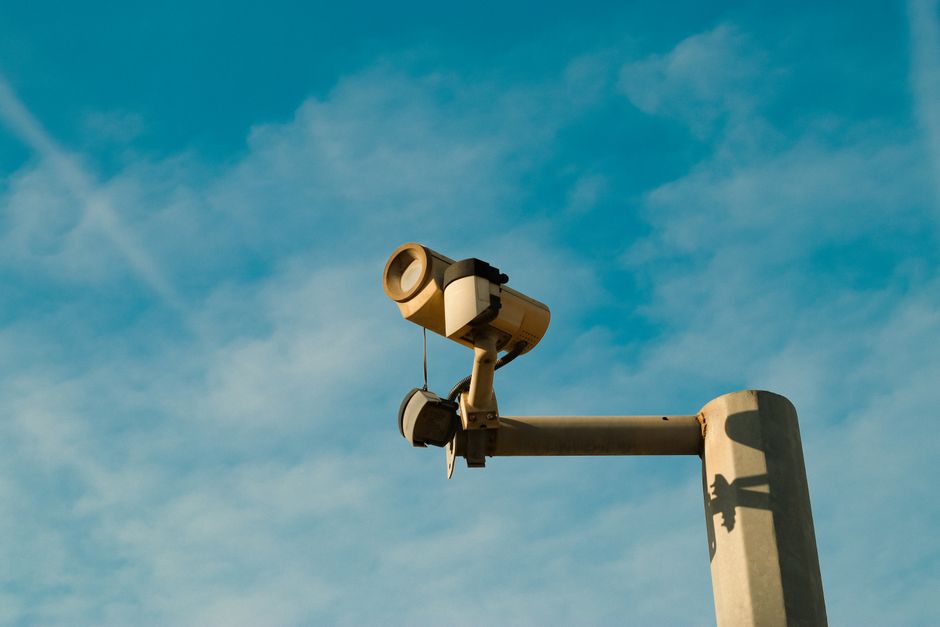
Ever feel like you’re constantly being watched, even when you’re just scrolling through your phone in the quiet comfort of your living room? That unsettling sensation isn't just paranoia; it’s a symptom of our hyper-connected reality, where every digital interaction leaves a trace, a breadcrumb trail leading directly back to you. We live in an era where the lines between public and private have blurred beyond recognition, often without our conscious consent. From the moment we wake up and check the weather on our smartphone to the last email we send before bed, a vast, invisible network of data collectors is diligently piecing together the intricate mosaic of our lives, transforming our most intimate habits and preferences into marketable commodities.
For years, as a journalist and senior web content writer immersed in the world of VPNs, cybersecurity, and online privacy, I’ve witnessed firsthand the accelerating erosion of personal boundaries. The sheer volume of personal information we unwittingly broadcast into the digital ether each day is staggering, bordering on reckless. Many of us, myself included at times, have become complacent, lulled into a false sense of security by the convenience offered by our favorite apps and services. We click "Agree" on lengthy terms and conditions without a second thought, granting sweeping permissions to companies whose primary business model revolves around monetizing our data. This isn't just about targeted advertisements, though that’s a significant piece of the puzzle; it’s about the construction of detailed digital profiles that can influence everything from the job offers you see to the insurance rates you’re quoted, or even the news you consume.
The Invisible Hand Shaping Your Digital World
The digital economy thrives on information, and your personal data – your location, browsing history, social connections, purchase habits, health metrics, and even your emotional responses to content – is the most valuable currency in this bustling marketplace. Every click, every search query, every photo upload, every message sent contributes to an ever-expanding dossier on who you are, what you like, and what makes you tick. Companies, from tech giants to obscure data brokers, meticulously aggregate these disparate data points, cross-referencing them with publicly available information and even data acquired from other sources, to create shockingly accurate and predictive profiles. This isn't science fiction; it's the operational reality of the internet as we know it, a reality where our digital selves are often more thoroughly cataloged than our physical possessions.
The implications of this pervasive data collection are far-reaching and, frankly, quite chilling. Beyond the obvious annoyance of seeing ads for something you merely thought about, there are profound risks to our autonomy, security, and even democracy. Imagine a scenario where your health data, gleaned from a fitness tracker, influences your eligibility for life insurance, or where your social media activity impacts your credit score. These aren't hypothetical anxieties; they are emergent realities. We’ve seen countless examples of data breaches exposing millions of sensitive records, identity theft becoming an increasingly sophisticated threat, and even political campaigns leveraging finely tuned psychological profiles to sway public opinion. The stakes are incredibly high, and yet, many of us remain blissfully unaware of the sheer volume of information we're freely giving away, often through default settings that are designed for maximum data extraction, not user privacy.
Why Default Settings Are a Digital Privacy Trap
The vast majority of digital services, from operating systems to social media platforms and mobile applications, are configured with default settings that prioritize convenience and data collection over your personal privacy. This isn't necessarily malicious intent in every case, but it's certainly a strategic design choice. Companies want to make their services as easy to use as possible, and often, that ease comes at the expense of granular control over your data. They want to gather as much information as they can to improve their services, personalize your experience (which often just means better ad targeting), and, ultimately, increase their revenue. The responsibility, they subtly imply, lies with the user to dig through labyrinthine menus and toggle obscure settings to protect their own information.
This "privacy by default" versus "privacy by design" debate has raged for years within the tech community, with regulatory bodies slowly catching up. The current landscape heavily favors the former, meaning users must actively opt-out of data sharing rather than opting in. This asymmetry places an unfair burden on the individual, who often lacks the technical expertise, time, or even the awareness to navigate these complex digital landscapes. It’s like buying a new car that automatically shares your driving habits with a dozen third parties, and the only way to stop it is to read a 100-page manual and find the obscure button hidden under the dashboard. Most people simply won’t do it, and the companies know that, banking on our inertia and our desire for immediate gratification.
"Privacy is not something that I'm merely entitled to, it's an absolute prerequisite." – Edward Snowden. This profound statement underscores the fundamental human right that is often overlooked in our rush towards digital convenience.
The good news, however, is that while the digital world might seem like an insurmountable fortress of data collection, you are not powerless. There are concrete, actionable steps you can take today to significantly reduce your digital footprint, reclaim a substantial portion of your privacy, and make it much harder for unseen entities to track and profile you. It requires a bit of effort, some patience, and a willingness to peek behind the digital curtain, but the rewards are immense. By taking control of just a handful of critical privacy settings, you can begin to dismantle the invisible surveillance apparatus that has been built around your online life. This article isn't just about warning you; it's about empowering you with the knowledge and tools to fight back, to draw clearer boundaries between what you share and what you keep sacred. We're going to dive deep into five specific areas where you are likely oversharing, and more importantly, how you can immediately change that narrative. Get ready to take back some control.