Having peeled back the layers of digital surveillance, from the omnipresent data harvesting of social media to the insidious tactics of stalkerware, the natural question that arises is: what now? The landscape might seem daunting, and the threats incredibly sophisticated, but despair is not the answer. Empowerment comes from knowledge, and more importantly, from actionable steps. It’s entirely possible to significantly reduce your digital footprint, reclaim a substantial degree of your privacy, and shut down these digital spies, often in a matter of minutes. This isn't about becoming a cybersecurity expert overnight, but about adopting a mindful approach to your digital life, making conscious choices about the technology you invite into your personal space, and understanding the power you still hold over your own data. The goal is to transform from a passive participant in the data economy to an active guardian of your personal information.
Reclaiming Your Digital Sanctuary: Practical Steps to Shut Down the Spies
The journey to enhanced digital privacy begins with a thorough audit of your device, starting with the very permissions you've granted to your applications. This is perhaps the most impactful step you can take immediately. Both Android and iOS provide robust permission management tools, but they require your active engagement. Take a deep breath and dedicate some time to systematically review every single app installed on your device. Ask yourself: does this flashlight app genuinely need access to my microphone, contacts, and precise location? Does this game really require access to my camera roll? The answer, more often than not, is a resounding no. Revoke any unnecessary permissions immediately. Prioritize permissions like location, microphone, camera, contacts, and storage, as these are the most common avenues for invasive data collection. Remember, you can always grant a permission later if an app genuinely needs it for a specific function, but it's always better to start with the least access possible.
Beyond permissions, a crucial step involves a digital detox and app auditing. We all accumulate apps over time, many of which are used once and then forgotten. These dormant apps can still be quietly collecting data in the background, consuming resources, and posing potential security risks if they become outdated or vulnerable. Go through your app drawer with a critical eye. If you haven't used an app in months, or if you can’t remember why you installed it, it’s a prime candidate for uninstallation. Less is often more when it comes to digital security. Furthermore, for apps you do use regularly, consider whether a privacy-focused alternative exists. For instance, instead of the default browser, explore options like Brave or Firefox Focus. Instead of certain messaging apps, look into Signal. These alternatives are often designed with privacy as a core feature, rather than an afterthought, and their business models typically don't rely on selling your data.
The operating system itself is your first line of defense, and keeping it updated is non-negotiable. Software updates often include critical security patches that fix vulnerabilities exploited by malicious apps and spyware. Delaying updates leaves your device exposed to known threats. Similarly, maintaining strong, unique passwords for all your online accounts, and enabling two-factor authentication (2FA) wherever possible, creates a robust barrier against unauthorized access. Even if a malicious app manages to capture your password, 2FA can prevent an attacker from logging into your accounts. This foundational security hygiene, while seemingly basic, is often overlooked and represents a significant vulnerability that even the most sophisticated spyware can exploit if your accounts are easily compromised.
Building a Fortress for Your Digital Self: Advanced Protections and Mindful Habits
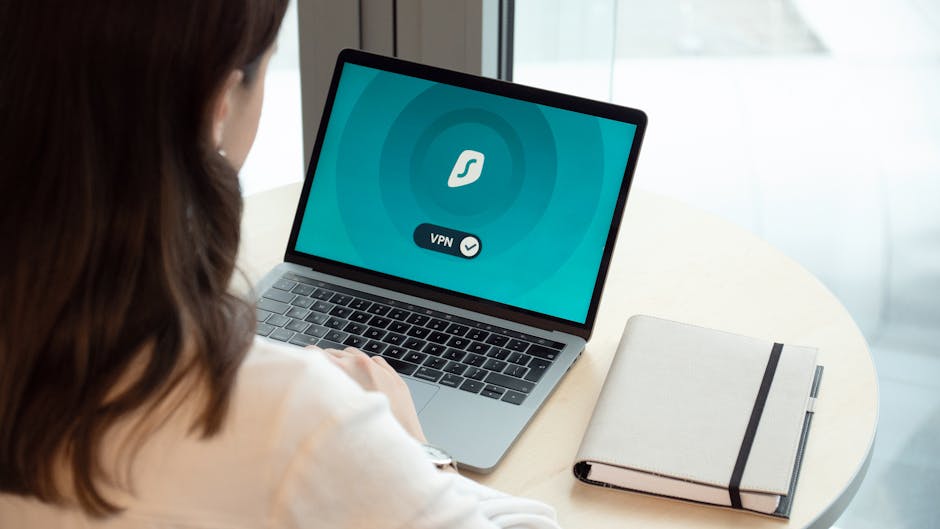
For those looking to add an extra layer of defense, especially against network-level surveillance, a reputable Virtual Private Network (VPN) is an indispensable tool. When you connect to the internet through a VPN, your data traffic is encrypted and routed through a secure server, masking your IP address and making it incredibly difficult for your Internet Service Provider (ISP), public Wi-Fi operators, or even malicious apps to snoop on your online activities. While a VPN won't stop an app from collecting data *after* it's been installed on your device and granted permissions, it provides crucial protection against external monitoring of your network traffic, adding a significant barrier to pervasive tracking and helping to maintain your anonymity online. Choose a VPN provider with a strong no-logs policy and a proven track record of security and privacy.
Beyond technical solutions, cultivating mindful digital habits is perhaps the most sustainable long-term strategy. This includes critically evaluating every app before installation: checking reviews, researching the developer, and scrutinizing the requested permissions *before* you click "install." If an app asks for permissions that seem entirely unrelated to its function, consider it a major red flag. Similarly, be extremely cautious about clicking on suspicious links, opening attachments from unknown senders, or granting physical access to your device to anyone you don't absolutely trust. Social engineering remains a primary vector for installing malicious software, and a healthy dose of skepticism can prevent many potential compromises. Remember, your phone is a highly personal device, and its security is paramount to your overall privacy.
"The price of freedom is eternal vigilance." – Thomas Jefferson. In the digital age, the price of privacy is eternal vigilance over our apps, our permissions, and our online habits.
Finally, empower yourself by staying informed. The landscape of cybersecurity and online privacy is constantly evolving, with new threats and new solutions emerging regularly. Follow reputable cybersecurity news sources, engage with privacy advocates, and educate yourself on the latest tactics used by data collectors and malicious actors. Understanding the "why" behind these privacy recommendations will make you a more proactive and effective guardian of your digital self. It's not about achieving perfect anonymity, which is largely an impossible dream in our hyper-connected world, but about creating friction for those who seek to exploit your data, making it harder, more expensive, and less appealing for them to track your every move. By taking these practical, actionable steps, you transform your smartphone from a potential spy into a controlled, private extension of your life, allowing you to navigate the digital world with greater confidence and peace of mind.