We’ve all been there: scrolling through an endless feed, a new notification pings, or a quick search for a local coffee shop, and suddenly, ads for that exact coffee shop, or even related products, start popping up everywhere. It feels uncanny, doesn’t it? Almost as if our devices, these extensions of ourselves, are listening in on our most private thoughts and conversations. For years, this phenomenon was dismissed as mere coincidence, a trick of the mind, or the vague notion of ‘smart’ algorithms doing their job. But what if that unsettling feeling, that creeping suspicion that your phone is a silent eavesdropper, isn't paranoia at all? What if some of the most seemingly innocent applications on your smartphone, the very ones you trust with your daily routines, are indeed meticulously logging your every move, listening to your most intimate discussions, and piecing together a detailed mosaic of your life without your explicit, informed consent?
The digital age, for all its unparalleled convenience and connectivity, has ushered in a profound and often unsettling trade-off: our privacy. Every tap, every swipe, every spoken word near a microphone-enabled device generates a data point, a tiny digital breadcrumb that, when aggregated, paints an astonishingly clear picture of who we are, where we go, what we like, and even how we feel. This isn't just about targeted advertising anymore; it's about a vast, opaque ecosystem of data brokers, advertisers, and even less scrupulous entities monetizing every facet of our digital existence. We willingly download apps that promise to simplify our lives, from checking the weather to scanning a QR code, rarely pausing to scrutinize the extensive permissions they demand or the labyrinthine privacy policies written in language dense enough to deter even the most vigilant user. The truth is, many of these 'harmless' utilities are Trojan horses, designed not just to serve their stated function but to act as persistent spies in your pocket, silently relaying streams of highly personal information back to their creators and, often, a shadowy network of third-party partners.
Unveiling the Hidden Data Economy Behind Your Everyday Apps
The concept of 'free' apps has always been a bit of a misnomer; if you’re not paying for the product, then you are the product. This adage rings truer today than ever before, as the global market for personal data has exploded into a multi-billion dollar industry. Companies are ravenous for insights into consumer behavior, and the most efficient way to gather this goldmine of information is through the very devices we carry everywhere. Every app, particularly those that are ad-supported or offer in-app purchases, has an incentive to collect as much data as possible. This data isn’t just used to show you relevant ads; it’s packaged, anonymized (sometimes poorly), and sold to data brokers who then compile comprehensive profiles on individuals. These profiles can include everything from your precise location history, your political leanings, your health status, your financial habits, and even your emotional state based on your browsing patterns and social media interactions. It's a surveillance economy operating in plain sight, hidden behind cheerful icons and promises of convenience.
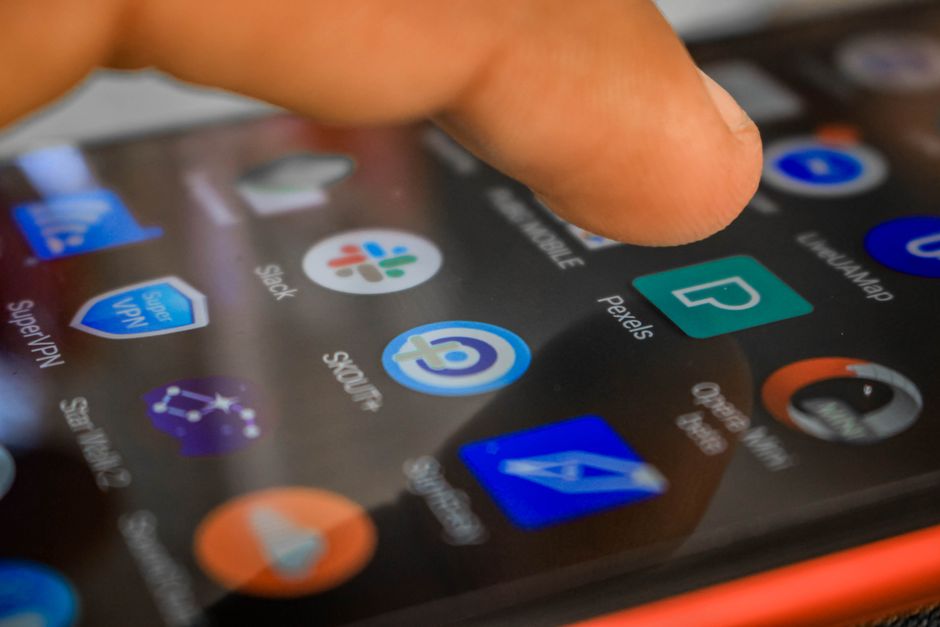
Consider for a moment the sheer volume of data being generated. A study by Statista showed that the average smartphone user has upwards of 80 apps installed on their device, with about 40 being used regularly. Each of these apps, even the most seemingly innocuous ones, often requests a raft of permissions: access to your microphone, camera, contacts, photo gallery, storage, and, most critically, your precise location. While some permissions are necessary for an app’s core functionality – a camera app needs camera access, naturally – many others are entirely superfluous to the app's stated purpose. Why does a simple flashlight app need to know your exact GPS coordinates 24/7? Why does a casual game need access to your microphone? These are the questions we rarely ask, but the answers lie in the lucrative world of data harvesting. The danger isn't just the collection itself, but the potential for this data to be misused, breached, or even weaponized against individuals. From personalized phishing attacks to discriminatory pricing, the consequences of this pervasive tracking are far more insidious than a mere barrage of targeted ads.
The Silent Whispers of Your Microphone and the Digital Footprints of Your GPS
Perhaps the most unsettling aspect of this covert surveillance is the potential for apps to access your device’s microphone and location services without your explicit, real-time knowledge. While modern operating systems like iOS and Android have made strides in alerting users when the microphone or camera is active, many apps employ clever workarounds or leverage broad permissions granted during initial setup. Imagine discussing sensitive personal matters, financial details, or even private family issues in the vicinity of your phone, only for those conversations to be processed by an algorithm looking for keywords. This isn't science fiction; it's a known capability, often justified by companies as a way to "improve user experience" or "understand market trends." Similarly, your location data, often collected with high precision, can reveal intimate details about your daily routine: where you live, where you work, where you worship, who you meet, and even your healthcare appointments. This information, when aggregated over time, can be used to infer incredibly personal aspects of your life, making you vulnerable to various forms of exploitation.
"The data collected by seemingly benign apps isn't just about showing you relevant ads; it's about building a digital doppelgänger, a comprehensive profile that can predict your behavior, influence your decisions, and even dictate your opportunities in the real world." - Dr. Eleanor Vance, Cybersecurity Ethicist at the Digital Privacy Institute.
The problem is further exacerbated by the 'supply chain' of data. An app might collect your location, but it doesn't necessarily keep it to itself. It often shares this data with dozens, sometimes hundreds, of third-party advertising partners, data analytics firms, and other entities, each with their own privacy policies (or lack thereof). This creates a sprawling web of data exchange, making it virtually impossible for an individual to trace where their data has gone or how it's being used. A single data breach at any point in this chain can expose millions of users to identity theft, fraud, and other severe privacy violations. The illusion of anonymity, often promised by data brokers, is frequently shattered by sophisticated de-anonymization techniques that can link seemingly random data points back to specific individuals. This intricate dance of data collection and distribution has transformed our smartphones from personal communication tools into powerful, always-on surveillance devices, often without our full understanding or consent.