As we delve deeper into the labyrinth of hidden cybersecurity traps, it becomes increasingly evident that the human element remains the most persistent and vulnerable link in the digital chain. No matter how robust our firewalls, how strong our encryption, or how diligently we apply our software updates, the ingenuity of human deception can often bypass these technical safeguards entirely. This isn't a flaw in the technology itself, but rather a testament to the powerful psychological levers that can be pulled to manipulate individuals into making security-compromising decisions. My years of analyzing countless breach reports have shown that while ransomware and malware are often the tools of compromise, social engineering is frequently the initial vector, the cunning trick that opens the door. This brings us to a trap that exploits our trust, our curiosity, and even our fear.
The Psychological Manipulation of Phishing and Social Engineering Beyond Email
When most people hear "phishing," their minds immediately conjure images of poorly worded emails from Nigerian princes or fake bank alerts riddled with grammatical errors. While these rudimentary attempts still persist, and indeed, still claim victims, the trap of phishing and social engineering has evolved into a far more sophisticated, insidious, and pervasive threat, extending well beyond the confines of your email inbox. This isn't just about technical exploits; it's about the exploitation of human psychology—our biases, our tendencies to trust, our susceptibility to urgency, authority, and even greed. My experience investigating countless corporate and individual compromises has consistently shown that the human element is, more often than not, the weakest link, manipulated by highly cunning adversaries who understand the nuances of persuasion better than many marketers.
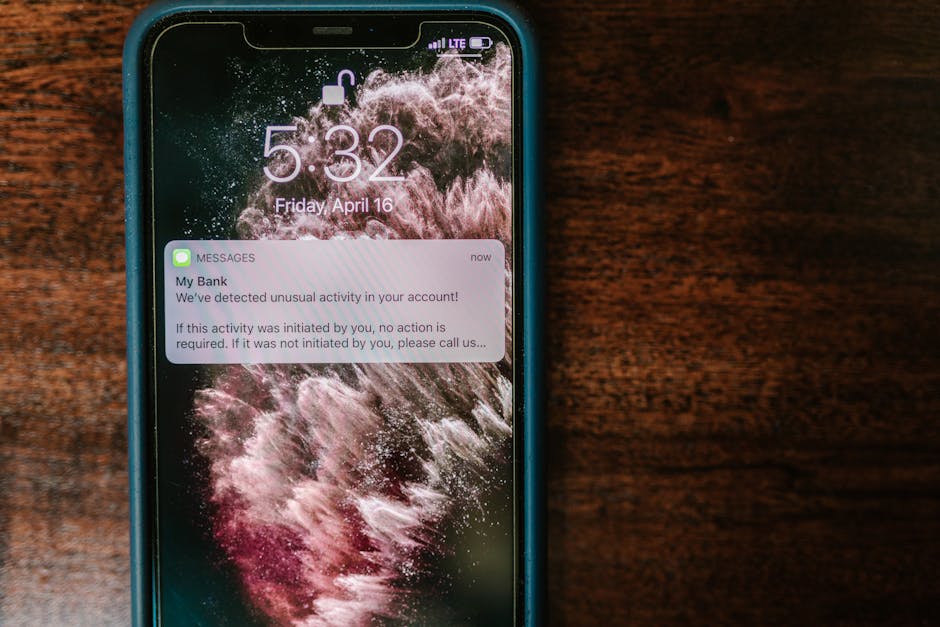
The modern social engineering landscape is a multi-faceted assault, encompassing a spectrum of tactics far removed from the stereotypical phishing email. We now contend with "vishing" (voice phishing), where attackers impersonate legitimate entities—banks, government agencies, tech support—over the phone, using convincing scripts and spoofed caller IDs to extract sensitive information or coerce victims into installing malicious software. Then there's "smishing" (SMS phishing), where malicious links or requests for personal data arrive via text message, often masquerading as delivery notifications, password reset alerts, or urgent security warnings. These attacks leverage the immediacy and perceived intimacy of text messages, often catching victims off guard and prompting hasty, ill-advised responses. The sheer volume and variety of these attacks make them incredibly difficult to defend against, as they blend seamlessly into the legitimate communications we receive daily.
Beyond the direct communication channels, social engineering also manifests in more subtle forms, such as "pretexting" and "baiting." Pretexting involves creating a believable, fabricated scenario (a "pretext") to gain trust and extract information. An attacker might call an employee pretending to be from IT support, claiming there's an urgent network issue requiring their login credentials. Baiting, on the other hand, preys on curiosity or greed, like leaving an infected USB drive labeled "Confidential Employee Salaries" in a public place, hoping someone will plug it into their computer. These tactics highlight the core principle of social engineering: it's not about hacking computers; it's about hacking people. The most advanced firewalls and encryption mean nothing if an employee willingly hands over their credentials to a convincing imposter, or if a user downloads malware disguised as something desirable.
The Art of Human Hacking and its Evolving Face
The art of human hacking has become alarmingly sophisticated, leveraging publicly available information and psychological principles to craft highly targeted and believable attacks. This is where "spear phishing" and "whaling" come into play. Spear phishing targets specific individuals or organizations with highly customized messages, often incorporating details gleaned from social media profiles, company websites, or previous data breaches. Attackers might reference a recent company event, a colleague's name, or a specific project, making the email or message appear incredibly legitimate. Whaling is an even more targeted form of spear phishing, aimed specifically at high-value targets like CEOs, CFOs, or other executives, often with the goal of initiating fraudulent wire transfers or gaining access to critical corporate data. The success rates of these highly personalized attacks are significantly higher than generic phishing attempts, precisely because they bypass our initial skepticism by appearing so relevant and authentic.
"You can patch software, but you can't patch human psychology. Social engineering preys on our inherent trust, our desire to help, and our susceptibility to authority. It's the ultimate backdoor." – Cybersecurity Behavioral Analyst, Dr. Lena Petrova.
The rise of deepfake technology and AI-generated content is adding another terrifying dimension to this trap. Imagine receiving a phone call where the voice on the other end perfectly mimics your CEO, issuing an urgent, off-the-books wire transfer request. Or a video conference where a deepfake of a senior executive appears to authorize a sensitive data transfer. These technologies are making it increasingly difficult to discern reality from sophisticated fabrication, eroding our ability to trust even seemingly direct communications. Attackers are constantly innovating, leveraging new technologies and insights into human behavior to create more convincing and persuasive scams. This means that our defenses against social engineering can no longer rely solely on spotting obvious red flags; they must evolve to include critical thinking, verification protocols, and a healthy dose of skepticism for *all* unsolicited requests, regardless of how legitimate they might appear.
Moreover, the ubiquitous presence of social media platforms has become a goldmine for social engineers. Attackers scour profiles for personal details, connections, interests, and even vacation plans, all of which can be used to craft highly effective pretexts. A seemingly innocent connection request from a fake profile might be a reconnaissance mission to map an organization's internal structure. A comment on a post might lead to a direct message that initiates a scam. This blurring of lines between personal and professional digital identities, combined with our natural inclination to share information online, creates an environment ripe for exploitation. Escaping this trap requires not just technical awareness, but a fundamental shift in how we approach online interactions, fostering a culture of continuous verification and a deep understanding that not everything, or everyone, online is who or what they claim to be, especially when sensitive information or actions are requested.