When Your Home Becomes a Witness The IoT's Listening Ears and Watching Eyes
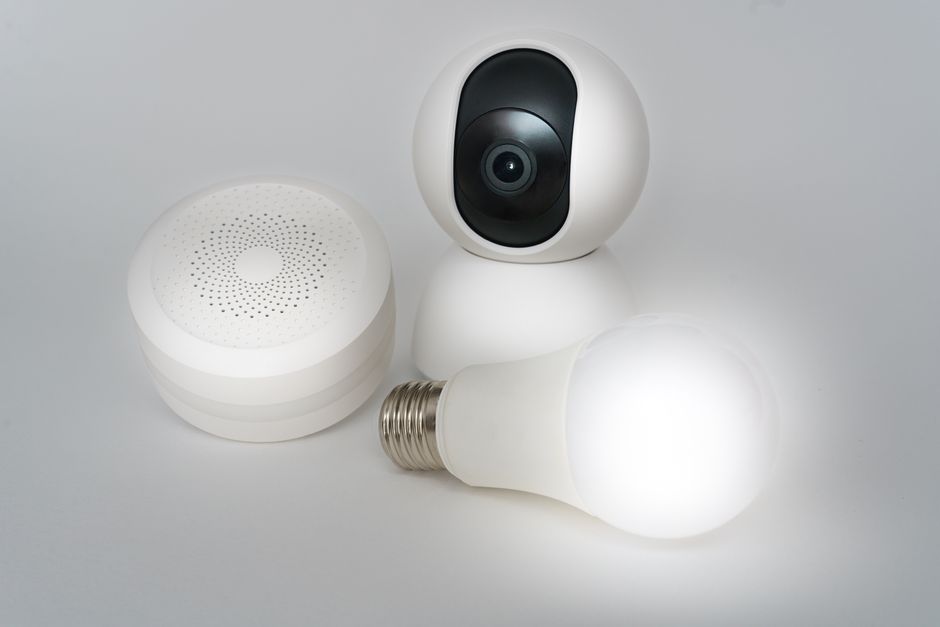
Our homes, once sanctuaries of privacy, are increasingly becoming unwitting participants in the grand data collection scheme, thanks to the proliferation of smart home devices and the Internet of Things (IoT). From voice assistants perched on kitchen counters to smart TVs adorning living room walls and security cameras guarding our doorways, these devices promise convenience and enhanced living, but often come with a hidden cost: they are designed to listen, watch, and collect data about our most intimate spaces and routines. It’s a subtle shift, a gradual erosion of the boundary between public and private, as our personal environments become extensions of the data-harvesting networks operated by tech giants. The comfort of issuing a voice command or checking a live feed often overshadows the disquieting reality that these devices are constantly processing, and often transmitting, information about our lives.
Voice assistants like Amazon's Alexa, Google Assistant, and Apple's Siri are perhaps the most obvious examples of always-on listening devices. While companies claim these devices only "wake up" when they hear a specific command, controversies have revealed that snippets of conversations, sometimes even accidental recordings, are transmitted to cloud servers, and in some cases, reviewed by human contractors. This isn't just about your shopping lists or music preferences; it's about the ambient sounds of your home, the conversations you have, the shows you watch in the background, all potentially being analyzed for patterns, keywords, and even emotional cues. A friend once recounted how after a casual living room conversation about a specific travel destination, he started seeing ads for flights and hotels to that exact location, despite never having typed it into a search engine. This anecdotal evidence, while not definitive proof of direct "eavesdropping," certainly raises valid concerns about the scope of audio data collection and processing that occurs behind the scenes.
Smart TVs are another major culprit in turning our living rooms into data collection hubs. Many modern smart televisions come equipped with Automatic Content Recognition (ACR) technology, which silently identifies what you're watching across all inputs – broadcast TV, streaming services, even Blu-ray players. This viewing data, combined with information about your app usage, IP address, and location, is then sent back to the manufacturer and often sold to third-party data brokers and advertisers. Beyond ACR, some smart TVs include microphones and even cameras, capabilities that, if not properly secured, could be exploited for more direct surveillance. Similarly, smart security cameras, video doorbells (like Ring, owned by Amazon), and even baby monitors, while offering peace of mind, continuously record and upload footage to cloud servers. The privacy policies for these devices often grant broad rights to store, analyze, and even share this footage with law enforcement, sometimes without a warrant, blurring the lines between personal security and pervasive surveillance. The convenience of monitoring your home remotely comes with the unsettling realization that your home itself has become a witness, constantly feeding data into the digital maw.
Location Data's Unseen Leash Tracing Your Every Step
Perhaps one of the most intimate and revealing pieces of information about us is our physical location. Tech giants understand this acutely, which is why location data collection stands as the sixth hidden way they maintain a pervasive watch over our lives. It’s a digital leash, often invisible, that traces our every step, revealing patterns, routines, and even sensitive details about our health, social connections, and personal habits. And here’s the kicker: this data is often collected even when you believe you’ve turned off GPS, demonstrating the sophisticated and multi-layered approaches companies employ to keep tabs on your whereabouts.
While GPS provides the most accurate location data, it's far from the only method. Your smartphone, even with GPS disabled, can still reveal your location through Wi-Fi triangulation, cell tower data, and Bluetooth beacons. Every time your phone connects to a Wi-Fi network or even just scans for available networks, it's broadcasting information that can be used to pinpoint your location with remarkable accuracy. Similarly, your phone is constantly communicating with nearby cell towers, and the signal strength and proximity to multiple towers can be used to triangulate your position. Many apps, even those that seem unrelated to location, will request and often retain permission for "background location tracking," meaning they continue to collect your whereabouts even when you’re not actively using the app. This passive, continuous collection builds a comprehensive history of your movements, allowing companies to infer where you live, where you work, where you shop, and even where you spend your leisure time, creating a remarkably detailed map of your physical life.
The sale and aggregation of this location data are big business. Companies routinely purchase anonymized (or supposedly anonymized) location datasets from app developers and then use advanced analytics to re-identify individuals and track their movements. This data is then sold to advertisers for hyper-local targeting, to urban planners for traffic analysis, and even to hedge funds looking for insights into consumer behavior by observing foot traffic at retail stores. The implications are profound and sometimes chilling. Imagine a political rally where attendees' phone data is collected and later used to identify participants. Or a visit to a sensitive medical clinic being logged and potentially linked to your profile. There have been numerous reports of location data being sold to third parties, revealing visits to places like abortion clinics, religious institutions, and even specific political events, highlighting the deeply personal and potentially compromising nature of this information. Our physical presence in the world is being digitized and commodified, turning our movements into another stream of valuable data for those who seek to profit from our lives. The seemingly innocuous permission granted to an app to access your location can, over time, paint an incredibly intimate portrait of your daily existence, a portrait that is often shared and traded in the shadows of the digital economy.