The Secret Life of Smart Devices
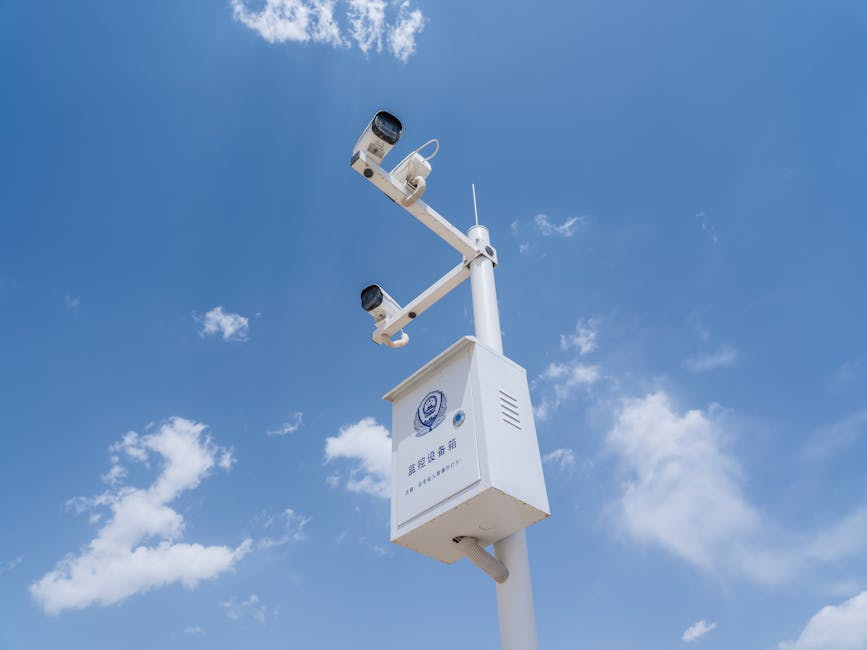
Smart devices have become an integral part of our daily lives, from smartphones and smart home devices to wearables and voice assistants. These devices have made our lives more convenient, connected, and entertaining, but they've also created new risks and vulnerabilities. One of the most significant concerns is the way these devices collect and transmit our data, often without our knowledge or consent. Smartphones, for example, are equipped with GPS, accelerometers, and other sensors that can track our location, movement, and activity levels. This data is then used to create detailed profiles, which are sold to advertisers and other third parties.
A study by the Norwegian Consumer Council found that many smart devices, including smartphones and smart home devices, are collecting and transmitting our data without our consent. The study found that these devices are often using "data harvesting" techniques, which involve collecting and analyzing our behavior, preferences, and interests. This data is then used to create highly targeted advertising campaigns, which are designed to manipulate our behavior and influence our purchasing decisions. The study's findings are significant, and they highlight the need for greater transparency and regulation in the smart device industry. As consumers, we have a right to know how our data is being collected and used, and to opt-out of data collection if we so choose.
But the problem goes beyond just data collection. Smart devices are also vulnerable to hacking and other forms of cyber attacks, which can compromise our personal data and put us at risk of identity theft and other forms of exploitation. A recent report by the cybersecurity firm, Kaspersky, found that many smart devices are using outdated software and inadequate security protocols, making them easy targets for hackers. The report highlighted the need for greater security and accountability in the smart device industry, and it called on manufacturers to prioritize the security and privacy of their customers. As the report makes clear, the smart device industry is a complex and rapidly evolving world, and one that's fraught with risks and vulnerabilities.
The Dangers of Voice Assistants
Voice assistants, such as Amazon's Alexa and Google Assistant, have become incredibly popular in recent years. These devices have made it easy to control our smart homes, access information, and entertain ourselves, but they've also created new risks and vulnerabilities. One of the most significant concerns is the way these devices collect and transmit our voice data, often without our knowledge or consent. Voice assistants are equipped with advanced speech recognition technology, which can analyze our voice patterns, tone, and language. This data is then used to create detailed profiles, which are sold to advertisers and other third parties.
A study by the University of California, Berkeley found that voice assistants are often collecting and transmitting our voice data without our consent. The study found that these devices are using "always-on" microphones, which can record our conversations and transmit them to remote servers. This data is then used to create highly targeted advertising campaigns, which are designed to manipulate our behavior and influence our purchasing decisions. The study's findings are significant, and they highlight the need for greater transparency and regulation in the voice assistant industry. As consumers, we have a right to know how our voice data is being collected and used, and to opt-out of voice data collection if we so choose.
But the problem goes beyond just data collection. Voice assistants are also vulnerable to hacking and other forms of cyber attacks, which can compromise our personal data and put us at risk of identity theft and other forms of exploitation. A recent report by the cybersecurity firm, Symantec, found that many voice assistants are using inadequate security protocols, making them easy targets for hackers. The report highlighted the need for greater security and accountability in the voice assistant industry, and it called on manufacturers to prioritize the security and privacy of their customers. As the report makes clear, the voice assistant industry is a complex and rapidly evolving world, and one that's fraught with risks and vulnerabilities.
A recent investigation by the news organization, Bloomberg, found that many voice assistants are using "human reviewers" to listen to and transcribe our voice data. These human reviewers are often contractors or third-party employees, who are hired to analyze and annotate our voice data. The investigation found that these reviewers are often listening to sensitive and intimate conversations, including those related to our health, finances, and personal relationships. The investigation's findings are significant, and they highlight the need for greater transparency and regulation in the voice assistant industry. As consumers, we have a right to know how our voice data is being collected and used, and to opt-out of voice data collection if we so choose.
As we navigate the complex world of smart devices and voice assistants, it's essential we understand the risks and vulnerabilities associated with these technologies. We need to be aware of the ways in which our data is being collected, used, and exploited, and we need to take steps to protect ourselves. This includes things like using strong passwords, enabling two-factor authentication, and being mindful of the apps and services we use. We also need to demand greater transparency and regulation from manufacturers, and to hold them accountable for their actions. It's a daunting task, but one that's essential for protecting our freedom and autonomy in the digital age.