The Silent Invasion of Smart Devices Your Home Network's Achilles' Heel
Our homes have become veritable smart fortresses, brimming with devices designed to enhance convenience, streamline our lives, and connect us to the broader digital ecosystem. From smart thermostats and light bulbs to security cameras, doorbells, voice assistants, and even internet-connected refrigerators, the Internet of Things (IoT) has woven itself into the fabric of our daily existence. We embrace these gadgets with enthusiasm, marveling at their capabilities, often without pausing to consider the profound cybersecurity implications they introduce. This burgeoning ecosystem of interconnected devices, while undeniably convenient, represents a significant and often overlooked attack surface, acting as a silent invasion that can secretly leave your entire home network, and by extension, your personal data, alarmingly exposed.
The core issue with many IoT devices stems from their design philosophy, which frequently prioritizes rapid deployment, low cost, and user-friendliness over robust security. Unlike traditional computing devices like laptops or smartphones, which typically receive regular security updates and patches, many IoT gadgets are released with minimal security features and often receive little to no ongoing support from manufacturers. They frequently come with hardcoded default passwords that are never changed by users, contain easily exploitable firmware vulnerabilities, and lack basic security controls like encryption for data in transit or at rest. This creates a vast, unpatched, and largely unprotected network of devices, each a potential back door into your home network, waiting to be discovered and exploited by malicious actors.
The Mirai Botnet A Stark Warning from the IoT Underbelly
Perhaps the most chilling demonstration of IoT vulnerability came with the Mirai botnet attack in 2016. Mirai didn't rely on sophisticated exploits or zero-day vulnerabilities; it simply scanned the internet for IoT devices, primarily IP cameras and DVRs, that were still using their factory default usernames and passwords. Once identified, it infected these devices, turning them into an army of zombie computers that could be commanded to launch devastating Distributed Denial of Service (DDoS) attacks. This botnet brought down major websites and internet services, including Twitter, Netflix, and PayPal, by overwhelming them with traffic. The sheer scale and simplicity of the Mirai attack served as a stark, undeniable warning: the collective security of the internet is only as strong as its weakest links, and in many cases, those links are the unassuming smart devices populating our homes.
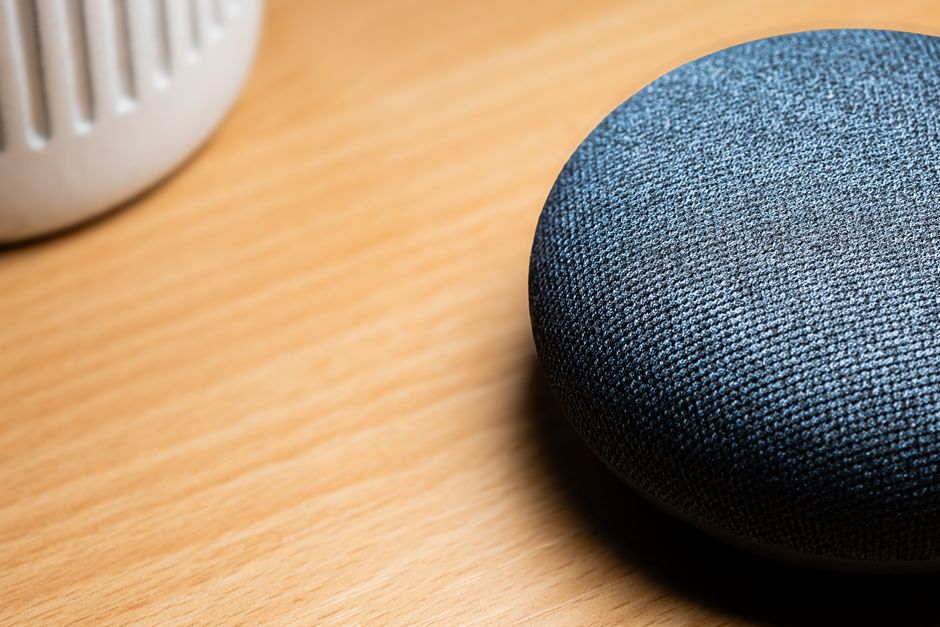
The danger extends beyond just DDoS attacks. Many IoT devices, particularly those with cameras and microphones, collect an enormous amount of personal data. Smart doorbells record who approaches your home, voice assistants listen to your conversations (even if only to respond to wake words), and smart cameras provide a live feed of your interior spaces. If these devices are compromised, attackers gain not only a foothold into your network but also a direct, intimate window into your private life. Imagine a hacker gaining access to your smart camera feed, watching your family's routines, or listening in on sensitive conversations through your smart speaker. The privacy implications are terrifying, turning devices meant for convenience into tools for surveillance and espionage, all facilitated by lax security standards and user complacency.
"The IoT is a security nightmare waiting to happen, or rather, already happening. Every new smart device introduced into a home network is another potential entry point for attackers, often with default credentials and unpatched vulnerabilities. We're trading convenience for a significant increase in our attack surface." - Dr. Evelyn Reed, a leading cybersecurity researcher specializing in IoT security.
Furthermore, compromised IoT devices can serve as pivot points for more sophisticated attacks against other devices on your network. Once an attacker gains control of a single smart light bulb or thermostat, they can use it to scan your internal network for other vulnerabilities, potentially finding weaknesses in your router, computer, or even your smartphone. This lateral movement allows them to bypass the perimeter defenses you might have in place for your computers and directly attack internal systems. It's a classic example of how a seemingly innocuous device, placed without much thought into its security posture, can become the Trojan horse that compromises your entire digital ecosystem, leading to data theft, ransomware, or even physical intrusion if smart locks are involved.
The problem is compounded by the fact that many users are simply unaware of these risks or lack the technical expertise to properly secure their smart devices. The responsibility often falls on the consumer, who is expected to navigate complex router settings, update obscure firmware, and understand network segmentation – tasks far beyond the average user's comfort level. Without industry-wide standards for security-by-design, mandatory updates, and clear user guidance, the "silent invasion" of insecure IoT devices will continue to be a glaring Achilles' heel for home networks, undermining any other cybersecurity efforts you might be making. The convenience these devices offer comes at a steep, often unacknowledged, security cost, making it imperative that we shift our perspective from pure functionality to a balanced understanding of both utility and inherent risk.