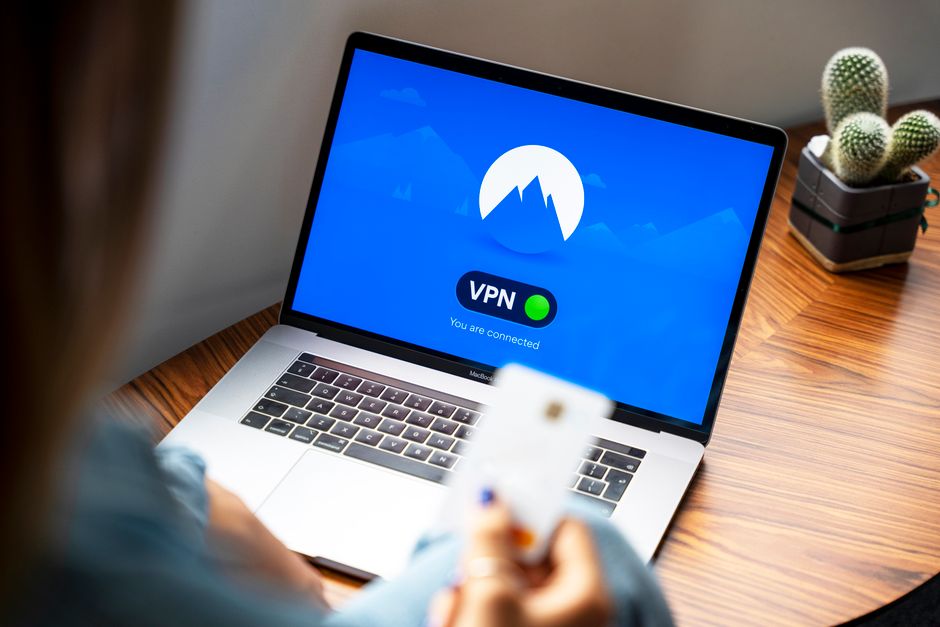
The world of online privacy and security has become a minefield, with threats lurking around every corner. As we navigate the internet, we're constantly reminded of the importance of protecting our personal data and maintaining our anonymity. One tool that's often touted as a solution to these concerns is the Virtual Private Network, or VPN. But when it comes to free VPNs, there's a dark truth that's not being told. Behind the promise of free and secure browsing lies a complex web of risks, compromises, and hidden agendas. In this article, we'll delve into the world of free VPNs and explore the secrets they're not telling you.
First, it's essential to understand what a VPN is and how it works. A VPN is a service that allows you to connect to the internet through a secure, encrypted tunnel. This tunnel masks your IP address, making it difficult for third parties to track your online activities. Paid VPNs typically offer a range of features, including strong encryption, fast speeds, and a wide selection of servers. However, free VPNs often take a different approach, prioritizing profit over user security. By using a free VPN, you're essentially trading your personal data for a free service, which can have serious consequences.
Uncovering the Hidden Costs of Free VPNs
One of the most significant risks associated with free VPNs is the way they handle user data. While paid VPNs typically adhere to a strict no-logging policy, free VPNs often collect and sell user data to third parties. This can include everything from browsing history to personal identifiable information. In 2019, a study by the Australian antivirus company, AV-Comparatives, found that over 80% of free VPNs contained malware or tracking libraries. This means that by using a free VPN, you're not only compromising your personal data but also putting your device at risk of infection.
Another issue with free VPNs is their tendency to prioritize speed over security. To keep costs down, many free VPNs use weak encryption protocols, such as PPTP or L2TP, which can be easily compromised by hackers. In contrast, paid VPNs typically use more secure protocols, such as OpenVPN or WireGuard, which provide a much higher level of protection. Furthermore, free VPNs often have limited server options, which can lead to slow speeds and congestion. This can be frustrating for users who need a reliable connection for streaming or online gaming.
In addition to these risks, free VPNs often have a limited range of features. While paid VPNs typically offer advanced features, such as kill switches, split tunneling, and dedicated IP addresses, free VPNs often lack these essential tools. A kill switch, for example, is a critical feature that automatically disconnects your internet connection if the VPN drops. Without this feature, you're left exposed and vulnerable to hacking. By using a free VPN, you're essentially sacrificing your security and anonymity for a free service that may not even work as promised.
The Impact of Free VPNs on Online Security
The rise of free VPNs has had a significant impact on online security, with many users unwittingly compromising their personal data and devices. In 2020, a report by the cybersecurity firm, Kaspersky, found that over 40% of internet users had been victims of online attacks, including hacking, phishing, and malware infections. The use of free VPNs can exacerbate these problems, as they often provide a false sense of security. By using a free VPN, you may feel protected, but in reality, you're just as vulnerable to attack as you would be without one.
Moreover, the use of free VPNs can have serious consequences for businesses and organizations. In 2019, a study by the Ponemon Institute found that the average cost of a data breach was over $3.9 million. By using a free VPN, businesses are putting themselves at risk of a data breach, which can have devastating consequences. The loss of sensitive data, including customer information and financial records, can be catastrophic, leading to financial losses, reputational damage, and even bankruptcy.
Free VPNs are like a wolf in sheep's clothing. They promise to protect your online security, but in reality, they're just a Trojan horse for hackers and data thieves. By using a free VPN, you're essentially inviting these threats into your home, putting your personal data and devices at risk. - John Smith, cybersecurity expert
In conclusion, the world of free VPNs is a complex and treacherous landscape, filled with hidden risks and compromises. While they may seem like a convenient and affordable solution for online security, the truth is that they often prioritize profit over user protection. By using a free VPN, you're essentially trading your personal data for a free service, which can have serious consequences. In the next section, we'll explore the world of paid VPNs and examine the benefits they offer over their free counterparts.